
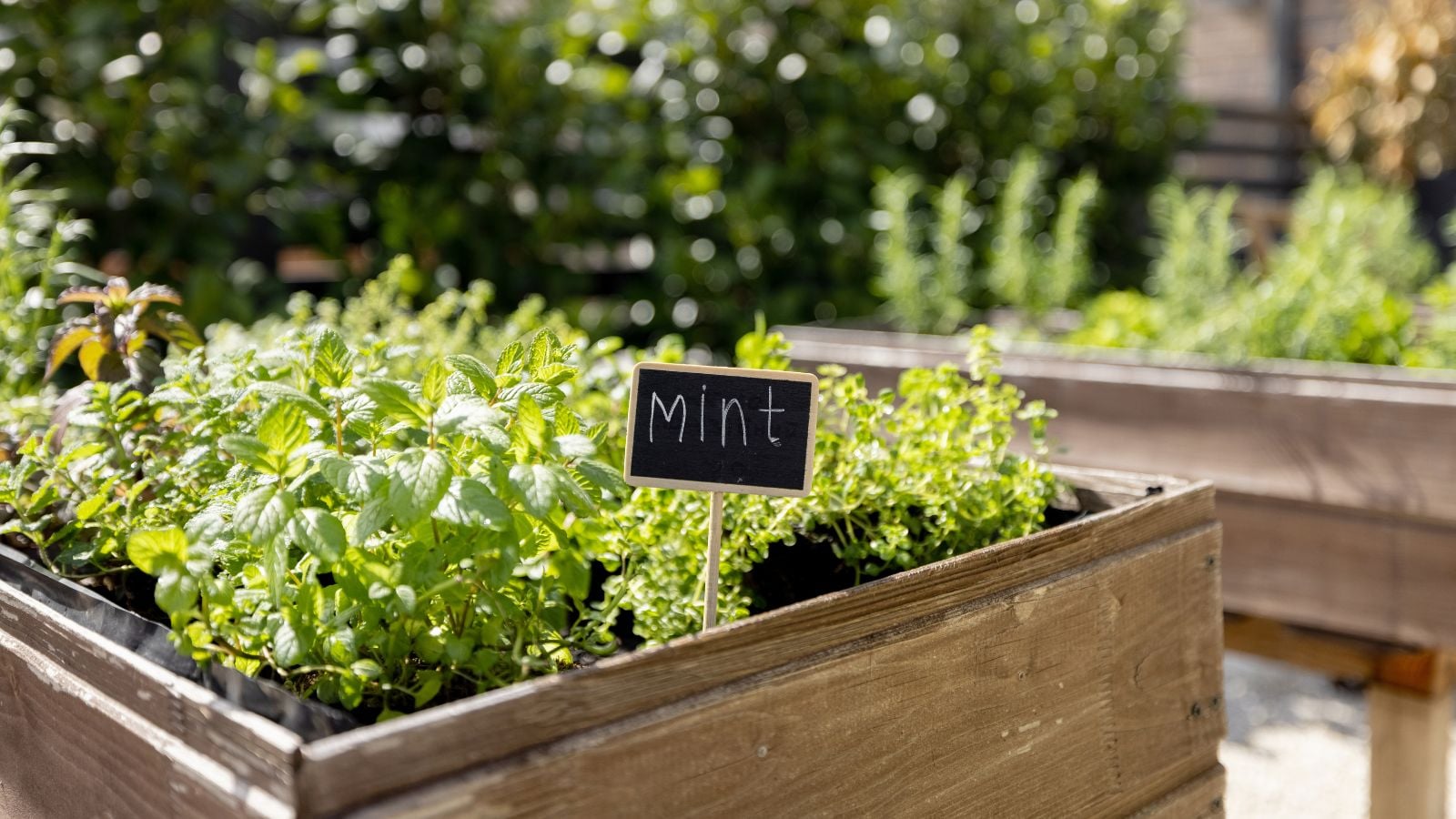
My first in-ground herb garden turned into a small swamp every time it rained. The soil stayed heavy, roots looked unhappy, and I spent more time bailing water than harvesting anything useful.
The moment I switched to a raised bed, everything changed. Drainage improved, weeds became easier to manage, and my herbs finally looked like they wanted to be there.
If you are wondering how to build a medicinal herb garden raised bed, this guide walks through depth, soil, layout, plant choices, watering, and harvesting. It also covers how a curated seed collection can help you fill a new bed without guessing which herbs to buy first.
One quick note before we start: a raised bed medicinal garden is a gardening and educational project. It is not a substitute for a doctor, a pharmacist, or prescribed medication, so keep that in mind as you plan what to grow and how you plan to use it.
How Deep Should a Medicinal Herb Garden Raised Bed Be?
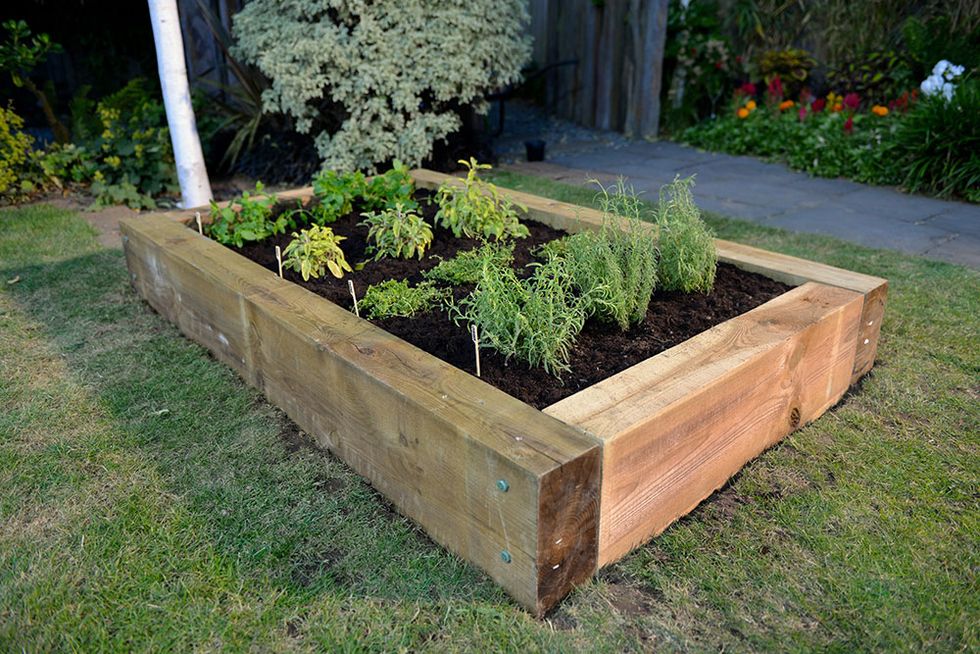
This is probably the question I get asked the most, and it makes sense. Nobody wants to build a bed, fill it with soil, and then discover it was too shallow for half the plants.
The good news is that most medicinal herbs are shallow-rooted, so you do not need a deep box. According to Texas A&M AgriLife Extension, a raised bed does not have to be very deep to be effective, and 8 to 12 inches is usually adequate for most garden plants, with deeper beds reserved for plants that need extra room or drier soil.
For herbs specifically, depth needs vary a bit by plant:
- Shallow-rooted herbs (chamomile, mint, calendula, feverfew): 6–8 inches of soil.
- Medium-rooted herbs (lavender, yarrow, echinacea): 10–12 inches of soil.
- Deeper-rooted herbs (chicory, marshmallow): 12–18 inches of soil.
One Australian garden retailer notes that herbs generally have shallow root systems, so a bed 6 to 12 inches deep is usually sufficient, though larger herbs may want a deeper container.
My honest recommendation? Build one bed at 12 inches deep. It’s a nice compromise, meaning you don’t need three different bed heights just to grow ten herbs, and it gives your deeper-rooted plants room to stretch out.
Choosing the Best Location for a Raised Bed Medicinal Garden

Before you hammer a single nail, walk your yard and just watch it for a day. Seriously, this step gets skipped constantly and it’s the reason so many raised beds end up in the wrong spot.
Most medicinal herbs want a lot of sun. Texas A&M Extension advises that beds intended for herbs, vegetables, and sun-loving ornamentals should be located where they get full sun, or at minimum morning sun if afternoon shade is unavoidable.
Here’s what I look for now before placing a bed:
- A spot that gets six or more hours of sunlight.
- No low areas where water tends to pool after rain.
- Close enough to a hose or spigot that watering isn’t a chore.
- At least 18 to 24 inches of path space around the bed for easy access.
- A location that’s convenient to the kitchen, so you actually go out and harvest.
I also learned the hard way to avoid placing beds where roof runoff dumps water directly onto the soil. My second bed sat under a gutter downspout for one season, and it was basically a rain barrel with plants in it.
Building and Filling a Raised Bed for Medicinal Herbs

You’ve got options here—untreated wood, metal panels, composite boards, or even stacked stone. I went with untreated cedar for my first bed because it resists rot without needing chemical treatment.
A standard size that works well for most backyards is 4 feet wide by 8 feet long. The 4-foot width matters more than people realize: it lets you reach the center of the bed from either side without stepping on the soil and compacting it.
Before filling the bed, prep the ground underneath:
- Remove existing sod and weeds.
- Lay cardboard or a weed barrier to help block grass from creeping in.
- Skip the gravel layer at the bottom—beds sitting on native soil drain into the ground below and don’t need it.
- Add drainage holes if the bed will sit on concrete, pavers, or a patio, since there’s no soil underneath to absorb extra water.
For the soil mix itself, Texas A&M Extension recommends a topsoil and compost blend, with common ratios ranging from three-fourths topsoil and one-fourth compost, to a 50/50 split. I usually land somewhere in the middle—roughly 60% quality topsoil and 40% compost, sometimes adding coarse sand or perlite if I’m growing lavender or another herb that hates wet feet.
One mistake I made early on: I used straight potting mix to fill an entire 4×8 bed. It got expensive fast, and it wasn’t really necessary for a bed this size. Topsoil-compost blends are much more budget-friendly for large volumes.
Designing a Medicinal Herb Garden Layout in Raised Beds

Layout is where a lot of the frustration in gardening either gets solved or gets created. Group plants with similar needs and life gets so much easier.
Texas A&M Extension suggests placing perennials and permanent plants toward the rear of a bed where they’ll be least disturbed, while annuals go along the edges where they’re easy to reach and replace.
For a medicinal herb raised bed, I follow roughly this pattern:
- Back row: echinacea, chicory, marshmallow (taller, deeper-rooted perennials).
- Middle row: yarrow, feverfew, lavender.
- Front row: calendula, chamomile (shorter annuals, easy to reach).
- Separate bed or root barrier: mint, lemon balm.
That last point is non-negotiable in my garden now. I planted mint directly in a shared bed once, and by midsummer it had wandered into the lavender’s territory like an uninvited houseguest. Give spreaders their own space or a sunken barrier pot.
The Best Medicinal Herbs to Grow in a Raised Bed

Not every herb behaves the same way in a raised bed, so here’s a quick rundown of what worked for me and what to expect from each one.
- Calendula — shallow roots, full sun, one of the easiest herbs for a first raised bed.
- Chamomile — shallow roots, prefers loose soil that drains well and doesn’t stay soggy.
- Lavender — needs excellent drainage; a raised bed solves the wet-soil problems that kill lavender in heavy ground.
- Echinacea — medium root depth, slow to establish, needs a permanent spot it won’t be moved from.
- Yarrow — hardy and tolerant of drier raised-bed conditions once it’s established.
- Feverfew — compact and works well along the bed’s edge.
- Marshmallow — needs deeper soil, ideally 12–18 inches, plus consistent moisture.
- Chicory — deep taproot, needs loose soil and benefits from a deeper bed section.
- Mint and lemon balm — best confined to a separate bed or contained with a root barrier.
Traditional herbal uses for these plants are well documented, but none of them should be treated as a replacement for medical treatment, professional diagnosis, or prescribed medication. Research safety, interactions, and correct identification before using anything internally or topically.
Watering and Maintaining a Raised Bed Herb Garden

Raised beds dry out faster than in-ground gardens. This surprised me the first summer, since I assumed “raised” just meant “fancier,” not “thirstier.”
Texas A&M Extension recommends irrigating when needed and letting the top inch of soil dry out between waterings, which is a solid general rule for herbs too.
My maintenance routine now looks like this:
- Check soil moisture with a finger test every couple of days.
- Water deeply rather than giving frequent shallow sprinkles.
- Add 2–3 inches of mulch to reduce evaporation and suppress weeds.
- Avoid heavy fertilizing—herbs often do better with moderate soil richness.
- Pull weeds while they’re small, since raised beds can still catch wind-blown or bird-dropped seeds.
Drip irrigation or a soaker hose is worth considering if you’re tired of hand watering. It’s more consistent, and it keeps water off the foliage, which helps prevent fungal issues in humid climates.
Harvesting Herbs From Your Raised Bed Garden

Harvest on dry mornings, once the dew has burned off but before the heat of the day sets in. This isn’t just tradition, it genuinely affects how the plant handles the stress of being cut.
A few habits that keep my raised bed productive all season:
- Cut cleanly above a leaf node using sharp, clean scissors.
- Leave enough foliage on each plant so it can recover and keep growing.
- Rotate which section of the bed you harvest from so no single plant gets stripped repeatedly.
- Dry herbs fully in a shaded, ventilated space before storing them in airtight jars.
I’ll admit, I used to harvest way too much from young echinacea plants because I was excited they’d finally flowered. Lesson learned: patience with perennials pays off in year two and three.
Should You Use a Medicinal Garden Kit for Your Raised Bed?

Once your bed is built and filled, the next question is what to actually plant in it. This is where a curated seed collection can save a lot of research time.
The Medicinal Garden Kit product page lists 10 herb varieties included in the collection: calendula, chamomile, lavender, echinacea, yarrow, feverfew, marshmallow, chicory, evening primrose, and California poppy. The page also states the kit includes non-GMO seeds and a digital guide.
Conveniently, these herbs map almost perfectly onto the raised-bed layout described earlier—shallow-rooted plants like chamomile and calendula up front, deeper-rooted herbs like chicory and marshmallow toward the back where the bed is deepest.
If you’d rather not buy ten separate seed packets and cross-reference growing charts for each one, a kit like this removes some of that friction. Just confirm current pricing, availability, and exact contents on the product page before ordering, since offerings can be updated over time.
For a deeper breakdown of what’s included and whether it’s worth it, check out this Medicinal Garden Kit review.
Common Mistakes to Avoid in a Raised Bed Medicinal Garden

Most of the raised-bed problems I’ve run into were completely avoidable, in hindsight. A little planning up front saves a lot of frustration in July.
- Building the bed too shallow for deeper-rooted herbs like chicory or marshmallow.
- Skipping site observation and placing the bed in a shady or low-lying spot.
- Adding a gravel drainage layer that isn’t necessary and just wastes bed depth.
- Planting mint or lemon balm directly with other herbs instead of isolating them.
- Overwatering on a fixed schedule instead of checking actual soil moisture.
- Forgetting mulch, which leads to faster drying and more weeding.
- Harvesting too aggressively from young perennials before they’ve established.
None of these mistakes ruin a garden permanently. They’re just the kind of thing you fix once and then never repeat, because trust me, you won’t want to.
Start Your Raised Bed Medicinal Garden This Season
Raised beds solve the drainage and soil-quality problems that make medicinal herb gardening frustrating in native soil. Get the depth right for what you’re growing—6 to 8 inches for shallow herbs, 12 to 18 inches for deeper-rooted plants like chicory and marshmallow—and most of the hard work is already done.
Group herbs by light and water needs, isolate the spreaders, water deeply instead of often, and harvest with a little restraint. Do that, and your raised bed will reward you for years.
If you’re ready to fill that new bed, you can check out the Medicinal Garden Kit here for a beginner-friendly starting collection, or read the full Medicinal Garden Kit review first if you want more detail before deciding.
Your first raised bed doesn’t need to be perfect. Mine certainly wasn’t, and it still gave me calendula blooms, a happy patch of chamomile, and a mint container that finally stayed exactly where I put it.