
Not every garden has endless sun, but that doesn’t mean you can’t grow a thriving medicinal herb patch.
Even a shady corner can become a mini apothecary with the right medicinal herbs for shade. [1]
Many gardeners have partially shaded yards, patios, or north-facing beds but still want homegrown herbs for tea and simple remedies.
In this guide, you’ll learn about 12 medicinal herbs that grow well in partial shade, including plant profiles, care tips, harvesting ideas, and layout suggestions.
Homemade herbal preparations are intended for general wellness and self-care, not as a replacement for medical diagnosis or treatment.
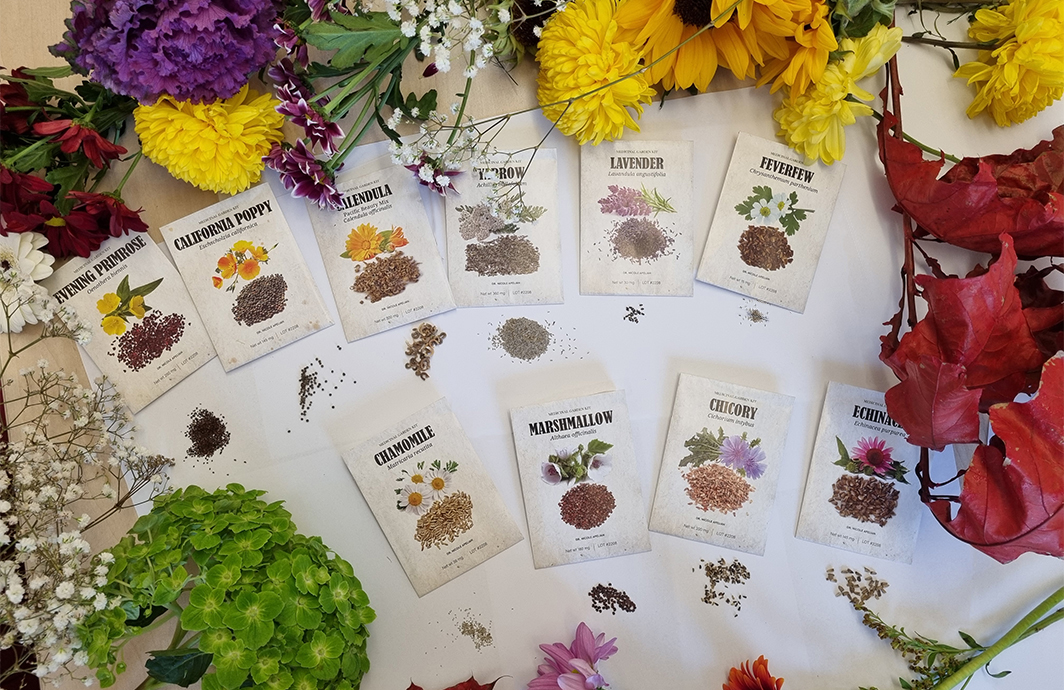
Gardeners who want a curated starting point may explore the Medicinal Garden Kit, which includes several herbs that can tolerate some shade. [1]
Why Grow Medicinal Herbs in Partial Shade?
Partial shade typically means around 3–6 hours of direct sun, often morning or late afternoon. Protection from intense midday heat is a big plus.
Growing medicinal herbs in partial shade has real benefits. Cooler conditions can reduce heat stress and water needs.
Some herbs actually prefer or tolerate shade better than full sun. Shady spots under trees or along fences can be put to good use.
For busy gardeners, this means less frequent watering in many cases. Reduced scorching or bolting in hot climates is another win.
Shady herb beds can support different pollinators and beneficial insects. Herbs can fill in underused areas and reduce bare soil.
Not all medicinal herbs thrive in shade though. Some still need full sun for best growth and potency. Choosing the right plants is key.
The Medicinal Garden Kit includes a mix of herbs, some of which can handle partial shade with proper siting. [1]
For a closer look at what’s included, read our full Medicinal Garden Kit review.
- Partial shade means 3–6 hours of direct sun, often morning or late afternoon.
- Cooler conditions reduce heat stress and water needs.
- Some herbs prefer or tolerate shade better than full sun.
- Shady beds can support pollinators and fill underused areas.
- Choosing the right plants is key for success in shade.
12 Medicinal Herbs for Shade: Plant Profiles and Care Tips

Here are 12 medicinal herbs that grow well in partial shade. Each has its own strengths and care level.
Lemon balm is a vigorous grower. Citrus-scented leaves are great for calming teas and infusions. It tolerates partial shade well.
Mint (various types) is a fast-spreading perennial. Best grown in containers to control growth; leaves are used for digestive teas. Thrives in partial shade.
Roman chamomile is a low-growing perennial ground cover. Gentle flowers are perfect for evening tea rituals. Handles light shade.
Chicory is a hardy perennial. Leaves and roots are used traditionally. Tolerates partial shade.
Sweet woodruff is a shade-loving ground cover. Traditional herb for aromatic uses. Prefers cooler, shadier spots.
Violet (sweet violet) is a low-growing perennial. Leaves and flowers are used in traditional preparations. Likes partial shade.
Feverfew is a daisy-like perennial. Traditional herb for headache and wellness support. Can handle some shade.
Yarrow is tough and adaptable. Traditional herb for topical and wellness teas. Tolerates light shade.
Comfrey is a large, robust perennial. Leaves are used traditionally for topical preparations. Thrives in partial shade.
Lovage is a tall perennial with celery-like flavor. Leaves and seeds are used in culinary and traditional ways. Tolerates partial shade.
Angelica is a biennial or short-lived perennial. Roots and stems are used traditionally. Prefers cooler, partially shaded sites.
Goldenrod is a hardy perennial. Traditional respiratory and wellness herb. Can grow in partial shade.
Several of these herbs are included in the Medicinal Garden Kit, such as lemon balm, chamomile, chicory, feverfew, and yarrow. [1]
Sun requirements can vary by climate. What counts as “partial shade” in one region may differ in another.
- Lemon balm: vigorous grower with citrus-scented leaves.
- Mint: fast-spreading; best in containers for shade gardens.
- Roman chamomile: low-growing perennial for gentle teas.
- Chicory: hardy perennial with traditional leaf and root uses.
- Sweet woodruff: shade-loving ground cover for aromatic uses.
Growing Conditions and Care Tips for Medicinal Herbs in Shade

Most shade-tolerant medicinal herbs prefer partial shade with some direct sun, ideally morning light. Well-draining soil is a must to prevent root rot.
Moderate fertility is best. Overly rich soil can encourage leggy growth.
Shaded soil may stay moist longer, so avoid overwatering. Water deeply but less frequently once plants are established.
Watch for signs of too much moisture, like yellowing leaves. I lost a plant to soggy soil once—lesson learned.
Amend heavy clay with compost or coarse sand. Use light mulch to retain moisture and suppress weeds.
Keep mulch away from plant stems to prevent rot. Trim back leggy growth to encourage bushier plants.
Remove dead or damaged stems in early spring. Divide overcrowded clumps every few years to rejuvenate plants.
Shady, damp conditions can encourage slugs and fungal issues. Improve airflow and avoid overcrowding.
Use gentle, garden-appropriate pest management methods. The guide included with the Medicinal Garden Kit is promoted as covering cultivation and home preparations for its 10 herbs, helping beginners plan care routines. [1]
- Plant in partial shade with some direct morning sun.
- Use well-draining soil; amend heavy clay if needed.
- Water deeply but less frequently; avoid overwatering.
- Trim leggy growth and divide clumps every few years.
- Improve airflow to reduce slugs and fungal issues.
Harvesting and Using Shade-Tolerant Medicinal Herbs at Home

Harvest leaves before flowering for peak flavor and aroma. Harvest flowers when fully open but before they start to fade.
Harvest roots from mature plants in fall, when energy is stored underground. I wait until after the first frost for best results.
Air-dry in a warm, dry, shaded area with good airflow. Use low-heat dehydrators for thicker plant parts like roots.
Store dried herbs in airtight glass jars away from heat and light. Label jars with herb name and harvest date.
Make teas and infusions from leaves and flowers. Try tinctures for long-term storage.
Use dried lemon balm or chamomile in sachets and pillows. Simple topical preparations like infused oils and salves work well for external use.
Patch-test new ingredients if using in skin-care projects. Avoid using herbs if you have known plant allergies; consult a qualified healthcare professional for health concerns.
Keep dried herbs away from moisture to help preserve quality. The Medicinal Garden Kit’s included guide is promoted as covering methods for turning its herbs into preparations such as teas, infusions, tinctures, oils, salves, and poultices. [1]
- Harvest leaves before flowering for best flavor.
- Pick flowers when fully open, before fading.
- Harvest roots from mature plants in fall.
- Air-dry or use low-heat dehydrator for drying.
- Store in airtight jars away from heat and light.
Designing a Medicinal Herb Garden for Partial Shade

Group herbs with similar light and water needs together. Place frequently harvested herbs near paths or the kitchen.
Use edging and clear paths to make harvesting easy. Raised beds work well for better drainage in shady areas.
Use containers for aggressive growers like mint. Vertical layers with taller herbs (lovage, angelica) behind shorter ones (violet, chamomile) work well.
Try a “shady tea garden” with lemon balm, mint, Roman chamomile, and violet. A “woodland medicinal” bed with sweet woodruff, comfrey, and goldenrod is another option.
A “culinary-medicinal” corner with lovage, angelica, and chicory is practical. Allow room for perennial plants to reach mature size.
Plan for succession with annual medicinal herbs in brighter spots. Keep a simple garden journal to track planting, harvest, and preparation dates.
The Medicinal Garden Kit provides a mix of seeds that can form the backbone of a small but diverse medicinal garden, with some herbs that tolerate partial shade. [1]
See whether the collection suits your garden goals in this detailed Medicinal Garden Kit review.
- Group herbs by light and water needs for easier care.
- Place frequently harvested herbs near paths or kitchen.
- Use raised beds and containers for better control.
- Plan thematic beds like shady tea or woodland medicinal.
- Keep a garden journal to track progress and harvests.
Common Mistakes to Avoid with Medicinal Herbs in Shade

Planting sun-loving herbs in deep shade leads to weak, leggy growth. Overwatering because shaded soil stays moist longer is a common error.
Failing to give aggressive growers like mint their own containers causes problems. Over-harvesting young plants before they’re established weakens them.
Ignoring pruning leads to sparse, less productive plants. I learned this after my lemon balm got too leggy.
Track how many hours of direct sun each spot actually gets. Adjust plant choices based on real conditions, not assumptions.
Assuming all “medicinal” herbs are safe for internal use without research is risky. Mixing up sun and shade requirements for similar-looking plants causes confusion.
Choosing the right plant for the right place matters. Match herbs to your climate, time, and harvest goals.
A well-structured starter kit and guide can help avoid some of these pitfalls by providing clear planting and care instructions. [1]
- Avoid planting sun-loving herbs in deep shade.
- Don’t overwater just because soil stays moist longer.
- Grow mint in containers to control spreading.
- Don’t over-harvest young plants in their first year.
- Prune regularly to maintain bushy, productive growth.
Conclusion
Medicinal herbs for shade can turn underused, partially shaded areas into productive mini apothecaries.
Partial shade can be ideal for many medicinal herbs, especially in hot climates. Top picks include lemon balm, mint, Roman chamomile, chicory, sweet woodruff, violet, feverfew, yarrow, comfrey, lovage, angelica, and goldenrod.
Proper site selection, sensible watering, and basic pruning keep plants healthy and productive. Thoughtful harvesting, drying, and simple preparations turn garden plants into a practical home apothecary.
You don’t need a sprawling sunny yard to grow your own remedies. A shady corner, a few well-chosen herbs, and a bit of patience can be enough to start.
Readers ready to create a larger medicinal herb garden can explore the Medicinal Garden Kit and read the complete Medicinal Garden Kit review before choosing their seeds. [1]
Sources and Further Reading
- Medicinal Garden Kit – Product page with seed varieties and guide details. [1]
- Medicinal Garden Kit Review – In-depth review of the kit’s contents and features.
- Partial shade – Wikipedia – General information on light conditions for gardening.
- Mount Sinai Health Library – Herbs – Overview of various medicinal herbs and their traditional uses.
- University of Minnesota Extension – Growing Herbs – Practical growing tips for home herb gardens.