
What Makes a Medicinal Herb Easy to Grow?

The easiest medicinal herbs to grow are not necessarily the ones with the most impressive labels. They are the plants that match your sunlight, soil, climate, garden size, and willingness to keep up with basic care.
For example, lavender may be easy in a sunny, dry garden but difficult in heavy, wet soil. Mint can grow vigorously for almost anyone, but controlling it is another story entirely.
Before buying seeds, I look at several practical traits:
- How much sunlight the herb needs.
- Whether it prefers dry or consistently moist soil.
- Whether it can grow successfully in a container.
- How large the mature plant becomes.
- Whether it spreads aggressively.
- How quickly it germinates.
- Whether it is an annual, biennial, or perennial.
- How easy it is to identify correctly.
- Which plant parts are harvested.
- Whether it has important safety cautions.
Most herbs grow best in well-drained soil and several hours of direct sunlight. The University of Minnesota Extension recommends well-drained soil and notes that many herbs perform best with at least six hours of direct sunlight.
Keep the first garden modest. Five to 10 herbs are enough to learn how to plant, water, harvest, dry, and store your crop without creating a backyard mystery zone.
1. Calendula: A Bright Starter Herb

Calendula is one of the most encouraging herbs for a beginner because the flowers are bright, easy to notice, and useful in several garden projects. Yellow and orange blooms can make a small backyard pharmacy feel cheerful rather than overly serious.
Calendula can be grown in raised beds, borders, or containers. It generally prefers good light and soil that drains well, although local climate and variety still matter.
For healthy calendula, focus on these basics:
- Choose a sunny location when possible.
- Leave enough space for air movement.
- Water when the soil begins to dry.
- Avoid keeping the roots constantly wet.
- Remove faded flowers to encourage more blooms.
- Harvest flowers on a dry day.
- Dry flowers fully before storing them.
Calendula flowers are traditionally used in topical preparations such as infused oils and salves. That does not mean every calendula product is safe for every skin problem.
I would not apply homemade preparations to deep wounds, infected areas, serious burns, or unexplained rashes without professional guidance. A small patch test is sensible, especially for people who react to daisy-family plants.
Calendula is also valuable as a pollinator-friendly flower. That combination—beauty, beginner-friendly growth, and traditional topical use—is why it earns a place near the front of a small medicinal garden.
2. Chamomile: A Classic Herb for Tea Gardens

Chamomile is a natural choice for anyone who wants to create a small herbal tea garden. The flowers are delicate, fragrant, and attractive enough to grow alongside ornamental plants.
Check the botanical name before buying seeds because German chamomile and Roman chamomile have different growth habits. This is one reason labels matter more than I once thought.
When growing chamomile:
- Choose a location with suitable sunlight.
- Use loose, well-drained soil.
- Avoid burying tiny seeds too deeply.
- Keep the seed-starting surface evenly moist.
- Thin crowded seedlings once they are established.
- Harvest flowers when they are fresh and open.
- Dry flowers in a shaded, well-ventilated space.
A shallow basket is helpful during harvest because chamomile flowers are fragile. When placed in a deep container, the bottom flowers can become crushed and damp. Not a great recipe for storage.
Chamomile is traditionally used as a tea and aromatic herb. People with allergies to ragweed or related plants may need extra caution, and anyone taking medication should check for possible interactions before regular use.
For plant-specific information, the NCCIH Herbs at a Glance database provides information about selected herbs, possible effects, side effects, and cautions.
3. Lavender: A Sunny Herb That Dislikes Wet Soil

Lavender brings fragrance, flowers, and structure to a small medicinal herb garden. It can grow well in a sunny raised bed or a large container, provided the roots are not left sitting in wet soil.
My early lavender mistake was simple: I watered it whenever I watered the other herbs. The nearby plants looked happy, but lavender slowly became unhappy. Eventually, it was clear that the plant needed better drainage, not more attention.
Good lavender care includes:
- At least several hours of suitable sunlight.
- A pot with drainage holes if grown in a container.
- Loose, well-drained soil.
- Less frequent watering than moisture-loving herbs.
- Light pruning after flowering.
- Harvesting flower stems before they become faded.
- Drying small bundles in a dark, ventilated area.
Dried lavender can be used in sachets, fragrance projects, bath products, and household crafts. Those uses are different from claims about concentrated lavender oils or extracts treating a medical condition.
Place lavender where you can enjoy its scent, but leave enough room for mature growth. It should be part of the garden, not squeezed into a narrow gap between three larger plants.
4. Lemon Balm: Fragrant and Fast-Growing

Lemon balm is one of the easiest medicinal herbs to grow if you like fresh citrus scents. Rub a leaf between your fingers and the aroma is released almost immediately.
It is also a vigorous plant. In a small backyard garden, growing lemon balm in a container can prevent it from crowding slower herbs.
To grow lemon balm successfully:
- Provide sunlight or suitable partial shade.
- Use soil that holds some moisture but drains well.
- Pinch the growing tips to encourage bushier growth.
- Harvest leaves once the plant has enough foliage to recover.
- Dry leaves in loose layers with good airflow.
- Keep the plant in a pot if you want to limit spreading.
- Cut back old growth when the plant becomes crowded.
Lemon balm is often grown for traditional tea and aromatic use. It should not be described as a guaranteed treatment for anxiety, sleep problems, thyroid conditions, or digestive disease.
My favorite place for a lemon balm container is near the kitchen door. That way, harvesting a few leaves takes seconds instead of turning into a full gardening event.
Before drinking herbal preparations regularly, especially while taking medicine, check a trusted source or ask a healthcare professional.
5. Mint: Easy to Grow, Hard to Contain

Mint may be the easiest herb on this list to grow. Unfortunately, it may also be the most determined to occupy every available inch of soil.
For a small medicinal herb garden, grow mint in its own container. Choose a pot with drainage holes, use quality potting mix, and keep the plant separate from slower-growing herbs.
Mint care is straightforward:
- Provide suitable sunlight or light shade.
- Keep the soil evenly moist but not waterlogged.
- Harvest stems regularly to encourage fresh growth.
- Pinch leggy stems back above a leaf pair.
- Label different varieties clearly.
- Trim flowers if your main goal is leaf harvest.
- Check the pot for roots escaping through drainage holes.
Mint leaves are commonly used in cooking, drinks, and traditional herbal teas. The exact safety profile can vary by species, preparation, and personal health factors.
Here is my small-space rule: if you want mint in three areas, use three pots. It is much easier than trying to remove mint from three garden beds later.
6. Echinacea: A Pollinator-Friendly Perennial

Echinacea is a good choice if you want a flowering perennial that also supports pollinators. Its flowers bring height and color to a small garden without needing a complicated design.
When grown from seed, echinacea may take longer to establish than calendula or chamomile. I used to see slow growth and assume something was wrong, but perennial herbs often need time to build roots.
Give echinacea:
- A sunny location.
- Well-drained soil.
- Enough space for mature leaves and flowers.
- A permanent location where it can remain undisturbed.
- Time to establish before heavy harvesting.
You can remove faded flowers to encourage additional blooms, or leave some seed heads for birds and possible natural reseeding. Either approach can work, depending on the garden.
Echinacea is often promoted in discussions about immune health, but readers should not be told that it prevents or cures infections. Evidence, preparations, doses, and individual risks can differ.
People with allergies or those taking medication should seek professional advice before using echinacea internally.
7. Yarrow: A Hardy Herb for Sunny Beds

Yarrow has feathery foliage and small flower clusters that give a medicinal garden a soft, natural look. It is often a good fit for sunny beds and gardeners who prefer relatively low-maintenance perennial plants.
Once established, yarrow can tolerate fairly dry conditions. It may also spread in a favorable location, so provide room or use a container if your garden is very compact.
Yarrow is a useful choice for:
- Sunny raised beds.
- Pollinator-friendly borders.
- Dryer garden zones.
- Low-maintenance planting areas.
- Dried flower and herb projects.
Harvest flowers and leaves in dry weather, then dry them in loose bundles or on a clean screen. Store the dried plant material in a labeled container.
Yarrow has a long history of traditional use, but it should not be promoted as a replacement for emergency first aid. Serious bleeding, deep wounds, burns, or suspected infection require proper medical care.
Skin sensitivity and allergies are possible, so research the herb before using it internally or applying it to the skin.
8. Feverfew: A Compact Herb With Important Cautions

Feverfew has small daisy-like flowers and compact foliage, making it suitable for a container or raised-bed corner. It is visually pleasant without demanding a huge amount of space.
It is often discussed in relation to headaches and inflammation, but those claims need careful wording. An article should never encourage readers to replace medical migraine care with homemade feverfew products.
Feverfew-growing basics include:
- Use soil that drains well.
- Provide suitable sunlight.
- Thin seedlings so plants have airflow.
- Pinch tall stems if the plant becomes leggy.
- Remove faded blooms if you want to limit self-seeding.
- Harvest only healthy, correctly identified plant material.
Extra caution is needed for people who take blood-thinning medication, have plant allergies, are pregnant, or are breastfeeding.
This is a good reminder that **easy to grow** does not mean **safe for everyone**. Gardening difficulty and health risk are two different questions.
9. Marshmallow: A Taller Herb for Deep Containers

Marshmallow is a plant, not the soft candy sold at a campfire. It can grow into a tall flowering herb, so it needs more space than chamomile, calendula, or feverfew.
A deep container or raised bed is usually more suitable than a shallow pot. Place it where it will not shade smaller plants as it matures.
When growing marshmallow:
- Choose a location with sunlight or appropriate partial shade.
- Use soil that drains well but does not dry instantly.
- Allow enough room for mature height.
- Keep soil moderately moist while the plant establishes.
- Label the plant clearly.
- Research leaf, flower, and root harvesting separately.
Marshmallow has a traditional history in herbal preparations because of its mucilage-rich plant material. However, it should not be marketed as a guaranteed treatment for reflux, ulcers, inflammation, coughs, or digestive illness.
Root harvesting requires planning because it can disturb or kill the plant. I would grow marshmallow for at least one season before deciding whether root harvest fits the garden.
10. Chicory: A Hardy Herb for Raised Beds

Chicory adds blue flowers and a sturdy growth habit to a small medicinal garden. Because it develops a deep root system, it is usually better suited to a raised bed or deep container than a shallow windowsill pot.
Chicory prefers sunlight and soil that is loose enough for the root to develop. Compacted soil can make harvesting difficult and may cause the root to grow poorly.
Place chicory toward the back or edge of the garden and leave room for mature growth.
Important growing considerations include:
- Provide a sunny growing location.
- Use loose, well-drained soil.
- Give the root system enough depth.
- Keep the plant away from tiny herbs that could be shaded.
- Harvest leaves carefully.
- Research root harvesting before disturbing the plant.
Chicory has culinary and traditional herbal uses, but it should not be presented as a guaranteed solution for digestive problems or other medical conditions.
It is a useful choice for gardeners who want to add one deeper-rooted, hardy plant to a backyard pharmacy garden.
Growing Medicinal Herbs in Containers
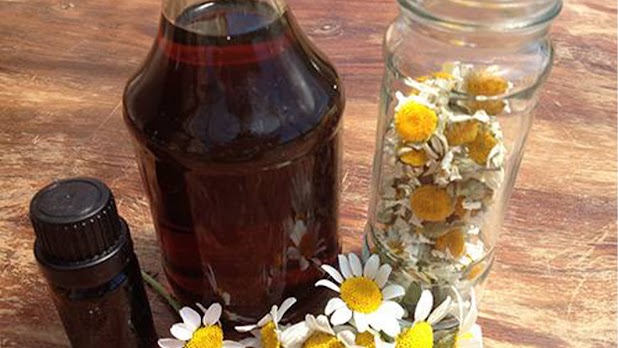
Containers make medicinal herb gardening possible for renters, balcony gardeners, and people with poor native soil. They also make it easier to separate herbs with different watering needs.
Use a container with drainage holes and choose its depth based on the plant’s roots. A shallow pot may work for a small annual, but echinacea, chicory, or marshmallow will eventually need more room.
A simple container layout could include:
- Pot one: lavender in a fast-draining mix.
- Pot two: mint by itself.
- Pot three: lemon balm by itself.
- Pot four: chamomile or calendula.
- Deep pot: echinacea, marshmallow, or chicory.
Do not place every container on one watering schedule. Check the soil first, particularly after rain or during hot weather.
Container tips that save frustration:
- Use quality potting mix rather than dense garden soil.
- Keep drainage holes clear.
- Raise pots slightly off hard surfaces.
- Rotate containers when plants lean toward light.
- Move vulnerable plants during extreme weather.
- Label every pot.
- Do not let saucers hold standing water for long periods.
The most common container mistake is choosing a decorative pot without drainage. It can look beautiful, but roots need air as well as water.
Planting and Maintaining a Small Medicinal Garden

Once the herbs are selected, the maintenance routine is not complicated. Check moisture, inspect leaves, remove weeds, and notice problems early.
Always read the seed packet before planting. Tiny seeds may need a thin covering, while larger seeds can be planted more deeply. Treating every seed the same is one shortcut that usually causes trouble.
For starting seeds indoors:
- Use clean containers and seed-starting mix.
- Moisten the mix before sowing.
- Plant at the recommended depth.
- Label each variety immediately.
- Provide strong, suitable light after sprouting.
- Keep the surface evenly moist, not soaked.
- Thin crowded seedlings.
- Harden seedlings before transplanting outdoors.
Outdoors, water near the base of the plant rather than spraying foliage constantly. Remove weeds while they are small and leave enough space between mature plants for airflow.
Light mulch can help conserve moisture and reduce weeds, but keep it away from plant stems. Heavy fertilizer is often unnecessary for herbs, especially when the soil already contains organic matter.
Keep a journal with planting dates, germination results, pest problems, flowering times, and harvest notes. The journal may feel like overkill until the next growing season, when it becomes incredibly useful.
Harvesting, Drying, and Storing Medicinal Herbs

Harvest herbs when plants are healthy and the weather is dry. For many herbs, the morning after dew has evaporated is a practical time to cut leaves or stems.
General harvesting guidelines include:
- Harvest leaves only after the plant has enough foliage to recover.
- Pick flowers when fresh and open.
- Collect mature seeds when they begin to dry.
- Harvest roots only from correctly identified, established plants.
- Use a basket that allows airflow.
- Never harvest diseased or chemically treated plant material.
For air drying, make small, loose bundles and hang them in a warm, dry, shaded, well-ventilated location. Thick bundles hold moisture, and mold can begin before you notice it.
The Oregon State University Extension guide explains that dried herbs should be kept in a cool, dark, dry place and checked for proper dryness before storage.
Herbs are ready when leaves crumble easily and stems snap or break. Store them in clean, airtight jars labeled with the herb name and harvest date.
If condensation appears inside the jar, the herb was not dry enough. Remove it and continue drying rather than gambling with mold.
Should You Buy a Medicinal Garden Kit?
Some gardeners prefer to buy separate seed packets and choose every variety themselves. Others want a curated collection so they can begin without researching dozens of individual herbs.
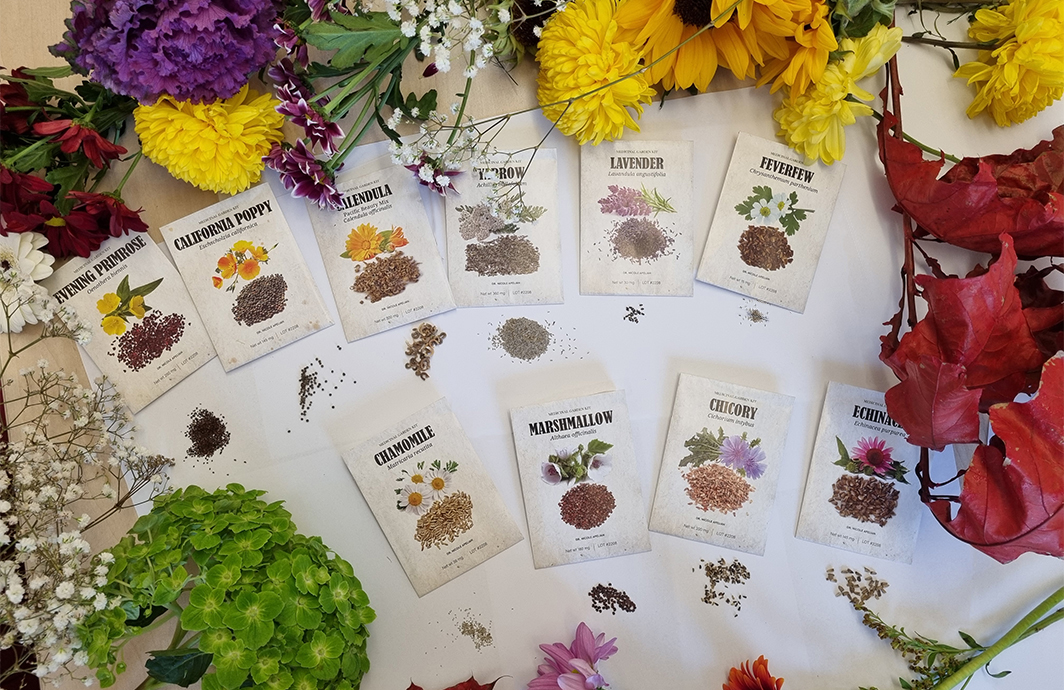
The Medicinal Garden Kit is marketed as a preselected seed collection for people interested in growing a backyard medicinal herb garden.
According to the product page, the kit includes 10 herb varieties, including:
- Chicory.
- Yarrow.
- California poppy.
- Marshmallow.
- Chamomile.
- Evening primrose.
- Lavender.
- Echinacea.
- Calendula.
- Feverfew.
The product page also states that the collection includes non-GMO seeds and a digital guide titled Herbal Medicinal Guide: From Seeds to Remedies. Readers should confirm current contents, pricing, shipping, and terms on the sales page before purchasing.
A kit may appeal to someone who wants:
- A single themed seed collection.
- Several medicinal garden varieties together.
- Basic growing and harvesting guidance.
- An educational project for a household or family.
- A starting point for a self-sufficiency garden.
Remember that a seed kit is not the same as a collection of mature plants. Seeds still need suitable light, soil, moisture, temperature, timing, and patience.
For a closer look at the product, readers can visit the Medicinal Garden Kit review.
Affiliate disclosure: We may receive a commission if you purchase through our link, at no additional cost to you.
Before buying, compare the included herbs with your garden’s climate, space, sunlight, and growing goals.
Herbal Safety Every Beginner Should Understand

A medicinal herb garden article should always include a safety section. It is not responsible to explain how to grow a plant and then suggest that every homemade remedy is harmless.
The NCCIH states that safety depends on the specific herb or product. It also identifies possible drug interactions and contamination as concerns related to herbal supplements.
Before using a garden herb internally or on the skin:
- Confirm the plant’s identity.
- Check the botanical name.
- Research the plant part being used.
- Review possible side effects.
- Check for medication interactions.
- Consider allergies and skin sensitivity.
- Seek professional guidance during pregnancy or breastfeeding.
- Use extra caution with children and older adults.
Do not use homemade herbs to delay emergency care. Severe bleeding, breathing difficulty, chest pain, serious burns, deep wounds, suspected poisoning, and rapidly worsening symptoms need proper medical attention.
Use careful wording in your article. “Traditionally used in herbal tea” is not the same as “cures anxiety.” “Used in some topical preparations” is not the same as “heals infections.”
Keep records of every harvest and preparation. Write down the herb, plant part, harvest date, preparation method, and storage conditions. This is especially helpful when several plants look similar.
Beginner Mistakes I Would Avoid

My first mistake was buying seeds before checking the garden’s sunlight. I had a collection of plants and no proper place to put them. It was a bit like buying shoes before checking the size.
Another mistake was planting mint in open soil. It grew beautifully, which seemed like a win until the roots began appearing in places where mint had never been invited.
Here is what I would do differently now:
- Observe sunlight before buying seeds.
- Start with five to 10 herbs.
- Use containers for mint and lemon balm.
- Leave room for mature plant size.
- Use permanent labels.
- Keep a garden journal.
- Harvest lightly during the first season.
- Dry only as much plant material as can be processed properly.
- Research safety before making herbal preparations.
Some plants will still fail, and that is normal. The useful part is recording why: too much water, poor light, late planting, crowded roots, or a seed that simply needed more time.
Frequently Asked Questions
What are the easiest medicinal herbs to grow?
Calendula, chamomile, lavender, lemon balm, mint, yarrow, and echinacea are common beginner choices. The best herb depends on your sunlight, drainage, climate, and available space.
Can I grow medicinal herbs in a small backyard?
Yes. Containers, raised beds, and narrow garden borders can support many herbs. Use individual containers for spreading plants such as mint.
What medicinal herbs grow well in pots?
Lavender, mint, lemon balm, chamomile, calendula, feverfew, and some echinacea varieties can grow in pots when container size, drainage, sunlight, and watering are suitable.
Do easy medicinal herbs need full sun?
Many herbs prefer several hours of direct sunlight, although some tolerate partial shade. Read the seed packet or consult a reliable horticultural source for each plant.
Are medicinal herbs safe to use as home remedies?
Not automatically. Herbs can cause side effects, allergies, contamination, and medication interactions. Consult a qualified healthcare professional when you are unsure.
Is the Medicinal Garden Kit suitable for beginners?
It may be useful for beginners who want a preselected collection of medicinal herb seeds and supporting information. Check the current seed list and compare the included plants with your climate and garden size.
Start Your Small Medicinal Herb Garden

Growing easy medicinal herbs is not about creating a perfect backyard pharmacy on the first attempt. It is about choosing plants that match your conditions, learning how they respond, and improving one season at a time.
Calendula, chamomile, lavender, lemon balm, mint, echinacea, yarrow, feverfew, marshmallow, and chicory offer a useful mix of flowers, fragrances, perennials, and traditional garden plants.
Use good drainage, suitable sunlight, clear labels, careful watering, and modest harvesting. Dry herbs completely before storage and research safety before using any plant internally or topically.
If you want a curated place to begin, you can explore the Medicinal Garden Kit. Compare the included varieties with your growing conditions before ordering.
You can also read the Medicinal Garden Kit review for additional product-focused information.
Your first garden does not need to be flawless. One pot of mint, a few calendula blooms, or a small patch of chamomile is enough to begin.
Sources and Further Reading
- University of Minnesota Extension: Growing Herbs in Home Gardens
- University of Maryland Extension: Herbs for the Home Garden
- University of Maryland Extension: Harvesting and Preserving Herbs
- Oregon State University Extension: Drying Herbs
- NCCIH: Safe Use of Complementary Health Products and Practices
- NCCIH: Herbs at a Glance
- Medicinal Garden Kit: Product Information