
Affiliate Disclosure: This article may contain affiliate links. If you purchase through a link, I may earn a commission at no additional cost to you. This content is for general education only and is not a substitute for public-health advice, laboratory testing, or guidance from a qualified water-treatment professional.
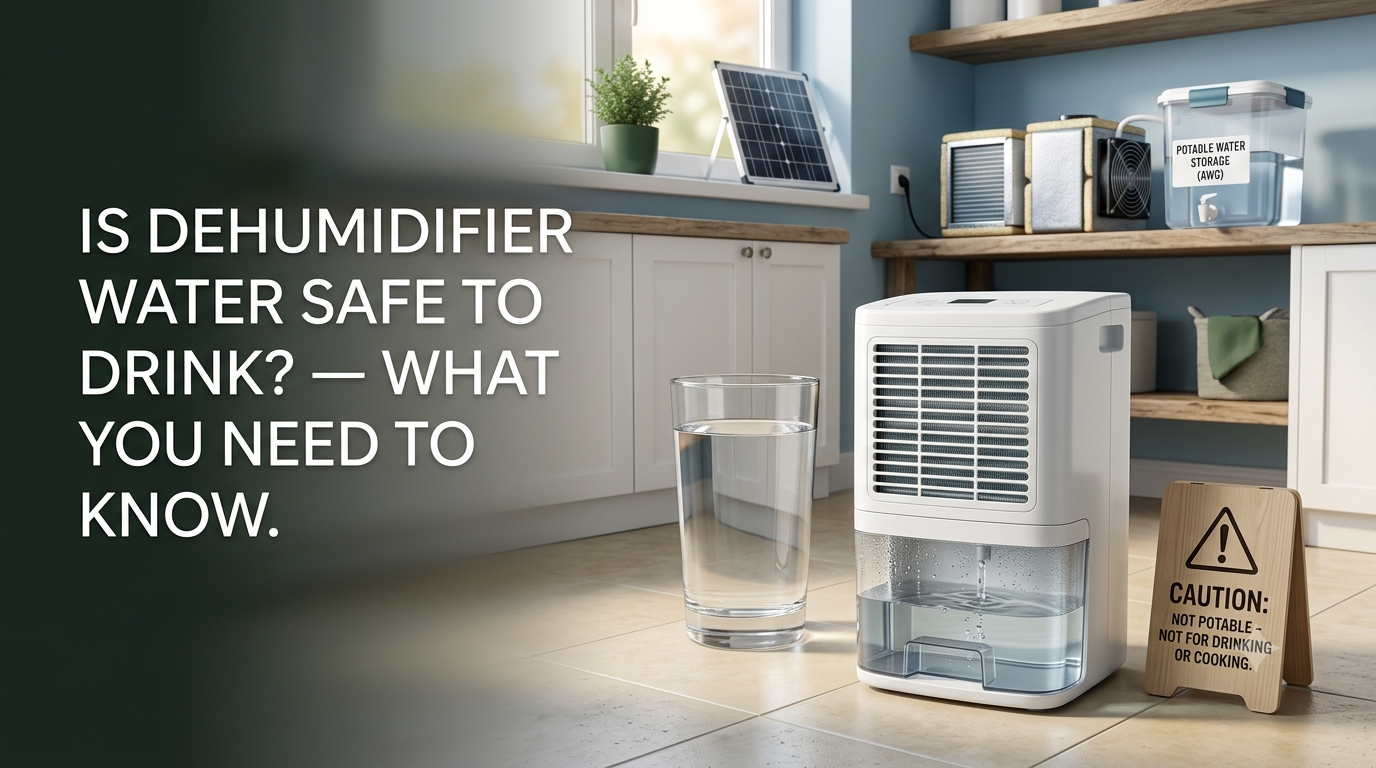
So, is dehumidifier water safe to drink? In normal household conditions, the safest answer is no. Even though the water looks clear, a standard dehumidifier is designed to remove moisture from indoor air, not to manufacture drinking water.
That bucket can collect a surprising amount of liquid during humid weather. It is tempting to see it as free distilled water, especially during a drought or water shortage. But condensate can pick up dust, mold, bacteria, metals, and other residues from the machine, its tank, and the air around it.
I understand the confusion. Water vapor becomes droplets on a cold coil, and that sounds very similar to distillation. The missing detail is what happens after condensation and whether the machine was built, cleaned, treated, and tested for potable-water use.
This guide explains the risks, safer non-drinking uses, treatment limits, and the difference between a normal dehumidifier and a purpose-built atmospheric water generator.
Is Dehumidifier Water Safe to Drink? The Short Answer

Do not treat water collected from a standard household dehumidifier as drinking water. The machine may produce clear condensate, but the water is not automatically filtered, disinfected, or stored under potable conditions.
Water vapor from the air condenses on cold coils and runs into a drip pan or bucket. During that journey, it can contact metal coils, plastic channels, tubing, dust, biofilm, mold, and standing water inside the appliance.
The tank itself is a big part of the problem. It often sits in a warm, damp environment, and it may not be cleaned every day. Once water sits, microbial growth becomes more likely.
The U.S. Environmental Protection Agency’s atmospheric-water-generation research found that even water from purpose-built atmospheric water systems can require treatment and microbial monitoring.
- Standard dehumidifiers are made for humidity control, not drinking-water production.
- Collected condensate is not automatically sterile or potable.
- Clear water can still contain microorganisms or chemical residues.
- The collection bucket may support mold or bacterial growth.
- Boiling alone does not remove every chemical or metal contaminant.
This does not mean every drop from every machine is guaranteed to make someone sick. It means you cannot responsibly assume it is safe based on appearance alone.
For household planning, label dehumidifier water as non-potable unless it has been treated and tested through a process designed for drinking water.
Why Dehumidifier Condensate Can Become Contaminated
People often imagine the water begins dirty. In reality, indoor air moisture may be relatively clean at the moment it condenses, but the water can become contaminated as it passes through the appliance.
A standard dehumidifier usually has cold evaporator coils, a drip tray, internal drain channels, filters, plastic parts, a bucket, and sometimes a pump or hose. None of those parts should automatically be assumed to meet drinking-water standards.
Dust and airborne particles can stick to wet surfaces. Mold spores and bacteria may also enter through the air intake or grow in damp areas that are not cleaned regularly.
The EPA’s technical brief on atmospheric water generation reported that water quality can change during collection and storage. Its findings reinforce a simple point: condensed water is not the same thing as tested drinking water.
- Airborne dust: Household dust, pollen, pet dander, and other particles can enter the system.
- Mold and biofilm: Damp coils, trays, hoses, and tanks may support growth.
- Metal residues: Water may contact coils, solder, fittings, or other components.
- Plastic residues: Internal materials may not be intended for potable water.
- Standing water: Storage in a warm, open bucket can increase microbial risk.
I once opened a neglected dehumidifier bucket and found the familiar musty smell that tells you the water has been sitting too long. It was not dramatic, but it was enough to make the decision easy: that water was not going anywhere near a glass.
Even without an odor, contamination can still be present. Smell and appearance are useful warning signs, but they are not laboratory tests.
What Contaminants Might Be in Dehumidifier Water?
The exact contaminants depend on the appliance, room, maintenance schedule, air quality, and storage conditions. That is why broad claims about all dehumidifier water being identical should be avoided.
Possible concerns include microorganisms, mold spores, dust, metals, and chemicals from the surrounding air. If the machine is located near smoke, solvents, paint, pesticides, fuel, or strong cleaning products, extra caution is needed.
The CDC explains that household water treatment cannot make water safe when it contains certain fuels, toxic chemicals, or radioactive materials. In those cases, a different water source is recommended.
- Microorganisms: Bacteria and other microbes may grow in damp internal parts or storage tanks.
- Mold-related material: Dirty coils and trays can release particles into collected water.
- Heavy metals: Some internal components may contribute metal residues.
- Airborne chemicals: Vapors or pollutants in the room may enter the system.
- Organic debris: Dust, hair, insects, and other material may reach the collection bucket.
The biggest mistake is thinking a carbon pitcher filter automatically solves every problem. Carbon filters can help with some tastes, odors, and organic compounds, but filter performance depends on the specific contaminant and the filter’s certification.
A filter that improves tap-water taste is not necessarily designed to remove metals, microorganisms, or unknown chemical residues from dehumidifier condensate.
If water safety truly matters, identify the suspected contaminants first. Then choose treatment designed for those contaminants and confirm the result with testing.
Can Boiling or Filtering Make Dehumidifier Water Drinkable?

Boiling and filtration can reduce some risks, but neither should be treated as a universal fix for ordinary dehumidifier water.
Boiling is useful for killing many disease-causing microorganisms. The CDC recommends bringing clear water to a rolling boil for one minute, or three minutes at elevations above 6,500 feet.
But boiling does not remove every chemical, metal, or toxin. In fact, if water contains a dissolved substance that does not evaporate easily, boiling away some water may increase its concentration.
The CDC’s emergency-water instructions clearly state that water contaminated with harmful chemicals or toxins cannot be made safe by boiling, disinfecting, or filtering alone.
- Boiling can kill many bacteria, viruses, and parasites.
- Boiling does not remove all metals, chemicals, fuels, or toxins.
- Basic pitcher filters are not designed for every possible condensate contaminant.
- Reverse osmosis may remove more dissolved substances, but it still requires proper maintenance.
- Distillation can help with many dissolved solids but does not guarantee removal of volatile chemicals.
- Laboratory testing is needed when drinking water safety is important.
So, can a determined person build a complete treatment train? Possibly, depending on the equipment, source, and testing. But that is very different from saying, “I boiled the bucket water, so it is safe now.”
For normal household use, the better choice is to keep condensate for non-drinking tasks and use a known safe drinking-water source.
Safer Uses for Dehumidifier Water

Dehumidifier water does not have to be wasted. It can be useful for tasks where drinking-water quality is not required.
Before reusing it, clean the machine and empty the bucket often. If the water smells musty, has visible growth, or came from a room with chemical fumes or heavy smoke, discard it instead.
Also, label the container clearly. A non-potable bucket should not be stored beside drinking-water containers where somebody could grab the wrong one in a hurry.
- Toilet flushing.
- Floor, patio, or outdoor cleaning.
- Washing muddy tools or boots.
- Vehicle washing, if the local water situation allows it.
- Some steam irons, if the manufacturer permits condensate use.
- Watering ornamental plants, with caution about indoor-air contaminants.
I would not use untreated dehumidifier water for vegetables, herbs, fruit trees, pet bowls, aquariums, humidifiers, cooking, brushing teeth, or making ice.
That list may sound conservative, but the cost of using tap water for these tasks is usually much lower than the cost of guessing wrong about contamination.
If you reuse condensate, use a clean dedicated container, empty it frequently, and avoid storing it for long periods. Standing water gets sketchy pretty fast.
How to Clean and Maintain a Dehumidifier
Regular cleaning will not turn a household dehumidifier into a certified drinking-water generator, but it can improve indoor air quality, appliance performance, and the safety of non-potable reuse.
Follow the manufacturer’s instructions first. Different models use different filter materials, coils, drain paths, and cleaning recommendations.
Never spray cleaning chemicals into electrical components or leave residue on surfaces that water will contact. Rinse parts appropriately and allow them to dry when the manufacturer permits it.
- Empty and rinse the collection bucket frequently.
- Wash the bucket according to the manufacturer’s instructions.
- Clean or replace the air filter on the recommended schedule.
- Inspect the drip tray, drain hose, and pump for slime or buildup.
- Check coils for heavy dust, mold, rust, or damage.
- Keep the area around the appliance dry and free of chemical fumes.
- Do not allow collected water to sit warm and stagnant for days.
If the appliance has visible mold, severe corrosion, a persistent odor, or a damaged drain path, stop using the collected water. Cleaning may help, but replacement may be safer if the internal surfaces cannot be properly accessed.
Maintenance is also important because a dirty dehumidifier can reduce its own performance. A clogged filter makes the unit work harder, collect less water, and use more energy.
How a Drinking-Water Atmospheric Generator Is Different
A purpose-built atmospheric water generator and a household dehumidifier may both use condensation, but they are not automatically the same kind of product.
A drinking-water-oriented system may include food-safe water-contact components, staged filtration, disinfection, sealed storage, mineralization, drainage controls, and maintenance instructions. A normal dehumidifier usually does not provide that complete water-treatment chain.
Even a purpose-built atmospheric water generator still needs cleaning, filter changes, testing, and responsible operation. The product category alone does not guarantee that every drop is safe.
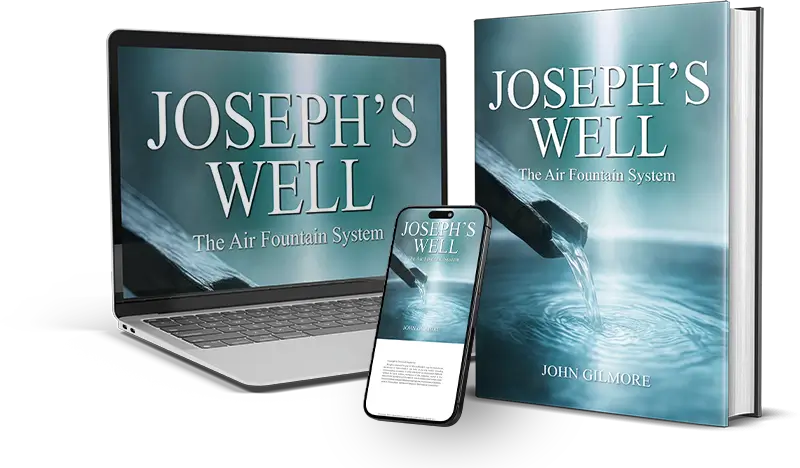
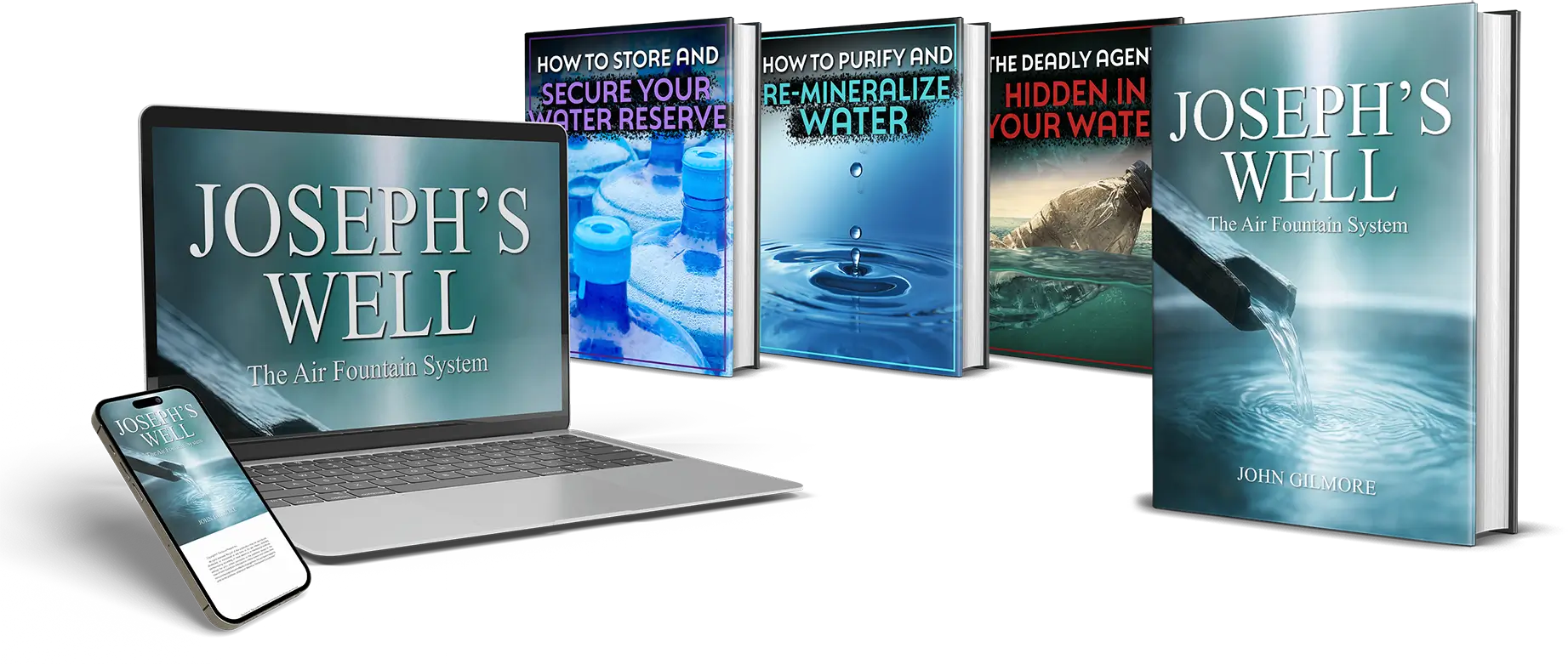
Joseph’s Well is marketed as a DIY guide for building a personal atmospheric water generator. The vendor says it includes step-by-step instructions, parts sourcing, blueprints, power options, and water-preparedness bonuses.
- A standard dehumidifier primarily controls indoor humidity.
- A purpose-built AWG is designed around water collection and treatment.
- Food-safe materials matter wherever water touches the system.
- Filtration and disinfection should be matched to likely contaminants.
- Water output depends on humidity, temperature, equipment, and energy use.
- Any system used for drinking water should be tested and maintained.
Those features are why someone might research a dedicated atmospheric water system instead of repurposing an ordinary appliance. But the advertised output, build cost, and safety still need to be evaluated against your local conditions.
You can read the Joseph’s Well review to see what the digital guide claims to include before deciding whether a DIY water-from-air project is appropriate for your household.
Better Emergency Water Options Than Dehumidifier Condensate
If your goal is emergency water preparedness, begin with methods that are easier to verify and manage.
The CDC recommends storing at least one gallon of water per person per day for at least three days. More may be needed for hot weather, pets, children, older adults, or health conditions.
Stored water is not exciting, but it is predictable. That matters during an outage when you do not want to troubleshoot coils, filters, tubing, and laboratory test results.
- Store commercially bottled water or properly prepared home-stored water.
- Use food-grade containers with tight-fitting lids.
- Keep a gravity filter or other properly selected treatment system.
- Learn how to boil or disinfect water according to CDC guidance.
- Consider legal rainwater collection where suitable.
- Maintain private wells, storage tanks, and pumps before a crisis.
- Research atmospheric water generators only as supplemental systems.
If you are looking at water-from-air technology because you want less dependence on wells or municipal systems, the key questions are practical: How humid is your location? How much electricity is available? What is the real output? How will water be treated and tested?
For a structured DIY approach, you can view the Joseph’s Well system details. Read the claims carefully and compare the guide with safer, established water-storage options.
When Should You Never Use Dehumidifier Water?
There are situations where dehumidifier condensate should be discarded rather than reused.
If the water has a chemical smell, visible mold, oily film, unusual color, or heavy sediment, do not use it for household tasks. The same goes for water collected from a unit located near fuel, paint, pesticides, smoke, sewage, or industrial chemicals.
Do not try to “fix” suspected chemical contamination by adding bleach or boiling. The CDC states that water containing harmful chemicals or toxins cannot be made safe through boiling, disinfecting, or filtering alone.
- Discard water from a moldy or heavily contaminated appliance.
- Discard water with an oily appearance, chemical odor, or unknown exposure.
- Do not use questionable condensate for food plants or pets.
- Do not aerosolize it in humidifiers, misters, or steam devices.
- Do not give it to children, infants, or people with weakened immune systems.
Sometimes the most responsible water-treatment method is not using the water. It is frustrating, yes, but avoiding an unknown contaminant is better than trying to become a miniature water-treatment plant in a weekend.
Conclusion: Treat Dehumidifier Water as Non-Potable
So, is dehumidifier water safe to drink? In ordinary household conditions, no. Treat condensate from a standard dehumidifier as non-potable because it may collect microorganisms, dust, metals, and chemical residues from the appliance and surrounding air.
You can often reuse it for toilet flushing, cleaning, and some other non-drinking tasks, provided the machine is clean and the water has not been exposed to chemicals or heavy contamination.
For drinking water, rely on bottled or properly stored water, verified filtration and disinfection, testing, and emergency guidance. If you explore an atmospheric water generator, remember that purpose-built systems still require maintenance and water-quality monitoring.
Clear water is not automatically safe water. That one rule will keep you out of a lot of trouble.
Sources and Further Reading
- U.S. Environmental Protection Agency: Atmospheric Water Generation Technology Technical Brief
- Centers for Disease Control and Prevention: Household Water Treatment
- Centers for Disease Control and Prevention: Make Water Safe During an Emergency
- Centers for Disease Control and Prevention: Emergency Water Supply
- U.S. Environmental Protection Agency: Private Wells
- Joseph’s Well Review