
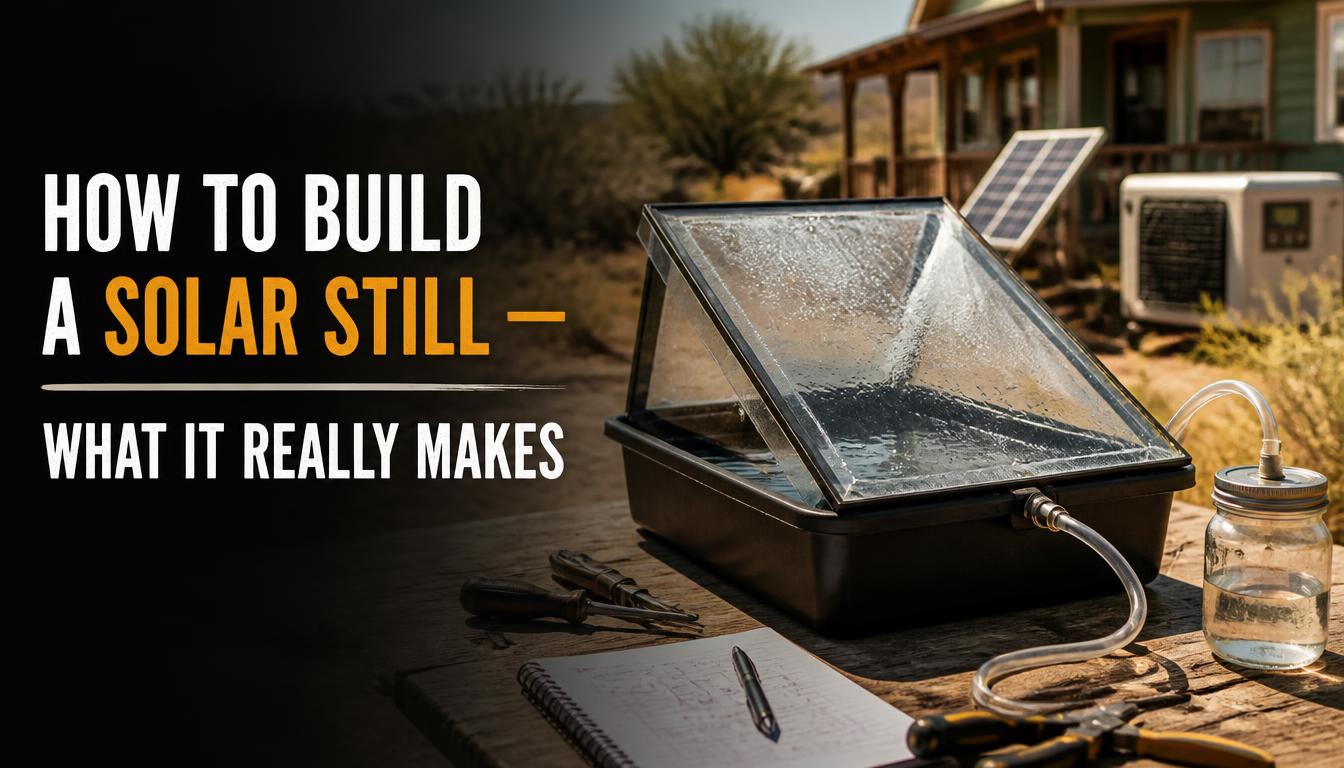
Learning how to build a solar still is one of those projects that feels almost old-fashioned in the best way. You use sunlight, a dark container, a clear cover, and gravity to copy part of the natural water cycle right in your backyard.
The catch? A solar still is slow. Really slow sometimes. My first mental picture was a little survival still quietly filling a gallon jug by lunchtime. Physics had other plans.
A simple solar still can produce distilled water from salty water or water containing many dissolved solids, but its output depends on sunlight, surface area, temperature, design, water depth, and weather. It is useful as a learning project and a backup skill, but it is not a quick replacement for a household water supply.
This guide shows you how a solar still works, how to build a basic version, what it can realistically produce, and when you should use another water-treatment option instead.
What Is a Solar Still and How Does It Work?
A solar still uses the sun’s heat to evaporate water. The water vapor rises, touches a cooler clear cover, condenses into droplets, and runs into a separate clean collection channel.
It is essentially a small version of the water cycle. Sunlight heats water. Water evaporates. Vapor cools and condenses. Then clean-looking distillate is collected.
The source water stays in the basin, while many dissolved minerals and salts are left behind. This is why solar distillation is often discussed for desalinating seawater or reducing dissolved solids in brackish water.
The U.S. Geological Survey’s water-cycle explanation describes the same basic process: water evaporates into vapor, condenses into droplets, and returns to the surface as liquid water.
- Sunlight heats source water inside a dark basin or container.
- Water evaporates and rises as vapor.
- Vapor condenses on the underside of a cooler clear cover.
- Condensation droplets run down the sloped cover.
- Cleaned water is directed into a separate collection channel or container.
The part that confused me at first was this: the water that reaches the collection cup is not simply filtered source water. It has evaporated and condensed, which is why a solar still is a form of distillation.
That is also why the still should be designed to keep the collected condensate separate from the original dirty or salty water. If the two mix, you have defeated the point.
What Can a Solar Still Remove From Water?
A solar still can reduce many dissolved solids because salt, minerals, and many nonvolatile contaminants do not evaporate with the water. When water vapor condenses, the collected liquid is often much lower in dissolved salt than the basin water.
That is the good news. The less fun news is that a solar still is not a universal answer for every contaminated water source.
Some volatile chemicals can evaporate along with water vapor. Fuel-related contaminants, solvents, pesticides, industrial chemicals, and certain other compounds can be complicated. A simple backyard still should not be trusted to make chemically contaminated water safe without laboratory testing.
The Centers for Disease Control and Prevention emergency-water guidance explains that boiling can kill germs but does not remove chemicals or toxins. Distillation can remove some contaminants better than boiling alone, but it also does not guarantee safety from every chemical hazard.
- Solar distillation can reduce salts and many dissolved minerals.
- It can help separate water from sediment and many nonvolatile impurities.
- It may reduce some microbial risks when the distillate is collected separately.
- It does not guarantee removal of volatile chemicals or industrial pollutants.
- It should not be used as a shortcut for unknown chemical contamination.
I would use a solar still for brackish water experiments, saltwater demonstrations, or a carefully chosen emergency water source. I would not use it for runoff from a garage floor, water near fuel storage, or unknown industrial contamination.
When the source is questionable, the safe answer is to find a known safe alternative or follow local emergency instructions. A homemade still is clever, but it does not make you a water chemist overnight.
Materials You Need to Build a Simple Solar Still
You can build a basic basin-style solar still with materials that are easy to find. The main design goal is simple: create a warm, dark water basin with a clear sloped cover and a way to collect condensation without letting it drip back into the dirty water.
For a small experiment, a dark tray and clear plastic film can work. For something more durable, use a weather-resistant frame, food-safe basin, clear glass or UV-resistant polycarbonate cover, and a separate condensate channel.
I would avoid flimsy plastic wrap for a long-term still. It can sag, tear, collect dust, and drip water in the wrong place. It works for a survival demonstration, but it is not exactly a “set it and forget it” design.
- A shallow dark basin, tray, or lined box for source water.
- Clear glass, acrylic, or UV-resistant polycarbonate for the cover.
- A frame to hold the cover at a downward angle.
- Weather-resistant sealant or gasket material.
- A collection trough, gutter, or food-safe tube for condensate.
- A clean covered container for distilled water.
- Optional thermometer, measuring cup, and notebook for tracking results.
Use food-safe materials wherever collected water touches the system. This includes the condensate gutter, tubing, storage jar, and lid.
Also, keep your source-water basin shallow. A thin layer heats faster than a deep bucket of water. It is a small design choice that makes a big difference.
How to Build a Solar Still Step by Step

For a backyard solar still, start with a basin design. It is more repeatable than a hole-in-the-ground survival still, easier to clean, and easier to measure.
Pick a sunny spot that gets several hours of direct sunlight. Avoid shade from trees, fences, or buildings. You want sunlight hitting the basin from late morning through afternoon.
Here is the basic build process.
- Step 1: Place a shallow dark basin on a level, sunny surface.
- Step 2: Add source water in a shallow layer, usually about 1 to 2 inches deep.
- Step 3: Build or position a frame that holds the clear cover at a slope.
- Step 4: Seal the cover edges so humid air stays inside the still.
- Step 5: Install a clean collection trough at the lower edge of the cover.
- Step 6: Connect the trough to a covered, food-safe collection container.
- Step 7: Check that condensation runs toward the trough, not back into the basin.
- Step 8: Measure water output daily and clean the system regularly.
My own imaginary first attempt would have made one classic mistake: I would have placed the cover too flat. When the angle is too shallow, condensation droplets sit there, merge, and fall straight back into the basin.
The cover needs enough slope for gravity to guide water into the collection channel. Test it with a few drops of clean water before adding source water.
Do not overfill the basin. A shallow water layer warms more quickly and encourages evaporation. More water in the basin does not automatically mean more water in the collection jar.
How Much Water Does a Solar Still Really Make?
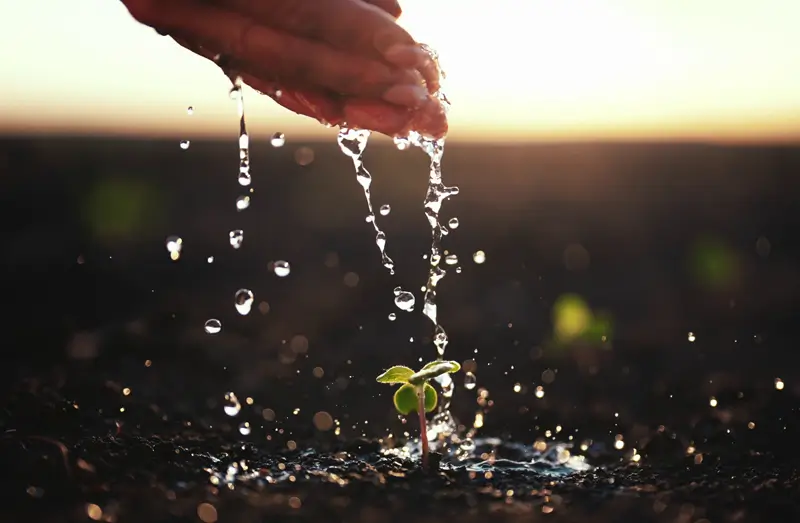
Here is the part that gets exaggerated online: solar still water output is usually modest. A basic passive solar still often produces around 2 to 5 liters per square meter of collection area per day under good sunny conditions.
That range comes from reviews of conventional solar-still designs. Output can be lower on cloudy days, in cool weather, when the basin is too deep, when the cover is dirty, or when the still is poorly sealed.
A review in Aston University research on solar still performance describes basic passive solar-still productivity in the range of roughly 2 to 5 liters per square meter per day. More advanced designs can improve output, but they add complexity and cost.
So, a one-square-meter still might produce a few liters on a strong sunny day. That is useful, but it is not enough for all of a family’s drinking, cooking, washing, laundry, and hygiene needs.
- A basic passive solar still commonly produces about 2 to 5 liters per square meter per day in good conditions.
- Cloudy weather, cold temperatures, shade, dust, and leaks can lower output.
- Shallow water depth often improves heating and evaporation.
- Large collector area is needed for meaningful household quantities.
- Advanced designs may improve output but require more materials and maintenance.
The U.S. Bureau of Reclamation tested an advanced solar still design that produced more than 8 liters per square meter per day under test conditions. But that was a specialized design, not a basic plastic-sheet survival still.
That distinction matters. Do not plan your emergency water supply around laboratory-level output from a prototype if you are building a simple backyard box from hardware-store materials.
How to Improve Solar Still Water Output
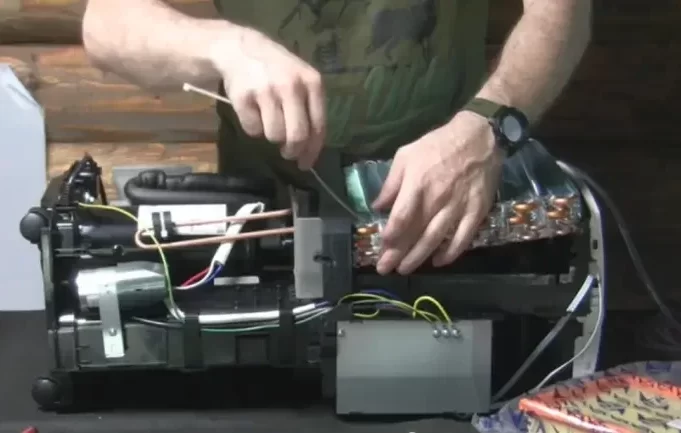
Once you build a solar still, the fun part is improving it. Small changes can improve evaporation, condensation, drainage, and heat retention.
You do not need to get too fancy at first. Measure your daily output, change one thing at a time, and keep notes. Otherwise you will have no clue which modification actually helped.
Start with the boring fixes: clean the cover, seal air leaks, keep the basin shallow, and move the still into full sun. Those steps are often more valuable than elaborate upgrades.
- Use a black basin liner to absorb more solar heat.
- Keep source water shallow, around 1 to 2 inches where practical.
- Clean dust, pollen, and bird droppings from the clear cover.
- Seal gaps that let warm humid air escape.
- Use insulation around the basin sides where appropriate.
- Angle the clear cover so condensate drains smoothly into the trough.
- Keep the outside of the cover cooler than the basin when possible.
- Position the still for long periods of direct sunlight.
One clever improvement is increasing the temperature difference between the warm basin and the clear cover. Evaporation needs heat, while condensation works better on a cooler surface.
But do not block sunlight while trying to cool the cover. That is the sort of “smart” idea that can accidentally make output worse. Been there in plenty of DIY projects, just not this exact one.
Advanced designs use reflectors, wicks, multiple stages, heat storage, solar collectors, or active circulation. Those can boost output, but they are not necessary for learning the fundamentals.
Is Solar Still Water Safe to Drink?

Water collected from a well-built solar still is distilled water, but that does not mean it should automatically be treated as safe drinking water in every situation.
The biggest risks are source-water contamination, volatile chemicals, dirty collection surfaces, poor storage, and mistakes that allow source water to splash into the condensate channel.
A solar still is generally more useful for desalinating saltwater or treating water with dissolved solids than for cleaning up water contaminated by unknown chemicals. If the source water might contain gasoline, solvents, pesticides, industrial runoff, or sewage, find another source and follow official guidance.
The CDC recommends using bottled, boiled, or properly treated water during an emergency. If you plan to drink distilled water from a DIY still, use clean materials, protect the finished water from contamination, and have it tested when possible.
- Keep the collection trough and storage container clean and covered.
- Do not use a solar still for water contaminated with unknown chemicals.
- Prevent source water from splashing into the distilled-water channel.
- Use food-safe materials for condensate collection and storage.
- Test water before relying on a new system for regular drinking use.
- Follow local emergency instructions before using alternative water sources.
Distilled water also has very low mineral content. Drinking it occasionally is generally not the issue people make it out to be, but it can taste flat. For ongoing use, dietary minerals normally come from food, not just water.
Still, this is not the time to make broad health claims. If you have specific health needs, talk with a qualified health professional and use a known safe water source.
Solar Still vs. Other Emergency Water Methods
A solar still is a useful tool, but it is not the best answer for every water problem. It is slow, weather-dependent, and usually small in output.
For a short emergency, stored water is faster. For microbiological concerns, boiling and proper disinfection may be more practical. For ongoing off-grid use, a well, rainwater system where legal, spring, fog collector, or atmospheric water generator may make more sense depending on your climate.
Here is the simple comparison.
- Stored water: Best first-line option for short-term emergencies.
- Boiling: Useful for killing many germs but does not remove chemicals or salt.
- Water filters: Helpful when matched to the right contaminants and maintained properly.
- Rainwater harvesting: Can provide larger volumes where legal and properly managed.
- Solar still: Useful for low-energy distillation but limited in daily output.
- Atmospheric water generator: Uses humidity and electricity; output depends on climate and system design.
Joseph’s Well is marketed as a DIY atmospheric water generator guide for people interested in collecting water from humid air using a condensation-based setup. It is different from a solar still because it uses cooling and power rather than solar distillation.
If you want to compare the two approaches, you can read this Joseph’s Well review. The guide is marketed with build instructions and power options, but any output claims should be treated as vendor claims that vary with humidity, temperature, system maintenance, and local conditions.
How Solar Stills Fit Into a Real Water Preparedness Plan
A solar still is best treated as one piece of a layered water plan. It teaches valuable skills, uses free solar energy, and can provide a little distilled water when conditions are right.
But it should not be your only plan for drinking water. If the sky is cloudy for three days, or your still produces only a couple of liters, you still need enough safe water for your household.
The CDC recommends storing at least one gallon of water per person per day for at least three days for emergencies. More may be needed for high temperatures, pets, children, older adults, and medical needs.
- Store emergency drinking water before relying on DIY collection systems.
- Keep water filters, treatment supplies, and clean containers available.
- Use a solar still as a supplemental skill and limited-output water source.
- Learn local rules for rainwater harvesting and water storage.
- Test unfamiliar water sources before making them part of daily drinking water.
- Choose water-preparedness tools that match your climate and household needs.
If your area has warm, humid weather, a condensation-based water generator may be worth researching as another supplemental method. For a step-by-step DIY approach, you can view the Joseph’s Well water-system details.
Just keep expectations grounded. A solar still, an atmospheric water generator, and stored water all solve different parts of the same problem. None of them are magic, but together they can make a household more resilient.
Conclusion: Build a Solar Still for Skills, Not False Promises
Knowing how to build a solar still gives you a practical understanding of evaporation, condensation, and solar distillation. It can turn salty or mineral-heavy water into a smaller amount of distilled water with no grid electricity.
But a simple solar still is slow. Realistic output for a basic design is usually measured in liters per square meter per day, not gallons per hour. That makes it useful as a backup or survival skill, not a complete household supply.
Build a small solar still, measure what it does in your climate, keep it clean, and treat water safety seriously. Then add it to a broader plan with stored water, filtration, treatment, and other legal water sources.
The goal is not one miracle device. The goal is having options.
Sources and Further Reading
- U.S. Geological Survey: The Water Cycle
- Aston University: Review of Solar Still Designs and Performance
- U.S. Bureau of Reclamation: Solar Still Research Report
- Centers for Disease Control and Prevention: Making Water Safe in an Emergency
- Centers for Disease Control and Prevention: Emergency Water Supply
- Joseph’s Well Review