
Affiliate Disclosure: This article may contain affiliate links. If you make a purchase through an affiliate link, I may earn a commission at no additional cost to you. This article is for general education and preparedness only. Follow local emergency instructions and product labels for water treatment.
Learning how to purify water without electricity is one of those skills you hope you never need, but you really want to have before the power goes out. A blackout can stop pumps, filtration systems, refrigerators, and municipal treatment equipment in one annoying afternoon.
The good news is that you do not need a complicated setup to make some water safer. Boiling, gravity filtration, chemical disinfection, solar disinfection, distillation, and safe storage can all work without plugging into the wall.
But there is no single method that removes everything. Boiling kills many germs but does not remove fuel. Filters can remove particles and some organisms but may not remove viruses or chemicals. Water safety is all about matching the method to the risk.
This guide explains six off-grid water-purification methods, their limits, and the mistakes that can make treated water unsafe again.
First, Know What Water Purification Can and Cannot Do
Before choosing a treatment method, identify the problem you are trying to solve. Is the water cloudy? Does it contain bacteria? Is it salty? Could it have fuel or pesticide contamination?
These are different problems and need different tools. A cloth can remove leaves and sediment, but it does not disinfect water. Boiling can kill many microorganisms, but it does not remove dissolved chemicals. A carbon filter may improve taste, but a cheap pitcher is not a universal emergency purifier.
The U.S. Environmental Protection Agency’s emergency-disinfection guidance explains that boiling and chemical treatment can kill many disease-causing microorganisms, while also warning that chemical contamination requires a different response.
- Filtration: Removes particles and may remove certain microorganisms.
- Disinfection: Inactivates or kills many bacteria, viruses, and parasites.
- Distillation: Evaporates and condenses water, reducing many dissolved substances.
- Storage: Protects treated water from becoming contaminated again.
- Testing: Helps identify risks that appearance and taste cannot reveal.
The first lesson I learned is not to call every method “purification” as if they are interchangeable. They are not.
For unknown outdoor water, a two-step approach is often stronger: remove visible particles first, then disinfect. If chemical contamination is possible, use a different known-safe source instead of trying to fix it at home.
Method 1: Boil Water Over a Safe Fire
Boiling is one of the most reliable ways to purify water without electricity when the concern is disease-causing microorganisms. You can boil water on a wood stove, propane burner, camp stove, outdoor rocket stove, or safe cooking fire.
Start with the clearest water available. If the water is cloudy, let sediment settle, then pour it through a clean cloth, paper towel, or coffee filter before boiling.
The EPA recommends bringing clear water to a rolling boil for at least one minute. At elevations above 5,000 feet, the EPA guidance recommends boiling for three minutes.
- Let cloudy water settle before treatment.
- Pre-filter through clean cloth or paper if needed.
- Bring water to a vigorous rolling boil.
- Boil for at least one minute at normal elevations.
- Boil for three minutes at high elevations according to EPA guidance.
- Cool naturally in a clean, covered container.
Boiling kills many bacteria, viruses, and protozoa, including organisms that can cause serious illness. It does not remove salt, fuel, pesticides, metals, or other dissolved chemicals.
That limitation is important. Never boil water suspected of containing gasoline, solvents, industrial chemicals, or radioactive materials and assume it is now safe.
Boiled water can taste flat because dissolved air has been driven out. Pouring it between two clean containers can improve the taste, but do not splash it into dirty cookware or leave it uncovered.
Method 2: Use a Gravity Water Filter
Gravity filters work without electricity or hand pumping. You pour untreated water into an upper container, and gravity moves it through one or more filter elements into a clean lower container.
They are popular for cabins, homesteads, travel, and emergency storage because they are simple to operate. Once filled, the system works while you do something else.
But filter performance depends on the filter. A filter that removes sediment may not remove viruses. A carbon element may improve taste but still allow microorganisms through. Check the manufacturer’s performance claims and independent certifications.
- Choose a filter rated for the contaminants you expect.
- Use a pre-filter for muddy or heavily sedimented water.
- Keep untreated and treated containers separate.
- Replace filter elements on schedule or when flow drops.
- Do not let the clean outlet touch dirty containers or hands.
- Disinfect filtered water if the filter does not address microbial risks.
A common mistake is assuming slow water flow means the filter is doing a better job. Usually, slow flow means the filter is clogged, damaged, or near the end of its useful life.
Gravity filters can be excellent, but they are not magic. Read the specification sheet before buying and understand whether the filter is designed for bacteria, parasites, viruses, chemicals, or just particles.
If the water source is questionable, combine filtration with a second treatment step when the instructions allow it.
Method 3: Disinfect With Unscented Chlorine Bleach
When boiling is not practical, chemical disinfection can help. In the United States, the EPA recommends regular, unscented household chlorine bleach with the correct sodium-hypochlorite concentration and no added cleaners.
This method must be followed carefully. Bleach is not something to measure by guesswork, and scented, splashless, color-safe, or cleaner-added products should not be used unless official instructions specifically approve them.
The EPA’s emergency-disinfection instructions say to filter cloudy water first, add the recommended amount of suitable unscented bleach, stir, and let the water stand for 30 minutes. The treated water should have a slight chlorine odor.
- Use only regular, unscented bleach suitable for disinfection.
- Check the label for sodium hypochlorite concentration.
- Filter cloudy water before chemical treatment.
- Measure precisely according to current EPA or local-health guidance.
- Wait the full contact time before drinking.
- Do not mix bleach with acids, ammonia, soap, or other chemicals.
Do not use bleach to treat water that may contain fuel, pesticides, solvents, or radioactive material. Chemical disinfection targets microorganisms, not every contaminant.
Also, follow the product label and official guidance available where you live. Concentrations and recommendations can change, and old internet charts are not always reliable.
When in doubt, use commercially bottled water. It is not dramatic, but it is safer than improvising chemistry during a stressful outage.
Method 4: Use Water-Purification Tablets
Water-purification tablets containing iodine or chlorine dioxide are portable, lightweight, and useful when you need to purify small amounts of water without electricity.
They are common in emergency kits, hiking packs, and travel supplies. The treatment time depends on the active ingredient, water temperature, clarity, and product instructions.
Tablets do not remove sediment, salt, fuel, heavy metals, or most chemical pollutants. If the water is cloudy, filter or settle it before adding the tablet.
- Use tablets before their expiration date.
- Follow the package dose for the exact water volume.
- Filter or settle cloudy water first.
- Observe the full waiting period on the label.
- Do not combine products unless the manufacturer says it is safe.
- Check warnings for pregnancy, thyroid conditions, allergies, or medication interactions.
I like tablets as a backup because they take almost no space. But the taste can be unpleasant, and some people cannot use iodine-based products.
Chlorine-dioxide tablets may require longer treatment times for certain parasites. Read the instructions, especially if the source water is cold or cloudy.
Tablets are a good emergency layer, not a reason to skip stored water. Keep them in a sealed kit with a small filter and written instructions.
Method 5: Use Solar Disinfection With Clear Bottles
Solar water disinfection, sometimes called SODIS, uses sunlight and heat to reduce microorganisms in clear plastic bottles. It does not require electricity, fuel, or a fire.
The CDC explains that sunlight in the UVA range can improve water quality when clear water is placed in transparent plastic bottles and exposed to strong sunlight. The bottles are usually laid horizontally on a roof or rack.
For clear water in 0.3- to 2-liter plastic bottles, the CDC describes exposure for about six hours in sunny conditions or two days when the sky is cloudy.
- Use clear, transparent plastic bottles in good condition.
- Filter cloudy water before filling bottles.
- Fill bottles, cap them, and shake briefly to oxygenate the water.
- Place them horizontally in full sunlight.
- Use longer exposure during cloudy conditions.
- Do not use colored, opaque, scratched, or dirty containers.
Solar disinfection is weather-dependent. It is not useful at night, during heavy cloud cover, or when the water is too turbid for sunlight to penetrate.
It also does not remove chemicals, salt, metals, or fuel. The method is for reducing biological contamination in suitable clear water, not for cleaning up an unknown spill.
If you try it, mark the bottles with the start time. Otherwise you may forget whether they have had six hours of sunlight or six minutes. It happens.
Method 6: Build a Solar Still for Distillation
A solar still uses sunlight to evaporate water and then condense the vapor into a separate container. It can reduce salt and many dissolved minerals, making it useful for seawater or brackish-water experiments.
A simple still uses a dark basin, source water, a clear sloped cover, a clean collection cup, and a way for condensation to flow into the cup.
The U.S. Geological Survey describes evaporation and condensation as normal stages of the water cycle. A solar still copies those stages inside a small enclosed system.
- Place source water in a shallow dark basin.
- Put a clean cup or channel in the center.
- Cover the basin with clear plastic or glass.
- Angle the cover so condensation runs toward the cup.
- Seal the edges to keep vapor inside.
- Collect the distilled water in a clean, covered container.
Solar stills are slow. Basic passive designs may produce only a few liters per square meter per day under strong sunlight, and much less in cloudy or cool weather.
They also have limitations. Volatile chemicals can travel with water vapor, so a solar still should not be used for water contaminated by gasoline, solvents, pesticides, or industrial chemicals.
Use a solar still as a low-energy backup skill, not as the sole water source for a household.
How to Filter and Treat Cloudy Water First
Cloudy water should usually be clarified before disinfection. Dirt and suspended particles can protect microorganisms from heat, chemicals, and sunlight.
Start by letting the water sit in a clean container so heavier sediment can settle. Carefully pour the clearer water through a clean cloth, coffee filter, paper towel, or appropriate portable filter.
Do not squeeze muddy cloth water directly into your clean container. That pushes the trapped sediment through and makes the process less useful.
- Allow muddy water to settle before pouring.
- Decant the clearer upper layer carefully.
- Filter through clean cloth or paper if no better filter is available.
- Use a certified portable filter when possible.
- Disinfect after filtration with boiling, chemicals, or approved sunlight exposure.
- Keep treated and untreated containers separate.
Pre-filtration does not make water safe by itself. It simply improves the next treatment step.
That two-stage habit is one of the most useful things to practice before an emergency. You learn how quickly filters clog, how much sediment your source contains, and how much treated water your containers actually hold.
How to Store Water After Purification
Water can be purified correctly and then contaminated again by a dirty container, open lid, dirty scoop, or careless pouring.
Use clean, food-grade containers with tight-fitting lids. Store them in a cool, dark place away from gasoline, pesticides, paint, and other toxic chemicals.
The CDC recommends storing at least one gallon of water per person per day for at least three days, with more needed for heat, pets, children, older adults, and medical needs.
- Use sanitized food-grade containers.
- Label containers as treated or untreated.
- Keep lids closed and avoid dipping dirty cups into storage.
- Store water away from sunlight, chemicals, and extreme temperatures.
- Rotate home-filled water according to CDC guidance.
- Keep a small portable supply ready for evacuation.
Do not store treated water in a fuel jug, old pesticide container, or mystery plastic barrel. If the container previously held something toxic, do not try to rinse it clean for drinking water.
Storage is not the exciting part of water treatment, but it is where many plans fail. The water is only as safe as the container and the hands touching it.
Can an Atmospheric Water Generator Work Without Grid Electricity?
Some atmospheric water generators can be connected to solar panels, batteries, or other off-grid power systems. But they are not electricity-free systems if they use fans, refrigeration, pumps, UV lights, or controls.
They collect moisture from air through condensation, so output depends on humidity, temperature, equipment design, and available energy.
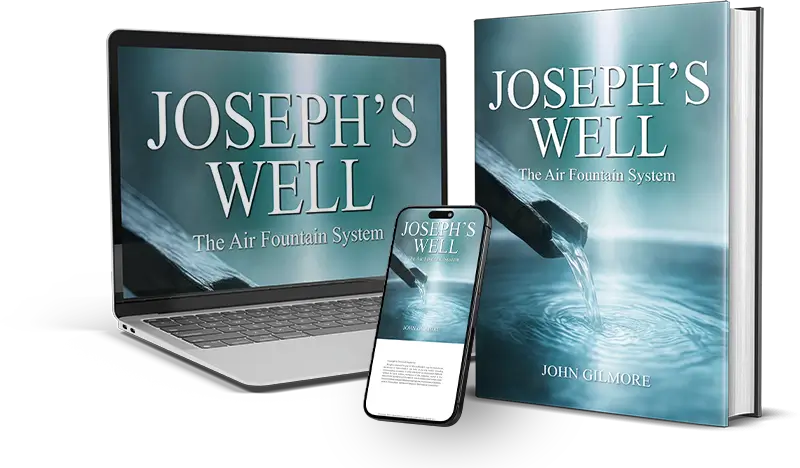
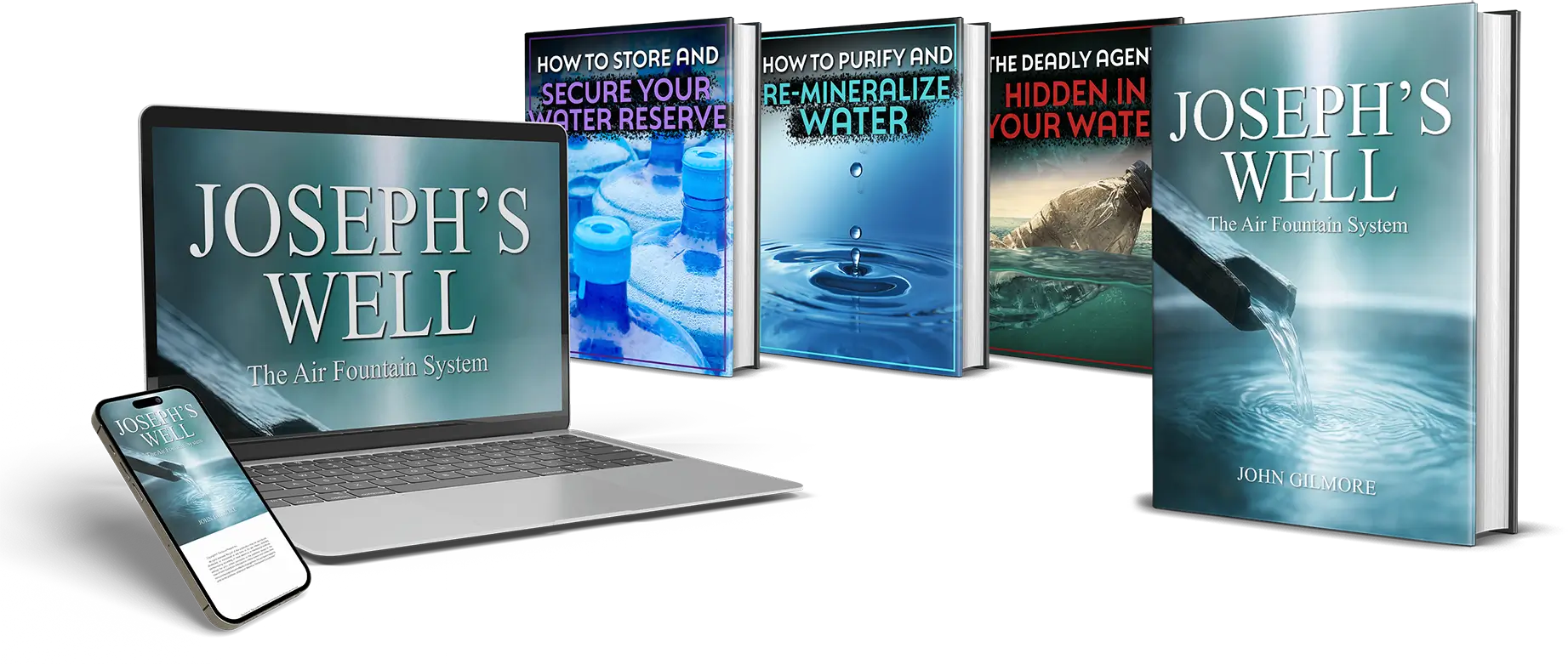
Joseph’s Well is marketed as a DIY guide for a personal atmospheric water generator with on-grid and off-grid power instructions. The advertised output and cost information are vendor claims and may vary substantially by local conditions and build quality.
If you are interested in this approach, read the Joseph’s Well review before making a purchase decision.
- Check local humidity before choosing an air-to-water system.
- Calculate daily watt-hours for fans, cooling, pumps, and treatment.
- Size solar panels, batteries, charge controllers, and inverters correctly.
- Use food-safe collection and storage components.
- Filter, disinfect, and test generated water before drinking it.
An off-grid atmospheric water generator can be a supplemental water source, but it should not replace stored emergency water. A cloudy week or low-humidity period can reduce production when you need it most.
If you want to explore the product information, you can view the Joseph’s Well guide details and compare them with simpler methods such as boiling, gravity filtration, and stored water.
When You Should Not Purify Water at Home
There are times when the safest answer is to avoid the water source completely. Home treatment methods are designed for certain biological and physical risks, not every chemical disaster.
If water has a fuel smell, oily surface, chemical odor, unusual color, or possible radioactive contamination, do not try to make it safe with boiling, bleach, sunlight, or a portable filter.
The CDC states that water containing harmful chemicals or radioactive materials cannot be made safe through ordinary household treatment methods. Use bottled water or an official alternate source instead.
- Do not use water exposed to fuel, solvents, pesticides, or industrial spills.
- Do not boil water that may release dangerous chemical vapors indoors.
- Do not mix bleach with other cleaners or chemicals.
- Do not drink water with unexplained oily film, strong odor, or unusual color.
- Follow local health-department instructions during floods and contamination events.
It is frustrating to discard water, especially when access is limited. But an unknown chemical source is not a DIY experiment.
When official bottled-water guidance is issued, follow it. Saving money is not worth risking your health.
Conclusion: Use Layers, Not One Magic Method
Knowing how to purify water without electricity gives you practical options during outages, storms, camping trips, and off-grid emergencies.
Boiling is dependable for many germs. Gravity filters remove particles and selected contaminants. Bleach and tablets provide chemical disinfection. Solar disinfection works in strong sunlight, while solar stills can distill small amounts of water.
Each method has limits. None removes every possible contaminant, and no treatment method can replace safe storage and good source selection.
Build your plan before you need it. Practice with clear water, label your containers, keep instructions with your supplies, and add an atmospheric water system only if it fits your climate and energy budget.
Sources and Further Reading
- U.S. Environmental Protection Agency: Emergency Disinfection of Drinking Water
- Centers for Disease Control and Prevention: Make Water Safe During an Emergency
- Centers for Disease Control and Prevention: Water Disinfection
- Centers for Disease Control and Prevention: Emergency Water Storage
- U.S. Geological Survey: The Water Cycle
- U.S. Environmental Protection Agency: Atmospheric Water Generation Technical Brief
- Joseph’s Well Review