
There’s something deeply satisfying about opening a jar of home-dried herbs and being hit by that fresh, garden-fresh aroma months later.
With the right storage methods, your carefully dried herbs can stay potent and flavorful for many seasons of teas, tinctures, and simple home remedies.
Many gardeners put time into growing and drying herbs but then lose quality by storing them incorrectly.
In this guide, you’ll learn how to store dried medicinal herbs step by step, including ideal containers, storage conditions, labeling systems, shelf-life expectations, and common mistakes to avoid.
Homemade herbal preparations are intended for general wellness and self-care, not as a replacement for medical diagnosis or treatment.
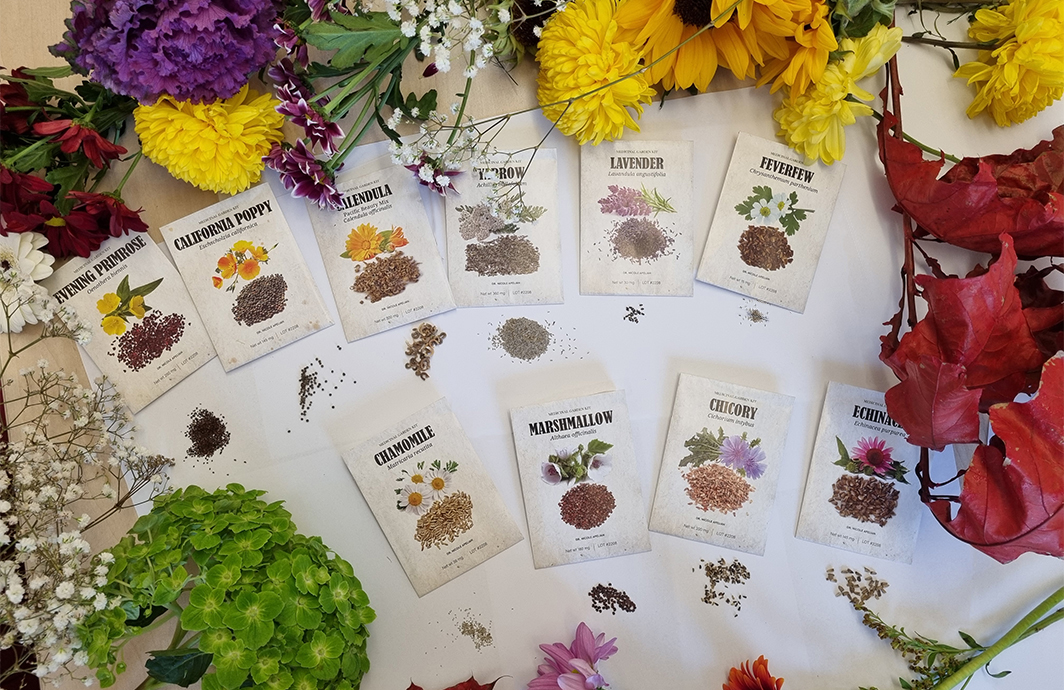
Gardeners who want a curated starting point may explore the Medicinal Garden Kit, which includes several popular medicinal herbs that benefit from proper storage.
Why Proper Storage Matters for Dried Medicinal Herbs
Storage conditions directly affect herb quality. Light, heat, moisture, and air can degrade aroma, flavor, and traditional potency over time.
Poor storage can lead to mold, mustiness, or pest infestation. I’ve had to toss whole batches because they went musty.
Faded color and weak aroma often signal lost quality. Musty or off-smelling herbs should be discarded.
Good storage offers longer shelf life for home-dried herbs. There’s better value for time and effort spent growing and drying.
You also get more reliable results in teas, infusions, and tinctures. Different herbs and plant parts have different sensitivities though.
Delicate flowers vs. tough roots need different care. Whole leaves vs. powdered herbs also vary.
Herbs from the Medicinal Garden Kit, such as calendula, chamomile, lavender, lemon balm, echinacea, and yarrow, all benefit from proper storage to maintain quality.
For a closer look at what’s included, read our full Medicinal Garden Kit review.
- Light, heat, moisture, and air degrade herb quality over time.
- Poor storage can lead to mold, mustiness, or pests.
- Good storage extends shelf life and improves value.
- Different herbs and plant parts have different sensitivities.
- Discard any herbs that smell musty or look moldy.
Best Containers for Storing Dried Medicinal Herbs

Airtight glass jars with tight-fitting lids are ideal. Mason jars or apothecary jars work well.
Dark glass or opaque containers protect from light. Metal tins with food-safe liners are a good alternative.
Glass is non-reactive and easy to clean. Dark glass reduces light exposure.
Airtight seals prevent moisture and air from entering. Clear glass in bright locations should be avoided unless stored in a dark cupboard.
Plastic bags for long-term storage can trap moisture and degrade. Cardboard or paper is only for short-term drying.
Ensure jars are completely dry before filling. Use funnel or spoon to avoid contaminating jar rims.
Consider using oxygen absorbers or food-safe desiccant packets for long-term storage. Proper containers help preserve the quality of herbs from the Medicinal Garden Kit across multiple seasons.
- Use airtight glass jars with tight-fitting lids.
- Dark glass or opaque containers protect from light.
- Avoid clear glass in bright locations.
- Don’t use plastic bags for long-term storage.
- Ensure jars are dry before filling with herbs.
Ideal Storage Conditions: Light, Temperature, and Humidity

Follow the “cool, dark, and dry” rule. Cool means avoiding heat sources like stoves, radiators, or direct sunlight.
Dark means storing in cupboards, pantries, or opaque containers. Dry means keeping away from sinks, dishwashers, and humid areas.
Room temperature is generally fine for most herbs. Avoid attics, garages, or sheds that experience extreme temperature swings.
Ideal relative humidity is low; damp conditions encourage mold. Use desiccant packets if you live in a humid climate.
UV light can degrade color and aroma over time. Dark glass or opaque storage helps protect sensitive herbs.
Delicate flowers (chamomile, calendula, lavender) are more light-sensitive. Roots and bark are generally more robust but still need dry conditions.
Storing Medicinal Garden Kit herbs in optimal conditions helps maintain their quality for teas, tinctures, and topical preparations.
-
- Store in cool, dark, and dry locations.
- Avoid heat sources and extreme temperature swings.
- Keep relative humidity low to prevent mold.
Use dark glass or opaque containers to block light.
- Delicate flowers need extra light protection.
Labeling and Organizing Your Dried Herb Collection

Labeling prevents confusion between similar-looking herbs. It also helps track harvest dates and shelf life.
Use waterproof labels or permanent marker on jar lids. Include herb name, plant part (leaf, flower, root), and harvest date.
Optional: add location grown or any special notes (e.g., “before flowering”). Group by plant part (leaves, flowers, roots) for organization.
Group by use (tea herbs, topical herbs, culinary-medicinal) if you prefer. Use shelves, baskets, or dedicated herb cabinets.
Practice “first in, first out” to use older herbs first. Periodically check stock and discard anything past its prime.
Clear labeling helps gardeners keep track of different herbs from the Medicinal Garden Kit, especially when multiple varieties are harvested in the same season.
- Label jars with herb name, plant part, and harvest date.
- Use waterproof labels or permanent marker.
- Group herbs by plant part or use for organization.
- Practice “first in, first out” to use older herbs first.
- Check stock periodically and discard old herbs.
Shelf Life of Dried Medicinal Herbs: What to Expect

Leaves and flowers are typically best within 6–12 months. Roots and bark can last 1–2 years or more if properly dried and stored.
Seeds often last 1–2 years when kept dry and airtight. Initial drying quality affects longevity.
Fully dry vs. slightly moist makes a big difference. Storage conditions (cool/dark/dry vs. warm/light/humid) also matter.
Container type (airtight vs. loosely sealed) affects shelf life. Check aroma: faded scent often indicates lost potency.
Inspect color: significant fading can signal degradation. Look for signs of moisture, mold, or pests.
Old herbs may be less effective but not necessarily harmful. Musty, moldy, or pest-infested herbs should be discarded.
With proper storage, herbs from the Medicinal Garden Kit can provide multiple seasons of use from a single planting.
- Leaves and flowers best within 6–12 months.
- Roots and bark can last 1–2+ years.
- Seeds often last 1–2 years when dry and airtight.
- Check aroma and color for quality assessment.
- Discard musty, moldy, or pest-infested herbs.
Common Mistakes to Avoid When Storing Dried Herbs

Storing herbs before they are fully dry is a common error. Using containers that aren’t airtight causes problems too.
Keeping jars in bright, hot, or humid locations degrades quality. Failing to label jars leads to confusion later.
Ignoring signs of mold, moisture, or pests is risky. Inspect stored herbs every few months.
Re-dry if any moisture is detected (if still safe). Discard anything that smells musty or looks off.
Keep similar-looking herbs separate and clearly labeled. Avoid assuming all “medicinal” herbs are safe for internal use without research.
Store in small, manageable batches. Match storage methods to the specific herb and plant part.
A well-structured starter kit and guide can help avoid some of these pitfalls by providing clear harvesting, drying, and storage instructions.
- Don’t store herbs before they’re fully dry.
- Use airtight containers for long-term storage.
- Keep jars in cool, dark, dry locations.
- Label jars clearly to avoid confusion.
- Inspect herbs regularly for mold or pests.
Signs Your Dried Herbs Have Gone Bad

Watch for musty, sour, or off odors. Visible mold, fuzz, or discoloration is a clear warning sign.
Clumping or caking due to moisture is bad. Presence of insects, webbing, or larvae means toss it.
When in doubt, throw it out. Do not try to salvage moldy herbs for internal use.
Clean and sanitize storage area to prevent spread. Herbs with faded aroma but no mold may still be safe but less potent.
Consider using borderline herbs for external purposes only (e.g., bath blends) if appropriate. Ensure herbs are fully dry before storage.
Use airtight containers and proper conditions. Check periodically for early signs of trouble.
Proper storage helps ensure that herbs from the Medicinal Garden Kit remain safe and usable for as long as possible.
- Musty, sour, or off odors indicate spoilage.
- Visible mold, fuzz, or discoloration means discard.
- Clumping or insects are clear warning signs.
- When in doubt, throw it out.
- Ensure herbs are fully dry before storage.
Turning Stored Herbs into Simple Home Remedies

Stored dried herbs can be used in many ways. Teas and infusions from leaves and flowers are common.
Decoctions work for tougher plant parts like roots and bark. Tinctures offer long-term storage.
Sachets and pillows with aromatic herbs like lavender and lemon balm are great. Simple topical preparations like infused oils and salves work well for external use.
Typical tea ratios are 1–2 teaspoons dried herb per cup. Steeping times vary for delicate vs. tough plant material.
Basic safety reminders about allergies and interactions matter. Patch-test new ingredients if using in skin-care projects.
Avoid using herbs if you have known plant allergies; consult a qualified healthcare professional for health concerns. Keep dried herbs away from moisture to help preserve quality.
The Medicinal Garden Kit’s included guide is promoted as covering methods for turning its herbs into preparations such as teas, infusions, tinctures, oils, salves, and poultices.
See whether the collection suits your garden goals in this detailed Medicinal Garden Kit review.
- Make teas and infusions from dried leaves and flowers.
- Use decoctions for tougher roots and bark.
- Try tinctures for long-term storage.
- Create sachets with aromatic herbs like lavender.
- Always patch-test and consult professionals for health concerns.
Conclusion
Learning how to store dried medicinal herbs properly is essential for maintaining potency and safety.
Use airtight, preferably dark glass containers. Store in cool, dark, and dry conditions away from heat and humidity.
Label jars clearly with herb name, plant part, and harvest date. Expect 6–12 months for leaves/flowers and 1–2+ years for roots/bark.
Avoid common mistakes like storing damp herbs or ignoring mold signs. A little attention to storage can turn your garden harvest into a reliable, year-round home apothecary.
Your future self will thank you when you open a jar months later and it still smells like summer.
Readers ready to create a larger medicinal herb garden can explore the Medicinal Garden Kit and read the complete Medicinal Garden Kit review before choosing their seeds.
Sources and Further Reading
- Medicinal Garden Kit – Product page with seed varieties and guide details.
- Medicinal Garden Kit Review – In-depth review of the kit’s contents and features.
- Herbalism – Wikipedia – General information on traditional herbal practices.
- Mount Sinai Health Library – Herbs – Overview of various medicinal herbs and their traditional uses.
- University of Minnesota Extension – Growing Herbs – Practical growing and harvesting tips for home herb gardens.