
Disclosure: This post contains affiliate links. If you buy through them, I may earn a commission at no extra cost to you.
Movies say every car dies the second an EMP hits. The most-cited government test says something quite different.
In lab tests, eight of 37 cars showed no reaction at all. Still, there’s plenty of fine print!
So, will cars work after an EMP? Let’s look at what the research says, what it doesn’t say, and what you can do about it.
The Short Answer: Most Cars Probably Would Run, But There’s No Guarantee
Here’s the quick version. In the biggest vehicle test on record, most cars kept working or only had minor glitches.
But the test used older cars, and the real-world strength of an EMP is uncertain. A Department of Energy report openly points out gaps in what we know about EMP effects.
- Parked cars: no effects were observed in the test cars that weren’t running
- Running cars: most had no problem or minor glitches, but a few stalled or were damaged
- Newer cars: uncertain, since the tests only covered vehicles built through 2002
What the EMP Commission Actually Tested
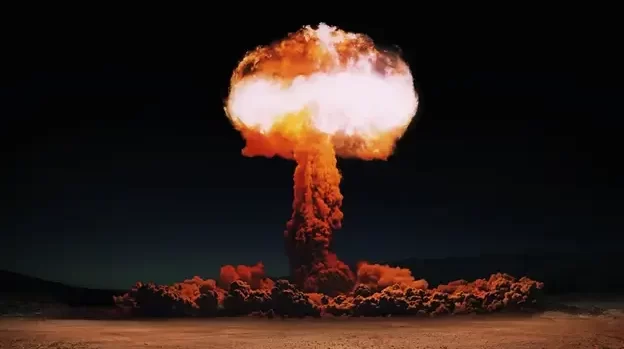
The test came from the congressional EMP Commission’s 2008 report. Researchers exposed 37 cars to simulated EMP in a lab, both with the engine on and off.
The cars were model years 1986 through 2002. Testing continued until a car reacted, or until the simulator hit its limit of about 50 kV/m.
- 8 cars had no reaction at all
- 25 cars had nuisance problems, like blinking dashboard lights
- 3 cars stalled at about 30 kV/m or higher, and the driver would need to restart them
- 1 car had dashboard electronics damaged and needed repair
- Cars that were off: no effects were seen
The Commission’s takeaway was that it expected few car effects at lower field levels. At higher levels, it said roughly 10 percent or more of cars could have serious problems, including stalling.
The Commission also expected that at least two out of three cars would show some nuisance response at those higher levels.
Why Modern Cars Are Harder to Predict

Here’s where I’d pump the brakes. The tested cars are now decades old, and today’s vehicles are packed with more electronics.
The Commission’s report notes that modern cars can have as many as 100 microprocessors, though it also points out that electromagnetic compatibility practices have grown along with them.
- Old test fleet: nothing newer than 2002 was tested
- Limited testing: each car was tested only until something upset it, and few reached the simulator’s maximum
- Funding limits: an electrical engineer who studied the test notes that the Commission borrowed the vehicles and had to return them in good condition
- Unknown real-world strength: a real EMP’s strength at your location is unpredictable
In other words, the results are encouraging, but they aren’t a promise for the car in your driveway.
The Bigger Problems: Crashes, Roads and Fuel
Even if your car starts, the drive might not be easy. The Commission warned that a car EMP effect could trigger crashes that damage many more vehicles than the pulse itself, according to Jalopnik’s summary of the report.
The report also points to a bigger issue: losing the power grid could make it hard to get fuel, as quoted in this SurvivalBlog excerpt.
- Crashes: stalled cars and dark traffic lights could block roads
- Fuel: gas pumps usually need electricity
- Traffic: even a working car may not get far
- Safety: driving may be riskier than staying put
So a running car is helpful, but it’s not a full plan.
Myth vs. Fact: Old Cars, Parked Cars and Spare Parts

Online, you’ll see a lot of confident claims. Let’s sort them out.
- Myth: every modern car is instantly “fried.” Fact: in the Commission’s tests, most cars survived with no or minor effects
- Myth: a parked car is totally safe. Fact: cars that were off showed no effects in those tests, but that was a lab test with limits
- Myth: an old pre-electronics car is guaranteed to run. Fact: simpler systems may help, but the Commission didn’t test vehicles that old
- Myth: a Faraday cage for a car is easy. Fact: it’s very hard to shield a whole car, so people usually protect spare parts instead, which is unproven
That last idea, storing spare electronic parts in a metal container, is popular with preppers. A physics demo from BCIT shows how metal blocks a radio signal, but nobody has proven a DIY container protects car parts from an EMP.
Practical Steps for Car Owners
You can’t control an EMP. But you can make your car part of a smarter plan.
- Keep the gas tank at least half full: that’s my rule of thumb, since pumps may be down
- Build a car kit: Ready.gov suggests keeping a smaller emergency kit in your car
- Carry paper maps and a hand-crank radio: they don’t depend on a phone
- Know your walking route home: sturdy shoes can matter more than a full tank
- Don’t build your plan around the car: have a plan for staying put
The best prep is the one that works whether the car starts or not.
That’s why many beginners also invest in skills that don’t depend on vehicles or power.
Beyond the Car: Skills That Don’t Need Fuel

If the roads fill up, you’ll want to know how to handle water, food, heat and light at home. That’s the idea behind BlastProof: David’s Shield.
According to the sales page, it’s $67 with a 60-day money-back guarantee, and it includes a section on vehicle hardening plus a DIY Faraday enclosure method.
I haven’t read inside the guide, and it can’t guarantee your car will run. Read my full David’s Shield review before you decide.
Frequently Asked Questions
Will cars work after an EMP?
Probably many would, based on lab tests of older cars. But newer cars weren’t tested, so there’s no guarantee.
Will a parked car be affected by an EMP?
In the Commission’s tests, no effects were observed in cars that weren’t running. That’s one lab test, so don’t treat it as a promise.
Are older cars safer from EMP?
Simpler electronics may help, but the Commission only tested model years 1986 through 2002. Cars from the 1960s and 70s weren’t part of that test.
How many cars stalled in the test?
Three of the 37 cars stalled at about 30 kV/m or higher. The Commission said drivers would need to restart them.
Can I protect my car from an EMP?
It’s very hard to shield a whole vehicle. Many preppers store spare parts in a metal container, but that isn’t proven.
Conclusion: Don’t Bet Everything on the Car
So, will cars work after an EMP? The best evidence says many probably would, but it’s based on older cars and limited testing.
Plan for both outcomes. Keep your tank filled, build a car kit, and learn skills that work even if the car doesn’t.
If you’d like a place to start, take a look at David’s Shield and use the guarantee to decide for yourself.
Sources and Further Reading
- Commission to Assess the Threat to the U.S. from EMP Attack: Critical National Infrastructures Report (2008)
- Jalopnik: How to Prepare Your Car to Handle an EMP, and Why You Shouldn’t Bother
- Futurescience: EMP Effects on Vehicles
- SurvivalBlog: EMP Commission Vehicle Test Excerpt
- DOE / OSTI: Strategies, Protections and Mitigations for Electric Grid from EMP Effects
- BCIT Physics Commons: DEM81 Faraday Cage Demonstration
- Ready.gov: Build a Kit
- LifeTranq: David’s Shield Review