
Disclosure: This post contains affiliate links. If you buy through them, I may earn a commission at no extra cost to you.
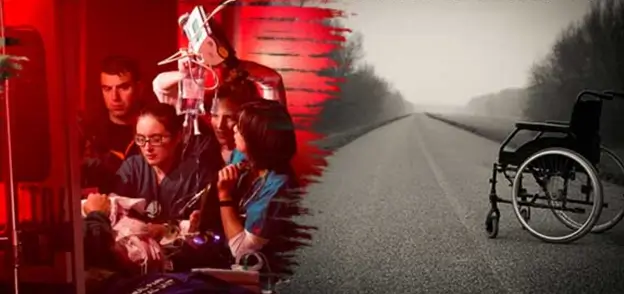
96 hours. That’s how much backup fuel hospitals are generally expected to plan for, according to engineering guidance on emergency power.
If the people who run life-support systems plan around a few days, so should the rest of us! The first 72 hours are when preparation matters most.
So, what happens after an EMP attack? Here’s a careful, hour-by-hour look, plus a simple plan you can use today.
First, a Reality Check: Nobody Knows Exactly What Would Happen

Before we dive in, an honest warning. Nothing below is a prediction, just a reasonable scenario.
DOE officials have said a high-altitude EMP could damage power equipment and affect grid reliability. The agency’s own report also admits gaps in what we know.
- What’s likely in any big outage: no power, then trouble with water, food, heat and communication
- What’s uncertain: how far it spreads, which devices fail and how long it lasts
- What DHS has said: an EMP or solar event could cause outages across wide areas for long periods
The good news is that the same steps help in any long blackout, from storms to grid failures.
Hour 0 to 1: The Lights Go Out
Your first hour is mostly about staying calm and getting oriented. Power is out, and you may not know why.
- Check on your family: make sure everyone is safe and accounted for
- Grab a flashlight: Ready.gov advises flashlights, not candles, because of fire risk
- Tune a battery or hand-crank radio: it’s one of the best ways to get news
- Keep the fridge shut: every open door lets cold air escape
- Don’t drive right away: traffic lights and other cars may be a problem
About cars: in lab tests of older vehicles, most kept running and three stalled. Results for newer cars are uncertain.
Hours 1 to 24: Water, Food and Communication Problems
The first day is when the “small” problems pile up. Let’s take them one at a time.
Food: the USDA says a closed fridge keeps food safe for about 4 hours. A full freezer can hold for around 48 hours, and a half-full one for about 24.
Water: power loss can hurt drinking water systems. The EPA warns that pressure loss can allow contaminants to enter the system.
- Drink stored water first, at least one gallon per person per day
- If tap water looks or smells off, treat it. The CDC says to boil it for 1 minute (3 minutes above 6,500 feet)
- Eat fridge food first, then freezer food
- Don’t taste food to check if it’s safe
Communication: phones and internet may be spotty or down. Hand-written contact lists and a family meeting spot become very handy.
Hours 24 to 48: Supplies Run Low

By day two, the novelty is gone. Food is shrinking, rooms are colder or hotter, and everyone is getting tired.
- Heat and cooling: dress in layers, or close off a small room to keep warmth in
- Fuel: gas pumps usually need electricity, so a car’s fuel may be limited
- Medicine: check your supply. For insulin, see the FDA’s emergency guidance
- Neighbors: check on older or ill neighbors
- Safety: don’t take shortcuts with fire or fuel
Here’s the most important safety point. The CDC says carbon monoxide kills more than 500 Americans each year. Never run a generator, grill or camp stove indoors, and don’t heat your home with a gas oven.
Learning non-electric ways to keep food and stay warm can make this stage much easier.
Hours 48 to 72: Facing a Long Outage
This is the point where you decide what’s next. Ready.gov’s planning goal is to be able to survive on your own for at least 72 hours, so supplies may start running out.
Backup power is also running down in the wider community. Hospitals are generally expected to plan for 96 hours of backup fuel or have a refueling plan, which shows how quickly emergency systems can come under strain.
- Ration smartly: plan your water and food for several more days
- Keep sanitation under control: wash hands, and handle waste safely
- Stay informed: keep listening to your radio for official updates
- Prepare for longer: reports on grid attacks mention outages lasting weeks, if not months, in the worst case
That last point isn’t meant to scare you. It’s a reminder to build skills and supplies beyond three days.
Your 72-Hour Action Plan: Do This Now
The best time to prepare is before anything happens. Here’s a simple checklist.
- Water: store at least a gallon per person per day for three days
- Food: keep several days of non-perishable food you like, plus a manual can opener
- Light and news: flashlights, extra batteries and a battery or hand-crank radio
- Health: a first aid kit and a few days of medicines
- Heat: blankets, hats and warm layers
- Papers and cash: ID copies and small bills in a waterproof bag
- Safe backups: a spare radio and phone in a Faraday-style metal container, though protection isn’t guaranteed
You can build this kit gradually. The Ready.gov kit list is a free place to start.
Beyond 72 Hours: Skills Beat Supplies
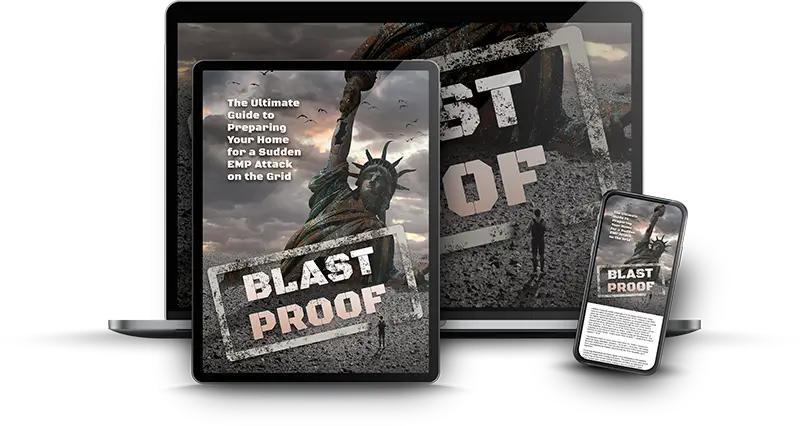
Supplies run out. Skills don’t. That’s why some beginners also look at a low-tech skills program like BlastProof: David’s Shield.
According to the sales page, it costs $67 with a 60-day money-back guarantee. It covers food preservation, water, heat and light, and home security.
I haven’t read inside the guide, and it can’t guarantee protection. Read my full David’s Shield review before you decide.
Frequently Asked Questions
What happens right after an EMP attack?
You’d likely see widespread power loss, and possibly problems with phones and electronics. Exact effects are uncertain, according to the DOE.
How long would the power be out?
No one knows. DHS has said an EMP or solar event could cause outages over wide areas for extended periods.
How much water do I need for 72 hours?
One gallon per person per day, for at least three days, according to Ready.gov.
How long will food last in my fridge?
About 4 hours if the door stays closed, per the USDA. A full freezer holds for about 48 hours.
What’s the most important thing to prepare first?
Start with water, food, light and a radio. Then add first aid, medicines and a family plan.
Conclusion: Use the First 72 Hours Wisely
So, what happens after an EMP attack? Likely power loss, then stress on water, food, heat and communication, but the exact details are uncertain.
The smart move is to prepare for any long blackout. Store water, stock food, keep a radio and light handy, and build a few low-tech skills.
If you’d like a place to start learning, take a look at David’s Shield and use the guarantee to decide for yourself.
Sources and Further Reading
- U.S. Department of Energy: Testimony Before the Senate Homeland Security Committee (2019)
- DOE / OSTI: Strategies, Protections and Mitigations for Electric Grid from EMP Effects
- GAO Testimony: Electromagnetic Threats to the Electric Grid (2015)
- WGBH: Small-Scale Attacks Could Bring Down U.S. Power Grid, Report Says
- Consulting-Specifying Engineer: Hospital Emergency Power Supply Systems
- EPA: Power Resilience Guide for Water and Wastewater Utilities
- Ready.gov: Build a Kit
- Ready.gov: Emergency Supply Kit
- Ready.gov: Power Outages
- USDA: Avoid Foodborne Illness During Temporary Power Outages
- CDC: Making Water Safe in an Emergency
- CDC: Avoiding Carbon Monoxide Poisoning
- FDA: Information Regarding Insulin Storage and Switching Between Products in an Emergency
- Make: Volume 82, EMP Protection chapter (O’Reilly)
- Wikipedia: Faraday Cage
- LifeTranq: David’s Shield Review