
If the power suddenly went out across a large part of the United States, how long would it take to come back? A few hours? Several days? Maybe longer?
The honest answer is that nobody can give one dependable number. The length of a major blackout would depend on what caused it, how much infrastructure was affected, and how quickly utilities could safely restore service. Let’s look at what past outages can teach us and, more importantly, how families can prepare for an extended power disruption without falling into panic or guesswork.
How Long Would a Nationwide Blackout Last?
A nationwide blackout could not be assigned a reliable, universal restoration time. The phrase itself can describe very different situations: a widespread outage affecting several regions, a major disruption to interconnected power systems, or a hypothetical event involving extensive damage to electricity infrastructure.
Those scenarios would not necessarily have the same consequences. A temporary interruption affecting many customers could be resolved relatively quickly, while an event involving extensive physical damage or difficult repair conditions could take much longer to recover from.

It’s useful to separate three broad possibilities:
- Short disruptions: Some outages last minutes or hours, especially when the underlying problem can be isolated and repaired quickly.
- Major regional outages: Severe storms and other emergencies can leave large numbers of customers without electricity for days. A smaller number of customers may wait longer when local damage is difficult to repair.
- Extended infrastructure disruptions: If major equipment is damaged or several supporting systems are affected, recovery can become a much longer process.
Historical data provides useful context, but it cannot predict a hypothetical nationwide event. For example, the U.S. Energy Information Administration reported that customers experienced an average of 11 hours of electricity interruptions during 2024. Major events, including Hurricanes Beryl, Helene, and Milton, accounted for about 80% of those hours.
That figure is an annual customer average, not the expected duration of a nationwide blackout. It does show how strongly major weather events can influence outage statistics. The EIA’s 2024 electricity interruption analysis provides a useful breakdown.
So, rather than planning around a prediction that power will return after a specific number of days, I recommend thinking in terms of household readiness for a multi-day outage, while considering whether your family has special needs that require additional planning.
What Determines How Quickly the Power Comes Back?
Restoring electricity is not simply a matter of switching a system back on. Utility operators must understand what happened, assess the condition of the equipment, and restore service in a controlled way.
Several factors can influence the timeline.
1. The cause of the outage
A localized equipment failure is different from a severe weather emergency or a widespread disruption involving multiple parts of the electricity system. The type of event determines what needs to be inspected, repaired, or replaced.
2. The amount of damage
If equipment can be repaired or isolated without extensive replacement, restoration may be faster. Serious damage to major electrical equipment can create a much more complicated recovery process.
3. Weather and physical access
Flooding, fallen trees, damaged roads, extreme temperatures, and continuing storms can prevent repair crews from reaching affected areas. Even when crews are available, conditions must be safe enough for them to work.
4. Equipment and replacement parts
Some electrical components are specialized. If a damaged item cannot be repaired and a suitable replacement is not readily available, the utility may face a longer recovery period.
5. Supporting infrastructure
Electricity restoration also depends on communications, transportation, fuel, and other services. A disruption affecting several of these systems at once can make the response more difficult.

The U.S. Department of Energy has explained that there is no standard restoration timeline for every major incident. Its assessment identifies factors such as damage levels, weather, population density, logistics, and the condition of other critical infrastructure as influences on recovery.
The report is older, from 2017, so it should be read as an explanation of restoration challenges rather than a current prediction. You can review the Department of Energy’s assessment of electricity disruption response for more detail.
Could a Major Blackout Last for Days or Weeks?
Yes, some customers can remain without electricity for days or even weeks after a severe event. But that does not mean every customer affected by a large outage will be without power for the same amount of time.
Past emergencies show why it is important to understand the difference between the first loss of power and the final restoration of every affected customer.
For example, the Department of Energy’s historical review of reported electricity disturbances from 2002 through April 2017 included several events in which outages continued for many days. Some affected millions of customers, while other long-duration events affected much smaller groups.
The report also explains that, in certain cases, electricity service can be restored before the utility has completed all equipment repairs. In other words, the electrical service may be back even though recovery work is still underway.
That distinction matters. A utility may restore most customers while continuing to repair damaged equipment or address isolated problems in difficult-to-reach areas.
The North American Electric Reliability Corporation (NERC) also measures restoration in ways that distinguish substantial recovery from the final remaining repairs. Its 2024 reliability assessment found that, across the large weather-related transmission events it studied, the time to restore 95% of outages was substantially shorter than the full event duration.
These findings do not tell us how long a hypothetical nationwide blackout would last. They do demonstrate why a single end date can be misleading. NERC’s 2024 State of Reliability assessment explains these restoration measures.
For families, the practical lesson is straightforward: don’t assume that because electricity has returned to one town, every nearby community has recovered. Local conditions can be very different.
Why Restoring the Power Grid Takes Time
When a large outage occurs, restoration generally happens in stages. Utility operators need to understand the condition of the system and coordinate repairs before service can be returned safely.
At a high level, the process includes:
- Assessing the situation: Operators and utility crews evaluate the extent of the disruption and identify the work needed.
- Making the system safe: Damaged equipment and hazardous conditions must be addressed before repair work can proceed.
- Repairing and stabilizing infrastructure: Crews work on affected equipment and the wider system is brought back into a stable operating condition.
- Restoring service: Electricity is returned in a controlled sequence, with attention to system conditions and customer needs.
- Completing remaining repairs: Some isolated problems may take longer, particularly when access is difficult or specialized equipment is needed.
This is one reason restoration may not look the same from one neighborhood to another. A hospital, a water facility, a residential street, and a remote property can have different power needs and restoration circumstances.
It is also worth remembering that power restoration must be safe. Rushing to reconnect equipment without checking system conditions could create additional problems.
For households, this means preparing for an uncertain timeline rather than expecting a perfectly predictable sequence. Your local utility and emergency management agency are the best sources for information about a real outage in your area.
What Happens to Everyday Life During an Extended Power Outage?
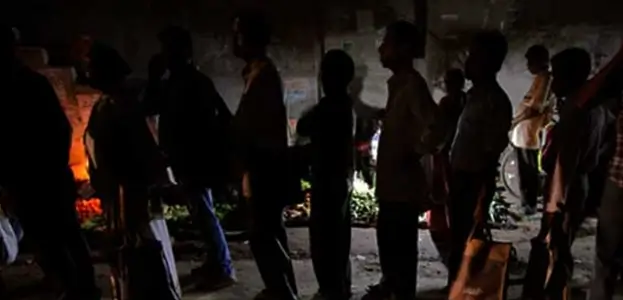
Most of us use electricity so constantly that we barely notice how many daily activities depend on it. A prolonged outage can affect much more than lights and television.
Water and sanitation
Some water systems depend on electric pumps and treatment equipment. If power or supporting infrastructure is disrupted, local authorities may issue water-use instructions or a boil-water advisory.
Don’t assume tap water is safe simply because it still flows. Follow guidance from your local water provider and public health department.
Food storage
Refrigerators and freezers cannot keep food cold indefinitely without electricity. The CDC advises keeping refrigerator and freezer doors closed as much as possible during an outage.
According to the CDC, an unopened refrigerator can keep food safely cold for up to four hours. A full freezer can maintain a safe temperature for about 48 hours, or about 24 hours if it is half full.
Communication and information
Phones may continue working for a while, but their batteries eventually run down. Mobile networks and home internet may also be affected if supporting power systems or communications infrastructure are disrupted.
A battery-powered or hand-crank radio can provide another way to receive emergency information. Keep important phone numbers and household contacts on paper, too.
Healthcare and medication
Some households rely on electricity for medical equipment, refrigerated medication, or other essential needs. If someone in your family depends on powered medical devices, speak with their healthcare provider about an outage plan before an emergency occurs.
Transportation and payments
Fuel pumps, traffic signals, elevators, ATMs, and electronic payment systems may be disrupted depending on the location and available backup systems.
Keeping some cash in small denominations and maintaining a vehicle with adequate fuel can be useful parts of a broader emergency plan.
For additional guidance, the CDC’s power outage safety guide covers food, water, medication, and other health concerns.
How to Prepare Your Family for a Multi-Day Blackout
You don’t need to turn your home into a survival compound to become better prepared. A practical household plan, built one step at a time, can make a difficult situation easier to manage.
I would start with the essentials and then improve the plan as your budget allows.
1. Store drinking water
Water should be near the top of your list. FEMA’s emergency kit guidance recommends planning for at least one gallon of water per person per day, while recognizing that individual needs can vary with age, health, activity, and climate.
Store water in clean, appropriate containers and check it regularly. Remember that water is also needed for cooking and basic hygiene.
2. Build a practical food supply
Choose foods your family already eats and knows how to prepare. Shelf-stable items can be easier to manage than foods that require refrigeration or complicated cooking.
- Canned vegetables, beans, fruit, and ready-to-eat meals.
- Nut butters, crackers, dried fruit, and shelf-stable snacks.
- Manual can opener and basic utensils.
- Food suitable for children, older adults, or household members with dietary needs.
- Pet food and supplies, if applicable.
3. Prepare lighting and communication supplies
Keep flashlights, spare batteries, and battery-powered lanterns in easy-to-find locations. A battery-powered or hand-crank radio can help you receive updates if other communication options become unavailable.
Consider a phone charging plan that includes charged power banks and suitable charging options. Test your equipment before you need it.
4. Plan for medical and personal needs
Make a list of prescription medications, medical devices, mobility needs, and other essential supplies. If someone depends on electricity for medical care, ask their provider and equipment supplier about backup arrangements and what to do if power is unavailable for an extended period.
5. Make a family communication plan
Choose an out-of-area contact, agree on a meeting place, and make sure everyone knows how to check in. Write down key phone numbers because a phone’s contact list may not be accessible if its battery dies.
The American Red Cross power outage guidance offers additional ideas for communication, food, water, and household planning.
How Much Emergency Power and Supplies Should You Have?
Backup power can make an extended outage more manageable, but it is easy to spend money on equipment before understanding what your household actually needs.
Start by listing the devices and appliances that matter most. Then decide which ones are essential, how often they need to run, and how much electricity they require.
Compare common backup power options
- Power banks: Useful for phones, small electronics, and basic communication needs. Check their actual capacity and charging compatibility.
- Portable power stations: These can support selected devices, depending on their battery capacity and output limits. They need a suitable way to recharge.
- Solar panels: Portable solar panels may help recharge compatible battery systems, but output depends on sunlight, panel capacity, placement, and weather.
- Fuel-powered generators: These can provide more substantial power for some households, but require appropriate fuel storage, maintenance, and strict safety precautions.
Don’t assume that a product can power every appliance in your home. Check the manufacturer’s specifications, starting and running power requirements, battery capacity, and operating instructions.

A sensible budget approach is to cover basic needs first:
- Drinking water and shelf-stable food.
- Flashlights, batteries, and a reliable radio.
- First-aid supplies and necessary medication.
- Phone charging and basic communication.
- Backup power for essential devices, if needed.
- Additional equipment based on your climate, home, and family circumstances.
Generator safety deserves special attention. The CDC warns that generators must never be operated inside a home, basement, or garage. They should be placed outdoors at least 20 feet from doors, windows, and vents, and households should use battery-powered or battery-backup carbon monoxide detectors.
Read the CDC’s generator and outage safety recommendations before using backup equipment.
Is David’s Shield Worth Exploring for Blackout Preparedness?
If you’re researching extended power outages, EMP concerns, household preparedness, or low-tech self-reliance, you may come across David’s Shield.
David’s Shield is promoted as an educational preparedness resource. It may appeal to readers who want an organized learning resource covering emergency planning and related preparedness topics, particularly those interested in a Christian-oriented approach.
However, it’s important to understand what you’re considering before making a purchase. An educational program is not a generator, battery system, emergency food supply, or physical protection for your home.
Before buying, I would encourage you to consider a few questions:
- Does the material cover the subjects you actually want to learn about?
- Are its recommendations supported by credible evidence and practical explanations?
- Can you realistically apply the instructions to your home and family?
- What additional equipment, supplies, or implementation costs might be involved?
- Does the program clearly distinguish established information from claims that are uncertain or difficult to verify?
It’s worth comparing any preparedness program with guidance from established emergency management and public health organizations. No course or guide can guarantee that your household will be protected from every possible emergency.
If you’d like to examine the program in more detail, you can read this David’s Shield review before deciding whether it fits your needs.
Frequently Asked Questions About Nationwide Blackouts
Could the entire United States lose power at once?
A truly nationwide loss of electricity is a hypothetical and highly complex scenario. The U.S. electricity system is made up of interconnected systems and many different operators, so a large outage does not automatically mean every state or community loses power simultaneously.
How long do major power outages usually last?
There is no single duration. Some outages last minutes or hours, while severe weather events can leave certain customers without power for days or longer. The cause, damage, weather, and repair conditions all matter.
Would power return to some states before others?
Restoration can happen at different times in different locations. Even within one region, some neighborhoods may regain service before others because the damage and repair requirements are not identical.
What should a family do during the first 24 hours?
Check for immediate safety hazards, follow official local updates, conserve phone battery, keep refrigerator and freezer doors closed, and check on household members who may need assistance. Use flashlights rather than candles when possible.
How can people stay informed if internet and mobile service are disrupted?
A battery-powered or hand-crank radio is a useful backup information source. Keep a paper list of emergency contacts and know which local agencies provide official emergency announcements.
Conclusion: Prepare for the Possibility, Not a Prediction
So, how long would a nationwide blackout last? There is no reliable number that applies to every hypothetical scenario. A major outage could involve a range of restoration timelines, depending on its cause, the extent of damage, and the resources available to repair the system.
Instead of trying to predict the exact duration, focus on what your family can control. Build a practical supply of water and food, plan for communication, understand your backup power options, and account for medical and personal needs.
You don’t have to do everything at once. Start with the essentials, improve your plan over time, and use credible information to guide your decisions. A little preparation today can make an uncertain situation easier to manage tomorrow.
Sources and Further Reading
- U.S. Energy Information Administration — Hurricanes in 2024 Led to the Most Hours Without Power in the United States in 10 Years
- U.S. Department of Energy — Assessment of Electricity Disruption Incident Response Capabilities
- North American Electric Reliability Corporation — 2024 State of Reliability
- Centers for Disease Control and Prevention — What to Do During a Power Outage
- American Red Cross — Power Outage Safety and Preparedness
- FEMA — Power Outage Emergency Kit Guidance