
Imagine waking up one morning, switching on the coffee maker, and realizing nothing works. No lights, no internet, no refrigerator. Even your phone might be useless if the outage lasts long enough.
Two threats often come up in conversations about a nationwide blackout: a powerful solar storm and an electromagnetic pulse (EMP). Both can disrupt modern technology, but they work in very different ways. So, when comparing solar flare vs EMP, which one presents the bigger threat to the electrical grid?
The answer isn’t quite as simple as choosing a winner. Let’s look at the science, historical events, potential consequences, and practical steps families can take to prepare for an extended power outage.
1. What Is the Difference Between a Solar Flare and an EMP?
 </su_frame]
Before comparing these two threats, we need to understand what they actually are. I’ve noticed that solar flares, solar storms, geomagnetic disturbances, and EMPs are often used interchangeably in online discussions. That’s confusing because they’re not the same thing.
A solar flare is an intense burst of electromagnetic radiation released by the Sun. It can affect radio communications, navigation systems, and other technologies, particularly on the sunlit side of Earth.
An EMP, on the other hand, is a short burst of electromagnetic energy that can interfere with or damage electronic equipment.
There are several important differences:
- Solar flare: A sudden release of electromagnetic radiation from the Sun.
- Coronal mass ejection (CME): A massive eruption of plasma and magnetic fields from the Sun that can trigger geomagnetic storms when directed toward Earth.
- Geomagnetic storm: A disturbance in Earth’s magnetic environment caused by solar activity.
- Nuclear EMP: An electromagnetic disturbance produced by a nuclear detonation, potentially at high altitude.
Here’s something worth remembering: a solar flare does not automatically cause a major power grid failure. The most significant threat to long transmission lines from solar activity generally comes from geomagnetic disturbances associated with CMEs.
According to NOAA’s Space Weather Prediction Center, solar flares and CMEs are distinct phenomena, although they can occur together.
Understanding this distinction makes the solar flare vs EMP comparison much more meaningful.
2. How a Powerful Solar Flare Can Affect the Electrical Grid

The Sun is essential to life on Earth, but it can also create problems for the technology we depend on. During periods of intense solar activity, enormous amounts of energy and charged particles can be released into space.
When a coronal mass ejection reaches Earth, it can disturb our planet’s magnetic field. These disturbances may generate electrical currents in long conductors, including power transmission lines.
Scientists call these currents geomagnetically induced currents (GICs).
Why should ordinary families care about something that sounds so technical?
Because GICs can interfere with the operation of large electrical transformers. Under certain conditions, they can cause transformer saturation, abnormal heating, increased reactive power consumption, and protective equipment to trip.
That can create problems across interconnected electrical networks.
The 1989 Quebec Blackout: A Real-World Warning
We don’t have to imagine what a powerful geomagnetic storm can do. We already have a real historical example.
On March 13, 1989, a powerful geomagnetic storm caused the Hydro-Québec electrical system in Canada to collapse. Approximately six million people lost electricity for around nine hours.
The disturbance happened rapidly, leaving grid operators with little time to respond.
According to the U.S. Geological Survey, the event produced geomagnetically induced currents that contributed to widespread power disruptions across the Hydro-Québec network.
This wasn’t a hypothetical doomsday scenario. It actually happened.
However, it’s important not to exaggerate the lesson. A nine-hour blackout doesn’t prove that every major solar storm will destroy transformers nationwide or cause years of darkness.
It demonstrates that extreme space weather can disrupt modern electricity infrastructure and deserves serious attention.
3. How a High-Altitude Nuclear EMP Could Damage the Power Grid
Now let’s look at the other side of the comparison.
A high-altitude electromagnetic pulse, commonly called HEMP, is associated with a nuclear detonation at high altitude. Unlike a solar storm, this is a human-caused threat.
A HEMP event can produce electromagnetic effects across a large geographic area, depending on the weapon, altitude, and other conditions.
Researchers commonly divide the effects into three components:
- E1: A very fast electromagnetic component that can create high-voltage stresses in electronic equipment and connected systems.
- E2: An intermediate component with similarities to certain lightning-related effects.
- E3: A slower component that can induce currents in long conductors, including electrical transmission networks.
Each component presents different engineering challenges.
The E1 component is particularly relevant to sensitive electronics, while E3 can affect large electrical systems through induced currents.
According to research published through the U.S. Department of Energy’s technical research archive, high-altitude EMP exposure can create significant electrical stresses in power transformers and their connected systems.
What Happens If the Electrical Grid Is Disrupted?
Modern society depends on a complicated network of interconnected systems. Electricity supports communications, water treatment, refrigeration, transportation, healthcare, and financial services.
A sufficiently severe and widespread disruption could therefore create problems far beyond the initial electrical failure.
For example:
- Cellular networks and internet services could experience interruptions.
- Water treatment and distribution systems could lose electrical power.
- Refrigerators and freezers could stop maintaining safe temperatures.
- Fuel stations could struggle to operate pumps and payment systems.
- Hospitals could become increasingly dependent on backup power.
- Businesses relying on electronic payment systems could face interruptions.
That said, an EMP does not automatically destroy every electronic device or cause every power station to fail. The actual consequences depend on exposure, equipment design, protective measures, and the resilience of individual systems.
4. Solar Flare vs EMP: Which Is More Dangerous to the Power Grid?
Here’s the comparison most people are looking for.
Both events can potentially cause serious electrical disruptions, but they affect infrastructure through different physical processes.
| Comparison | Solar Storm | Nuclear EMP |
|---|---|---|
| Origin | Natural solar activity | Human-caused nuclear event |
| Main mechanism | Geomagnetic disturbances and induced currents | Electromagnetic pulse components |
| Warning | Potential forecasting and monitoring | Little or no reliable public warning in some scenarios |
| Geographic impact | Depends on storm intensity and Earth’s magnetic environment | Depends on detonation conditions and other factors |
| Grid vulnerability | Long transmission lines and transformers | Electronic equipment and interconnected electrical systems |
| Historical example | 1989 Quebec blackout | No comparable full-scale national grid event |
| Nature of threat | Natural space weather | Human-caused electromagnetic disturbance |
Which One Should We Worry About More?
There isn’t a scientifically established universal winner.
Solar storms have an important advantage from a preparedness perspective: scientists monitor solar activity, and some potentially dangerous events can be forecast before their arrival at Earth.
A nuclear EMP presents a different challenge because it depends on a human-caused event, and warning time could be extremely limited.
For electrical infrastructure, the outcome of either event depends on its intensity, the characteristics of the grid, and the effectiveness of protective measures.
The Government Accountability Office (GAO) has noted that geomagnetic disturbances pose a genuine risk to the U.S. electrical grid, while also explaining that the severity and likelihood of major consequences remain uncertain.
My takeaway? We shouldn’t spend all our time arguing about which disaster is more frightening. A sensible household preparedness plan should work even when the cause of the blackout is completely different from what we expected.
5. What Would Happen During a Long-Term Power Grid Failure?
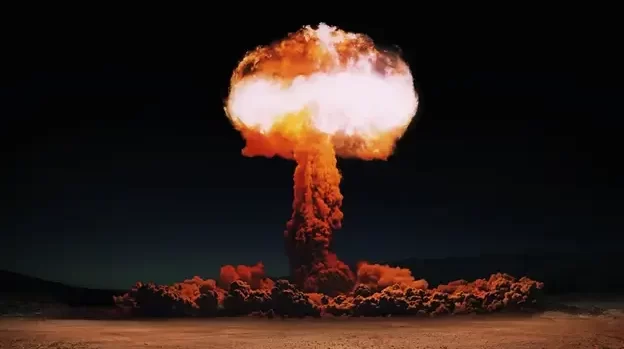
Most people think about a blackout as an inconvenience. The lights go out, the Wi-Fi stops working, and everyone waits for the utility company to restore service.
But what if electricity remained unavailable for several days or longer?
That’s when the consequences could become much more serious.
Food and Refrigeration
Refrigeration is one of the first household systems people notice during a prolonged outage.
Food that normally stays fresh for days may become unsafe if temperatures rise beyond recommended limits. Freezers also eventually lose their ability to maintain safe temperatures.
Learning traditional food preservation methods can provide additional options when electricity isn’t available.
- Understand home canning and safe preservation procedures.
- Keep shelf-stable food in a cool, dry storage area.
- Learn appropriate food dehydration techniques.
- Maintain a supply of ready-to-eat meals.
Water and Sanitation
Water is another major concern. Even if your home has running water today, municipal pumping and treatment systems may depend on electricity.
Keep drinking water available and understand how to make additional water safer when necessary.
- Store an emergency supply of drinking water.
- Learn how gravity-fed filtration systems work.
- Keep appropriate water disinfection supplies.
- Have a plan for sanitation if normal plumbing services are disrupted.
Communication and Medical Needs
Communication becomes harder when cellular networks, internet services, and charging facilities are unavailable.
Families should consider battery-powered or hand-crank radios, backup charging options, and an emergency contact plan.
People who rely on refrigerated medications or electrically powered medical equipment need a separate, medically approved contingency plan. Don’t assume traditional preservation techniques can safely replace prescribed storage requirements.
The Ready.gov power outage guidance provides a useful starting point for preparing for these everyday consequences.
6. How Can You Protect Your Electronics From an EMP?

One of the most common questions about EMP preparedness is whether ordinary households can protect their important electronics.
The short answer is that electromagnetic shielding is a real engineering concept. However, not every homemade solution offers reliable protection against every type of EMP exposure.
Understanding Faraday Cages
A Faraday cage is an enclosure made from conductive material that can reduce electromagnetic fields inside it under appropriate conditions.
You’ll often see people discussing metal containers, conductive mesh, and specially designed protective bags when researching EMP protection.
The basic idea is to create a conductive enclosure around sensitive equipment.
But there are several important details:
- The enclosure needs suitable conductive construction.
- Openings, seams, and gaps can affect shielding performance.
- Electrical connections and cables entering the enclosure can compromise protection.
- Shielding effectiveness depends on frequency and the construction of the enclosure.
- Equipment should be tested using appropriate methods rather than assumed to be protected.
A metal container is not automatically an EMP-proof enclosure. Likewise, a product advertised as EMP-proof should have credible testing evidence supporting that claim.
What Electronics Should You Consider Protecting?
Think about the devices that would actually help your family during an extended emergency.
- A basic battery-powered radio.
- Backup communication equipment.
- Essential charging equipment.
- Offline reference materials stored on suitable devices.
- Important electronic documents and information.
It’s also worth keeping printed copies of important information. A paper emergency contact list doesn’t need a battery or a protective electronic enclosure!
For additional background, the Department of Energy’s EMP resilience program explains how government and industry organizations approach electromagnetic pulse protection for energy infrastructure.
7. Why Low-Tech Preparedness Matters More Than Expensive Survival Gear
Here’s something I think gets overlooked in many discussions about solar flare vs EMP: protecting a few electronic devices is only one small part of surviving a prolonged power outage.
Imagine having a perfectly protected radio but no drinking water. Or a backup generator but no fuel. Perhaps you have an expensive solar power station but haven’t thought about what happens when its battery runs out.
Technology can be useful, but practical knowledge gives you more options.
This is where traditional low-tech household skills become valuable.
Learn to Preserve Food Without Electricity
Before modern refrigeration became common, families relied on techniques such as canning, drying, curing, and root cellaring.
These methods are still useful today, provided they’re performed according to established food-safety guidance.
Understand Water Collection and Filtration
Knowing how to collect and treat water can be extremely useful when normal utilities aren’t available.
Learn the difference between sediment filtration and disinfection. A simple filter does not necessarily remove viruses, dissolved chemicals, or every other contaminant.
Develop Alternative Cooking and Heating Skills
Cooking without electricity is another important skill. Outdoor cooking equipment, properly installed wood-burning appliances, and other suitable alternatives can provide options during an outage.
However, carbon monoxide is a serious danger. Never operate generators, charcoal grills, or outdoor cooking equipment inside a home, garage, or enclosed space.
Build a Household Security Plan
Security doesn’t have to begin with expensive electronics.
Good exterior lighting, strong door locks, clear communication between family members, and sensible home-security habits can make a meaningful difference.
The goal is to become more self-reliant, not to live in constant fear of a disaster.
8. David’s Shield: A Preparedness Guide for Families Concerned About EMPs
If you’ve been researching EMP threats and long-term blackouts, you’ve probably noticed how quickly the conversation turns toward expensive generators, survival equipment, and specialized protective devices.
But there’s another approach: learning how to manage essential household needs without depending entirely on electricity.
That’s the central idea behind BlastProof: David’s Shield, a digital preparedness program promoted around traditional Amish-inspired living skills, practical self-reliance, and Christian principles.
Rather than presenting itself simply as a collection of emergency gadgets, the program focuses on knowledge and household preparedness.
What Does David’s Shield Cover?
According to its official sales presentation, the program covers several areas related to EMP preparedness and off-grid living.
- Faraday shielding: An introduction to building a protective enclosure for selected electronics using household materials.
- Essential electronics: Identifying five electronic devices that may be useful in an emergency.
- Food preservation: Traditional methods for keeping food fresh without relying entirely on refrigeration.
- Medicine storage: Discussions of alternative approaches to medicine storage, which should be independently checked against medical guidance.
- Water security: Finding water sources and understanding gravity-based filtration approaches.
- Heat and lighting: Alternative household methods for providing warmth and illumination.
- Vehicle preparedness: Information about making vehicles more resilient to electromagnetic disturbances.
- Backup power: Common generator mistakes and alternative off-grid energy options.
- Household security: Low-tech approaches to home protection and deterrence.
The sales page also describes two bonus guides: Off-Grid Home Protection Systems and How to Make Your Own Pharmacy, along with access to a members’ support area.
Who Might Benefit From This Program?
I think the educational approach may appeal particularly to beginners who feel overwhelmed by the amount of information available about emergency preparedness.
It may also interest:
- Christian families interested in faith-based preparedness.
- Homesteading enthusiasts exploring traditional household skills.
- People who want to reduce dependence on electrical appliances.
- Beginner preppers looking for an organized learning resource.
- Families researching EMP preparedness and extended blackouts.
One important distinction: David’s Shield is an educational program, not a certified EMP protection device or a guarantee that your household will survive every grid failure scenario.
Its specific instructions, technical claims, and medical recommendations should be evaluated independently before implementation.
If you want to examine the program and its advertised contents, you can explore David’s Shield here.
For a more detailed assessment of the program, including its advertised features, pricing, and considerations for prospective buyers, read the David’s Shield review.
9. Create a Practical Family Emergency Preparedness Plan

Regardless of whether the next major power disruption comes from a solar storm, severe weather, equipment failure, or another cause, a practical family plan is worth having.
You don’t need to purchase everything at once. Start with the essentials and build your preparedness gradually.
Your Basic Household Preparedness Checklist
- Store at least one gallon of drinking water per person per day, following Ready.gov recommendations, with additional water for pets and special needs.
- Keep several days of shelf-stable food that your family actually eats.
- Maintain flashlights and spare batteries.
- Have a battery-powered or hand-crank emergency radio.
- Keep a properly stocked first-aid kit.
- Maintain an appropriate supply of essential medications and a medically approved storage plan.
- Keep printed emergency contacts and important documents.
- Plan alternative cooking methods with appropriate fire and carbon monoxide precautions.
- Know how to shut off household utilities when necessary.
- Discuss a family communication and meeting plan.
Prepare for Different Types of Emergencies
One mistake people sometimes make is preparing for only one specific disaster.
For example, an EMP-focused plan may emphasize electronic shielding, while a hurricane preparedness plan may focus on flooding and evacuation.
But many preparedness fundamentals overlap.
Stored food, safe drinking water, sanitation, first aid, communication, and alternative cooking methods can help during many different emergencies.
I’d prioritize those fundamentals before spending a large amount of money on specialized equipment.
For a free starting point, visit Ready.gov’s emergency supply kit guide.
10. Frequently Asked Questions About Solar Flares and EMPs
Can a solar flare cause a nationwide blackout?
A solar flare can disrupt radio communications, while an associated coronal mass ejection can trigger a geomagnetic storm that affects electrical transmission networks. A sufficiently severe event could cause widespread power disruptions, but a nationwide blackout is not an automatic consequence of every solar flare.
Is a solar storm the same as an EMP?
No. A solar storm is a natural space-weather event. A nuclear EMP is a human-caused electromagnetic disturbance. Both can affect electrical infrastructure, but their physical mechanisms and characteristics differ.
Which is more dangerous: a solar flare or a nuclear EMP?
Neither can be declared universally more dangerous. Their potential effects depend on event intensity, geographic coverage, infrastructure characteristics, and protective measures. A severe geomagnetic storm and a high-altitude nuclear EMP present different engineering challenges.
Can a Faraday cage protect electronics from an EMP?
A properly designed and tested Faraday enclosure can reduce electromagnetic exposure inside it. However, protection depends on construction, frequency, openings, connections, and the specific electromagnetic environment. No ordinary metal box should automatically be considered EMP-proof.
Would solar panels still work after an EMP?
Solar panels are not automatically destroyed by every EMP scenario. However, their associated inverters, charge controllers, wiring, batteries, and connected equipment may have different vulnerabilities. The survival of a solar panel alone does not guarantee that an entire solar power system will continue operating.
How long could a power outage caused by a solar storm last?
There is no single answer. Some disruptions may last hours, while damage to major electrical equipment could require longer repairs. The recovery period depends on the severity of the event, equipment availability, and the extent of infrastructure damage.
Is David’s Shield an EMP protection device?
No. BlastProof: David’s Shield is marketed as an educational preparedness program. It discusses EMP-related topics, Faraday shielding, and off-grid household skills, but it is not itself a physical protection device or a guarantee against EMP damage.
Is David’s Shield suitable for beginners?
According to its sales presentation, the program is designed for ordinary families and people without extensive preparedness experience. Prospective buyers should review its contents and assess whether the instructions meet their needs.
Conclusion: Don’t Wait for a Solar Storm or EMP to Prepare
When comparing solar flare vs EMP, both deserve attention, but neither should become a reason to panic. Solar storms have already demonstrated their ability to disrupt electrical systems, while nuclear EMP remains an important infrastructure resilience concern.
The smartest approach is to build practical household skills before an emergency happens. Learn food preservation, secure drinking water, prepare alternative lighting and cooking options, and create a family communication plan.
If you’re looking for an organized introduction to traditional self-reliance and Christian-oriented emergency preparedness, take a closer look at BlastProof: David’s Shield.
Remember, the goal isn’t to predict the next disaster. It’s to make sure your family has more options when the unexpected happens.
Sources and Further Reading
- NOAA – Space Weather Frequently Asked Questions
- NOAA – Space Weather: Storms from the Sun
- NOAA – Electric Power Transmission and Space Weather
- NASA – Solar Storms and Flares
- USGS – Geomagnetically Induced Currents and Geomagnetic Storms
- U.S. Government Accountability Office – Protecting the Electric Grid from Geomagnetic Disturbances
- U.S. Department of Energy – Electromagnetic Pulse Activities
- Sandia National Laboratories – High-Altitude EMP Effects on Power Transformers
- Ready.gov – Power Outages
- Ready.gov – Build an Emergency Supply Kit
- Lifetranq – David’s Shield Review
- Official David’s Shield Website