
Raised beds can turn even a compact patio or patchy lawn into a tidy, productive medicinal herb garden.
With the right raised bed, you get better drainage, easier weeding, and a dedicated space where your tea and remedy herbs can truly thrive.
Many beginners want to grow herbs like chamomile, calendula, lemon balm, and lavender but aren’t sure what size or style of raised bed actually works best.
In this article, you’ll learn the best raised garden beds for herbs, including ideal depth, materials, drainage, soil mix, and layout tips tailored to a medicinal herb garden.
This article focuses on gardening setup and best practices, not medical advice or treatment recommendations.
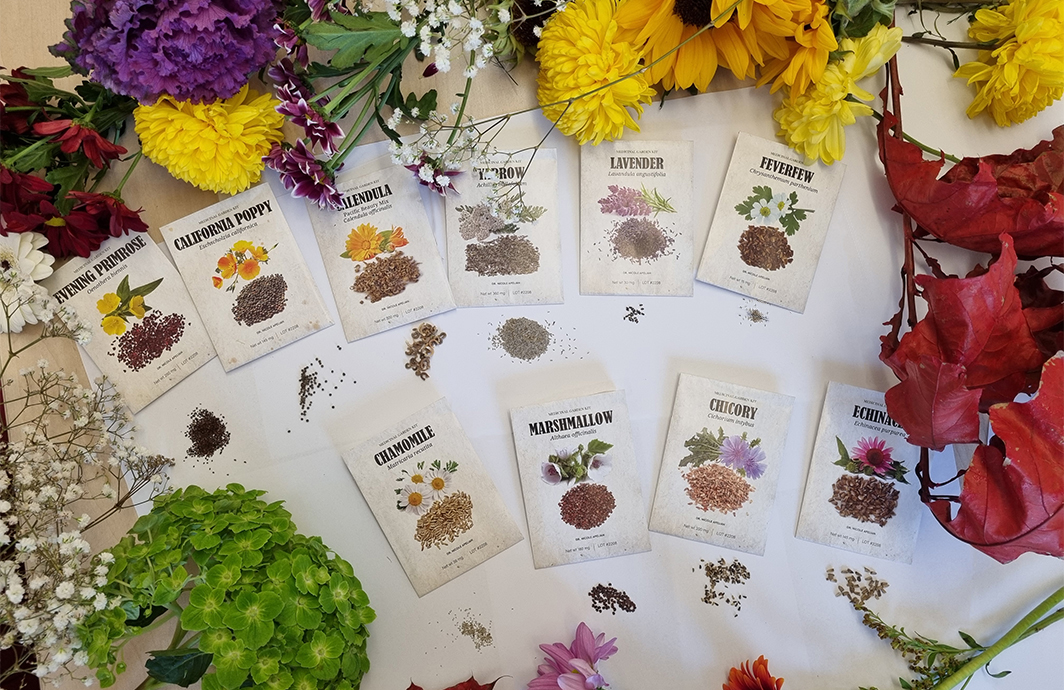
Beginners who want a curated starting point may explore the Medicinal Garden Kit, which includes non-GMO seeds for 10 medicinal herbs suitable for raised beds and containers.
Why Raised Beds Are Ideal for Medicinal Herb Gardens
Raised beds offer better drainage and root health compared to compacted ground soil. Warmer soil in spring can extend the growing season.
Easier access for planting, weeding, and harvesting means less bending. You choose the soil mix, which is crucial for herbs that dislike heavy, waterlogged soil (e.g., lavender, echinacea).
It’s easier to amend and refresh soil between seasons. Raised beds create clear growing zones, making it easier to group herbs by use (tea, topical, aromatic).
Neat, defined beds look better and can fit into small spaces or patios. Elevated or taller beds reduce strain on backs and knees.
Great for gardeners with mobility concerns or limited bending ability. Many medicinal herbs prefer well-draining soil and consistent care, which raised beds facilitate.
Easier to monitor plant health and harvest at the right time. Kits like the Medicinal Garden Kit include herbs that thrive in raised beds, such as chamomile, calendula, lavender, yarrow, and feverfew
- Raised beds improve drainage and root health.
- Warmer soil extends the growing season.
- Easier access reduces bending and strain.
- Clear zones help organize herbs by use.
- Many medicinal herbs thrive in raised bed conditions.
Ideal Raised Bed Size and Depth for Growing Herbs

Most herbs have relatively shallow root systems compared to deep-rooted vegetables. Extension resources suggest a minimum of 8–12 inches of soil depth for leafy crops and herbs; deeper (12–18 inches) is better for larger perennials. [barchart]
Standard width is 3–4 feet, allowing easy reach from both sides without stepping into the bed. Length can vary based on space; 4–8 feet is common for home gardens.
Elevated (tabletop) beds often hold 8–11 inches of soil, suitable for shallow-rooted herbs like basil, thyme, mint, chives, and calendula.
Ground-level raised beds can be deeper (12–18+ inches), better for larger perennials like echinacea, yarrow, or marshmallow. Deeper beds hold more soil, which retains moisture longer and supports larger root systems.
Shallow beds dry out faster and may need more frequent watering. For a mixed medicinal herb garden, aim for at least 12 inches of depth to accommodate both annuals and perennials.
If using elevated beds, prioritize shallow-rooted herbs and plan to water more often. The Medicinal Garden Kit includes a range of herbs with varying root depths, so bed depth should be chosen accordingly.
- Aim for 8–12 inches minimum depth for most herbs.
- Deeper beds (12–18 inches) suit larger perennials.
- Standard width is 3–4 feet for easy reach.
- Elevated beds work for shallow-rooted herbs.
- Deeper beds retain moisture longer.
Best Materials for Raised Herb Beds: Wood, Metal, Fabric, and More

Wood (cedar, redwood, untreated pine) offers a natural look, good insulation, and moderate durability; avoid treated wood with harmful chemicals. Metal (galvanized steel, corrugated metal) is modern, very durable, with excellent drainage; can heat up in hot climates.
Fabric (grow bags, fabric beds) is affordable, with excellent drainage and aeration, portable; less durable, may need replacement every few seasons. Composite or recycled plastic is long-lasting, low maintenance, no rot; can be more expensive and less breathable.
Wood is traditional and insulates roots well but may rot over time. Metal is durable and sleek but may require extra watering in hot weather.
Fabric is great for drainage and aeration but may not support large perennials long-term. Composite is low-maintenance but may not suit all budgets.
Avoid old railroad ties or pressure-treated wood that may leach chemicals. Ensure any metal beds are food-safe and properly coated.
Herbs like lavender and echinacea benefit from excellent drainage, making metal or fabric good options. Perennials with larger root systems may do better in deeper wood or composite beds.
The Medicinal Garden Kit includes herbs that can adapt to various bed types, but drainage and soil quality remain key.
- Wood offers natural look and insulation but may rot.
- Metal is durable with excellent drainage but can heat up.
- Fabric provides great drainage but less durability.
- Composite is long-lasting but may cost more.
- Choose food-safe, durable materials for long-term beds.
Drainage, Soil Mix, and Filling Your Raised Bed for Herbs

Raised beds naturally drain better than ground soil, but proper setup is still crucial. Avoid adding gravel or rocks at the bottom, which can create a “perched water table” and worsen drainage.
Ensure beds have open bottoms (if on soil) or adequate drainage holes (if on hard surfaces). A well-draining mix is key: many extension services recommend a 1:1 ratio of compost to soilless growing mix for raised beds.
For deeper beds (16+ inches), up to 20% topsoil can be added to the mix. [bloomingexpert] Avoid heavy clay or pure garden soil, which can compact and reduce drainage.
Beds shallower than 12 inches should ideally have no bottom, allowing roots to access native soil below. [extension.purdue](https://www.extension.purdue.edu/extmedia/ho/ho-200.pdf) Till or loosen the soil beneath the bed 6–12 inches before filling to encourage deep rooting. [extension.purdue]
Herbs like lavender, echinacea, and yarrow thrive in well-draining, slightly leaner soils. Moisture-loving herbs like marshmallow may need more compost and consistent watering.
The Medicinal Garden Kit includes herbs with varying soil preferences, so a balanced, well-draining mix works best for a mixed bed.
- Avoid gravel at the bottom of raised beds.
- Ensure open bottoms or adequate drainage holes.
- Use a 1:1 compost to soilless mix ratio.
- Add up to 20% topsoil for deeper beds.
- Till soil beneath bed to encourage deep rooting.
Layout and Spacing Tips for a Productive Medicinal Herb Raised Bed

Group herbs by height: taller perennials (echinacea, yarrow) in the center or back, shorter annuals (chamomile, calendula) toward the edges. Group by water needs: drought-tolerant herbs (lavender, thyme) together; moisture-loving herbs (marshmallow, lemon balm) in another zone.
Group by use: tea herbs in one section, topical/salve herbs in another, aromatic herbs in a third. Follow seed packet or plant tag spacing recommendations to avoid overcrowding.
Allow room for air circulation to reduce fungal issues, especially in humid climates. Plant quick-growing annuals (calendula, chamomile) between slower perennials to maximize space.
Succession sow every few weeks for continuous harvests of annual herbs. A well-planned layout makes harvesting easier and reduces the risk of accidentally pulling the wrong plant.
Clear zones help you remember which herbs are for tea, which are for topical use, etc. The Medicinal Garden Kit includes a mix of annuals and perennials, so thoughtful spacing and layout are important for long-term success.
See whether the collection suits your garden goals in this detailed Medicinal Garden Kit review.
- Group herbs by height, water needs, and use.
- Follow spacing recommendations to avoid overcrowding.
- Allow room for air circulation to reduce disease.
- Interplant annuals between perennials for space efficiency.
- Succession sow for continuous harvests.
Common Mistakes to Avoid When Building Raised Beds for Herbs

Building beds too shallow for the intended herbs (less than 8–12 inches). Using poor-quality or compacted soil that reduces drainage.
Adding gravel or rocks at the bottom, which can worsen drainage. [11] Overcrowding plants, leading to poor air circulation and disease.
Choosing materials that leach chemicals or rot quickly. Poor drainage can lead to root rot, especially for herbs like lavender and echinacea.
Shallow beds dry out quickly, stressing plants and reducing yields. Overcrowded beds are harder to weed, water, and harvest.
Aim for at least 12 inches of soil depth for mixed herb beds. Use a well-draining soil mix (compost + soilless mix).
Follow spacing recommendations and thin seedlings as needed. Choose food-safe, durable materials for long-term beds.
Proper setup from the start saves time, money, and frustration later. Healthy, well-spaced herbs produce better harvests for tea and remedies.
Clear guides (like those included with the Medicinal Garden Kit) can help beginners avoid common pitfalls.
- Avoid beds shallower than 8–12 inches.
- Don’t use poor-quality or compacted soil.
- Avoid adding gravel at the bottom.
- Don’t overcrowd plants; follow spacing recommendations.
- Choose food-safe, durable materials.
Conclusion
Choosing the best raised garden beds for herbs sets the foundation for a productive, low-stress medicinal herb garden.
Raised beds offer better drainage, easier access, and improved soil control. Aim for at least 8–12 inches of soil depth for most herbs; deeper for larger perennials.
Choose materials (wood, metal, fabric, composite) based on durability, drainage, and budget. Use a well-draining soil mix and avoid common mistakes like adding gravel at the bottom.
Plan your layout by height, water needs, and herb use for easier care and harvesting. You don’t need a huge yard or fancy equipment to start.
A well-built raised bed, good soil, and a few herb seeds are all you need to grow your own backyard pharmacy. Readers who want a simple, curated starting point can explore the Medicinal Garden Kit and read the detailed Medicinal Garden Kit review to see if it fits their raised bed herb garden goals.
Sources and Further Reading
- Medicinal Garden Kit – Product page with seed varieties and guide details.
- Medicinal Garden Kit Review – In-depth review of the kit’s contents and features.
- OSU Extension: Raised Bed Gardening – Practical tips for raised bed setup and soil preparation.
- University of Maryland Extension: Soil to Fill Raised Beds – Recommendations for soil mixes in raised beds.
- MU Extension: Raised-Bed Gardening – Overview of raised bed benefits and design options.