

There’s something magical about stepping outside, snipping a few fresh leaves or flowers, and brewing a cup of tea you grew yourself!
The best herbal tea garden seed kits make it easy to turn that dream into reality, even if you’ve never planted a single seed before.
More people are interested in growing their own herbs for tea and simple home remedies but feel overwhelmed by seed choices and kit options.
In this article, you’ll discover the best herbal tea garden seed kits available, including what to look for, which herbs are easiest to grow, and how to get the most out of your home tea garden.
This article focuses on gardening and product comparisons, not medical advice or treatment recommendations.
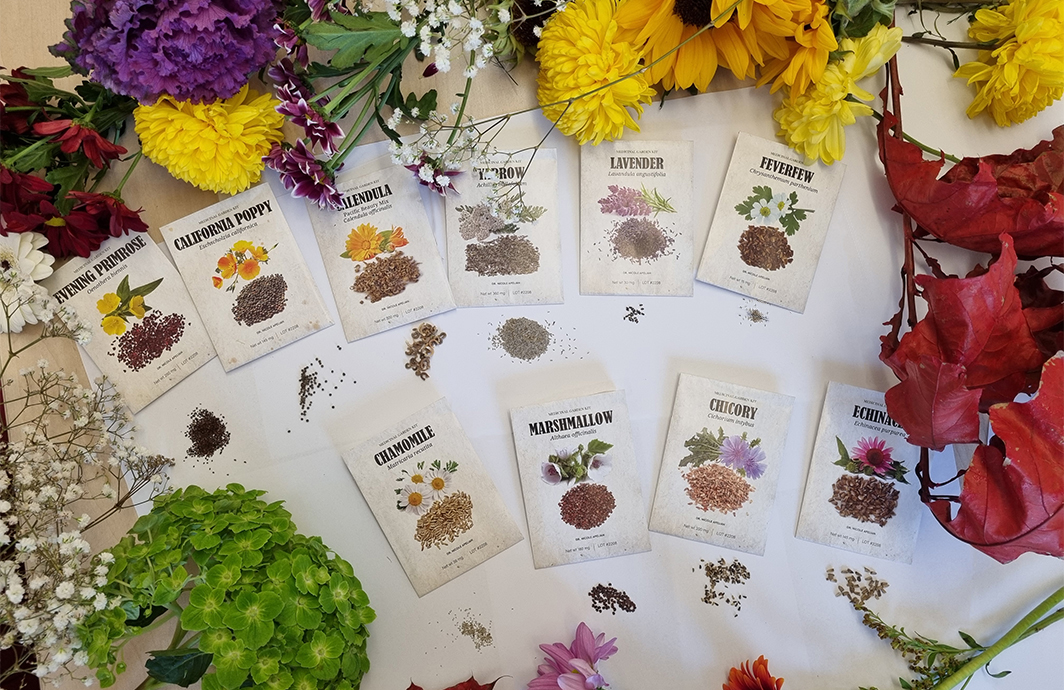
Beginners who want a curated starting point may explore the Medicinal Garden Kit, which includes non-GMO seeds for 10 medicinal herbs suitable for tea and home remedies.
Why Choose an Herbal Tea Garden Seed Kit?
Kits bundle multiple tea-friendly herbs in one purchase, saving time on research and ordering. Often include basic growing instructions tailored to the included varieties.
Kits can be more cost-effective than buying many individual seed packets. Reduced shipping costs compared to multiple separate orders.
Curated selections reduce the risk of choosing incompatible or overly difficult herbs. Some kits group herbs with similar growing needs, simplifying garden planning.
Reputable kits often source seeds from trusted growers. Better chance of consistent germination and plant quality across varieties.
Less customization compared to picking each seed yourself is a downside. Some kits may include herbs you don’t actually want or need.
Ideal for creating a balanced tea garden with a range of flavors and uses (calming, digestive, aromatic). Kits like the Medicinal Garden Kit aim to provide a well-rounded selection of herbs with accompanying cultivation and usage guidance.
- Kits save time on research and ordering multiple seeds.
- Often more cost-effective than buying seeds separately.
- Curated selections reduce beginner mistakes.
- Reputable kits source from trusted growers.
- Ideal for balanced tea gardens with diverse flavors.
What to Look for in a Quality Herbal Tea Garden Seed Kit

Key criteria include seed types: organic, non-GMO, heirloom, hybrid—what’s included and what it means. Variety selection matters too.
Check which herbs are included and whether they match your tea preferences. Seed count per variety affects succession planting options.
Growing instructions should be clear, detailed, and tailored to each herb. Packaging and labeling need clear names, botanical names, sowing info, viability dates.
Certification and labeling: USDA Organic certification vs. self-declared “organic.” Non-GMO claims and whether they’re third-party verified.
Heirloom/open-pollinated vs. hybrid distinctions matter for seed savers. Climate suitability (cool-season vs. warm-season herbs) is crucial.
Space requirements (compact herbs vs. larger perennials) affect planning. Annual vs. perennial mix determines long-term garden structure.
Some kits include planting calendars, harvesting guides, or tea recipe ideas. Access to online support, videos, or community groups adds value.
When evaluating options like the Medicinal Garden Kit, look for clear non-GMO declarations, detailed growing instructions, and a diverse herb selection that fits your space and climate.
- Check seed types: organic, non-GMO, heirloom, hybrid.
- Ensure herb varieties match your tea preferences.
- Look for clear, detailed growing instructions.
- Verify certification and labeling claims.
- Consider climate and space requirements.
Best Herbs to Include in Your Home Tea Garden

Here are the best beginner-friendly herbs for tea gardens. Chamomile – gentle, apple-scented flowers; classic calming tea; easy annual.
Lemon balm – citrus-scented leaves; uplifting tea; vigorous perennial. Peppermint/Spearmint – refreshing leaves; digestive support; fast-growing perennial (best in containers).
Lavender – aromatic flowers; calming blends; needs well-draining soil. Calendula – bright petals; mild, slightly peppery tea; easy annual.
Yarrow – traditional herb; bitter-tonic tea; tough perennial. Feverfew – daisy-like flowers; traditional wellness herb; reseeds easily.
Bergamot/Bee Balm – citrusy leaves; aromatic tea; attracts pollinators. Each herb offers different benefits: growth habit (annual/perennial), basic care level (low-maintenance), and common tea use (calming, digestive, aromatic).
Some herbs require more patience or specific conditions (e.g., echinacea needs stratification, marshmallow needs consistent moisture). Several of these tea-friendly herbs—chamomile, lemon balm, lavender, calendula, yarrow, and feverfew—are included in the Medicinal Garden Kit’s 10-herb collection.
- Chamomile: gentle annual flowers for calming tea.
- Lemon balm: vigorous perennial with citrus scent.
- Peppermint: refreshing perennial for digestive support.
- Lavender: aromatic perennial needing good drainage.
- Calendula: easy annual with bright petals.
Top Herbal Tea Garden Seed Kits Compared

Kit A (example: Medicinal Garden Kit) – 10 non-GMO herbs including chamomile, lemon balm, lavender, calendula, yarrow, feverfew; includes growing guide; suitable for beginners wanting variety.
Kit B (example: Organic Tea Garden Collection) – Certified organic seeds; focuses on classic tea herbs like chamomile, peppermint, lemon verbena; may have fewer varieties but all certified organic.
Kit C (example: Heirloom Tea Herb Bundle) – Open-pollinated/heirloom varieties; ideal for seed savers; may include less common tea herbs like anise hyssop or catnip.
For each kit type, consider number of herb varieties included. Seed type (organic, non-GMO, heirloom) matters for different gardeners.
Included resources (guides, calendars, recipe ideas) add value. Approximate price range and value per herb should be compared.
Best suited for (beginners, organic-focused gardeners, seed savers). Broad variety kits offer more experimentation but may include some challenging herbs.
Organic-certified kits appeal to strict organic gardeners but may cost more. Heirloom kits support seed saving but may have less uniform growth.
The Medicinal Garden Kit positions itself as a broad, non-GMO collection with 10 herbs and a comprehensive guide, making it a strong option for beginners who want variety without overthinking seed selection.
- Compare number of herb varieties in each kit.
- Check seed type: organic, non-GMO, or heirloom.
- Look for included guides, calendars, and recipe ideas.
- Consider price range and value per herb.
- Match kits to your gardening goals and experience level.
How to Start Your Herbal Tea Garden from a Seed Kit

Read the seed packet fully before planting (depth, spacing, light needs). Start with a few herbs rather than the whole collection at once.
Use quality potting mix for containers; amend garden soil if needed. Keep soil consistently moist until germination.
Avoid overwatering established plants; most tea herbs prefer well-draining soil. Most tea herbs need full sun (6+ hours) for best growth.
A few, like lemon balm and mint, tolerate partial shade. Deadhead flowers to encourage more blooms.
Watch for pests and use gentle, garden-appropriate methods. Harvest regularly to encourage bushier growth.
Keep a simple garden journal to track what works and what doesn’t. The guide included with the Medicinal Garden Kit is promoted as covering basic planting and care instructions for its 10 herbs, which can help beginners avoid early mistakes.
See whether the collection suits your garden goals in this detailed Medicinal Garden Kit review.
- Read seed packets fully before planting.
- Start with a few herbs instead of the whole collection.
- Use quality potting mix and well-draining soil.
- Most herbs need full sun; a few tolerate partial shade.
- Keep a simple garden journal to track results.
Common Mistakes to Avoid When Buying Tea Garden Seed Kits

Frequent beginner mistakes: Buying a kit without checking if the herbs suit your climate or space. Assuming all included herbs are safe for internal use without research.
Ignoring sowing instructions (depth, spacing, light requirements). Starting all seeds at once instead of succession planting.
Overlooking seed viability dates and storage recommendations. Poor germination, weak plants, or no harvest before frost can result.
Wasted money and frustration follow. Potential safety issues if herbs are used incorrectly.
Simple fixes: Read the entire kit description and instructions before planting. Cross-check herb safety and uses with reputable sources.
Keep a simple garden journal to track what works. Store leftover seeds properly (cool, dry, airtight) for next season.
Even experienced gardeners make mistakes with new kits. It’s normal to learn through trial and error.
Good kit instructions plus your own observations = best results over time. Clear, beginner-friendly instructions (like those included with the Medicinal Garden Kit) can reduce confusion while you build your skills.
-
- Check if herbs suit your climate and space before buying.
- Research herb safety before internal use.
- Follow sowing instructions for depth, spacing, and light.
Practice succession planting instead of starting all at once.
- Store leftover seeds properly for next season.
Conclusion
Choosing the best herbal tea garden seed kits can jumpstart your home remedy garden with less guesswork and better results.
Kits offer convenience, cost savings, and curated selections ideal for beginners. Look for clear labeling (organic, non-GMO, heirloom), good variety, and detailed instructions.
Match kits to your goals: organic certification, seed saving, small spaces, or general wellness. Compare price, seed count, and reviews to assess true value.
Avoid common mistakes by reading instructions, researching herb safety, and tracking your results. You don’t need a huge garden or years of experience to start.
Pick a kit that fits your space and goals, follow the instructions, and learn as you grow. Readers who want a simple, curated starting point can explore the Medicinal Garden Kit and read the detailed Medicinal Garden Kit review to see if it fits their garden and herbal goals.
Sources and Further Reading
- Medicinal Garden Kit – Product page with seed varieties and guide details.
- Medicinal Garden Kit Review – In-depth review of the kit’s contents and features.
- Herbal tea – Wikipedia – General information on herbal tea and common ingredients.
- University of Minnesota Extension: Growing Herbs – Practical tips for starting and maintaining a home herb garden.
- WebMD: The Benefits of Herbal Teas – Overview of popular herbal teas and their traditional uses.