
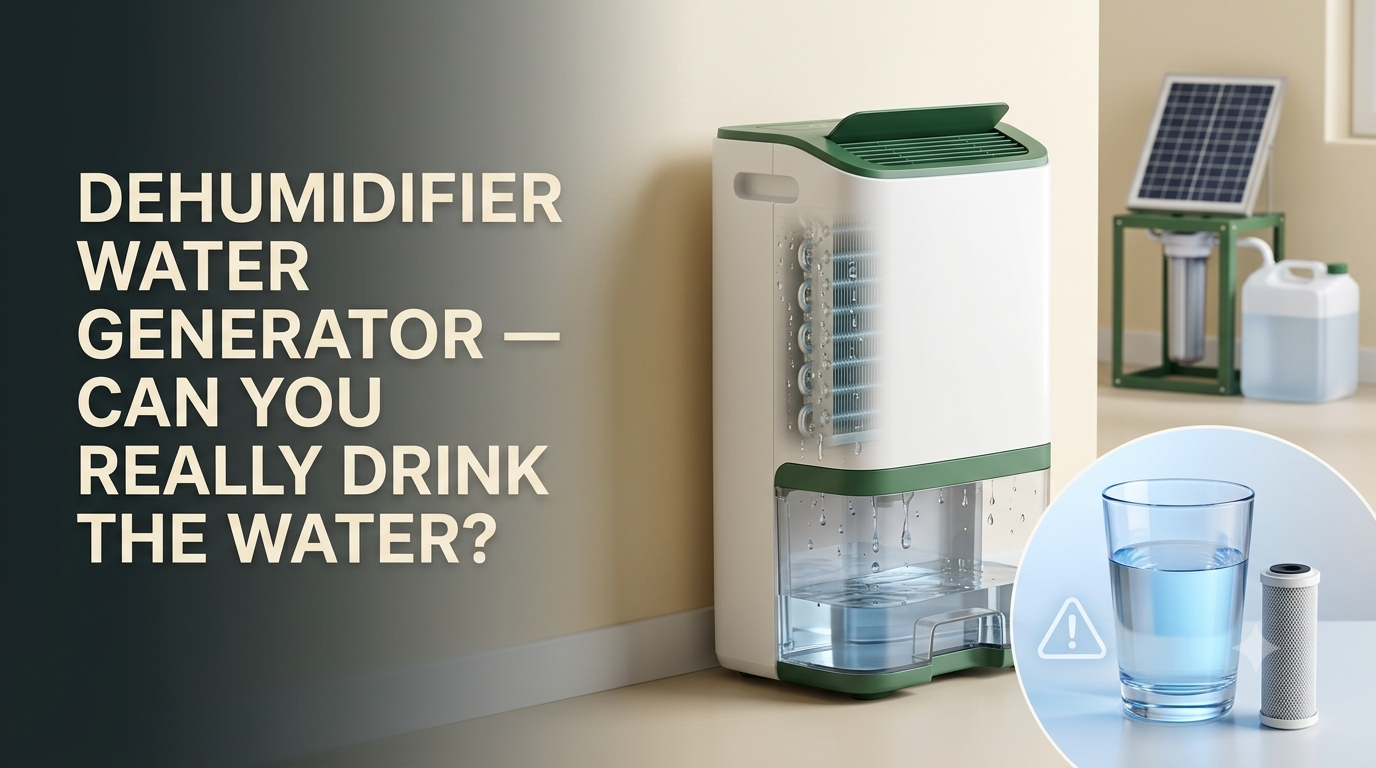
A dehumidifier water generator sounds almost too good to be true. The machine pulls moisture from the air, fills a bucket with water, and suddenly it seems like you have a free backup water source sitting in the basement.
I get why people ask if they can drink it. During humid weather, a dehumidifier can collect several gallons of water in a day. Watching that bucket fill makes you think, “Well, it looks clean enough.”
But clear water is not automatically safe water.
The short answer is this: do not assume water collected from a standard household dehumidifier is safe to drink. The water can pick up dust, mold, bacteria, metals, and residues from the unit’s coils, drain pan, tubing, and collection bucket.
This guide explains how dehumidifier water is made, why it is different from bottled or distilled water, what you can safely use it for, and how a properly designed atmospheric-water system differs from a basic appliance bucket.
What Is a Dehumidifier Water Generator?
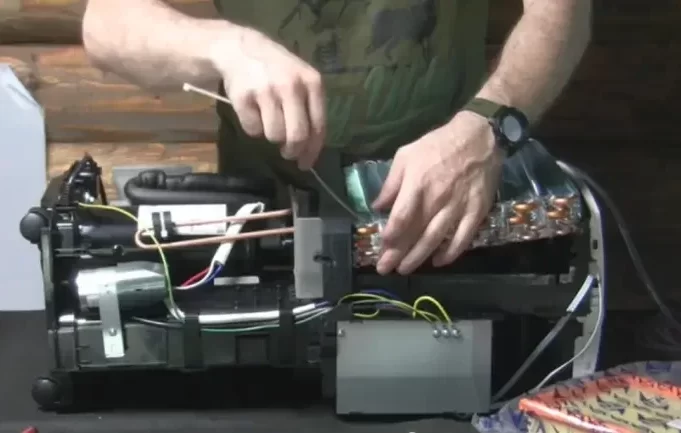
A dehumidifier water generator is simply a dehumidifier used to collect water condensed from humid air. Most household dehumidifiers pull warm air across cold coils, which causes water vapor in the air to turn into liquid droplets.
Those droplets run into a drip pan and then into a removable bucket, drain hose, or pump reservoir. It is the same basic physical process used by larger atmospheric water generators.
The difference is important, though. A regular dehumidifier is made to reduce indoor humidity. It is not normally manufactured, maintained, or certified as a drinking-water appliance.
The water produced is called condensate. It may look similar to distilled water because it started as water vapor, but it can become contaminated once it touches the machine.
The U.S. Environmental Protection Agency has evaluated atmospheric water generation technology and notes that water condensed from the air may initially be high quality, but it can still develop microbiological concerns and requires proper treatment and monitoring before human consumption.
- A dehumidifier removes moisture from indoor air.
- Cold coils condense water vapor into liquid water.
- The liquid drains into a bucket, tank, hose, or pump system.
- The collected water is called condensate.
- Standard dehumidifier condensate is not automatically drinking water.
Think of it this way: rain starts as vapor too, but once it falls through air, lands on a roof, and runs through a gutter, you would not automatically pour it into a glass without thinking about contamination.
A dehumidifier bucket has the same issue. It is not necessarily filthy, but it was never designed as a food-safe water-storage system.
Can You Drink Water From a Dehumidifier?
In normal everyday situations, you should not drink water collected from a standard dehumidifier. It should be treated as non-potable water unless it has been properly processed, tested, and confirmed safe by an appropriate laboratory.
Even a clean-looking dehumidifier can have dust, mold spores, bacteria, biofilm, or metal residues inside its cooling coils and water-collection path. The tank can also become a damp environment where microbial growth happens.
I know, it is frustrating. You see gallons of water being collected while you are buying drinking water at the store, and it feels wasteful to pour it down a drain.
But drinking-water safety is not something you can judge by appearance. Water can look crystal clear and still contain microorganisms or chemicals that you would not want in your body.
The U.S. Environmental Protection Agency’s private-well guidance explains why water sources should be tested and treated based on local risks. The same basic principle applies here: you need evidence that the water is safe, not a guess.
- Do not treat normal dehumidifier water as safe drinking water.
- Do not use untreated condensate for baby formula, cooking, brushing teeth, or pet drinking water.
- Clear appearance does not prove that water is free of germs or contaminants.
- Boiling may kill many germs but does not remove metals or all chemical residues.
- Water safety depends on the machine, air quality, collection system, treatment process, and test results.
In a genuine emergency, people sometimes look for any available water source. The Centers for Disease Control and Prevention recommends using bottled, boiled, or properly treated water during emergencies rather than assuming unusual water sources are safe.
If normal tap water is unavailable, use official local emergency guidance first. A dehumidifier should be lower on the list than stored water, bottled water, properly treated public-water alternatives, or known safe sources.
Why Dehumidifier Condensate Can Be Contaminated
The main contamination problem is not the water vapor in the air. It is what happens after that water condenses.
Inside a household dehumidifier, condensate touches metal cooling coils, a drip pan, plastic channels, hoses, filters, and a storage bucket. If those surfaces are dusty, corroded, moldy, or not food-safe, the water can pick up contaminants.
Indoor air itself can also contain particles. Pet dander, cleaning-product vapors, smoke, dust, airborne mold spores, pollen, and other pollutants may be pulled into the unit along with humid air.
The EPA’s technical brief on atmospheric water generation found that microbial water-quality management is an important concern for atmospheric water systems. The agency’s testing found high heterotrophic plate count results in some treated and untreated AWG water samples, highlighting why system design and maintenance matter.
- Dirty coils: Dust and microorganisms can collect on cold, wet surfaces.
- Biofilm: Moist drain pans and tubing can support microbial growth over time.
- Metal residues: Water may contact copper, aluminum, solder, or other components.
- Plastic materials: Not every reservoir, hose, or bucket is rated for drinking water.
- Indoor air pollution: Smoke, chemical vapors, dust, and mold spores can enter the machine.
- Stagnant storage: A warm bucket left full for days is not a safe water-storage strategy.
I have made the mistake of forgetting to empty and scrub a dehumidifier bucket for too long. When you lift the lid and get that faint musty smell, well, that is your answer right there.
Even if there is no smell, contamination can still be present. That is why a clean bucket is helpful for non-drinking uses but not enough to make the water automatically potable.
What Can You Safely Do With Dehumidifier Water?

Dehumidifier water does not need to be wasted. In many cases, it can be reused for non-potable tasks and help reduce demand on treated tap water.
Just keep the rule simple: if the water could enter your body, be cautious. If it is for cleaning or flushing, it may be a more reasonable reuse option.
Before using dehumidifier water around plants or equipment, think about your indoor air conditions. If you smoke indoors, use strong chemical cleaners, live in an area with heavy air pollution, or have a mold issue, it is smarter to avoid using the condensate on edible plants.
- Use it for toilet flushing where practical.
- Use it for mopping floors or general outdoor cleaning.
- Use it to rinse muddy boots, tools, patios, or driveways.
- Use it in some steam irons only if the appliance manufacturer allows it.
- Use it for non-edible ornamental plants with caution.
- Use it for vehicle washing or other non-potable cleaning tasks.
I would avoid using it for vegetable gardens, herbs, fruit trees, pet bowls, aquariums, humidifiers, cooking, or personal hygiene. That is not because every bucket is guaranteed dangerous. It is because the risk is unnecessary when safer water is available.
One practical setup is to attach a drain hose to a container used strictly for toilet flushing or cleaning water. Label it clearly. That way nobody mistakes it for drinking water on a busy day.
Reuse is great. Confusion is not.
Can You Purify Dehumidifier Water for Drinking?
Technically, water can be treated through multiple steps. But turning normal dehumidifier condensate into reliable drinking water is more complicated than running it through a basic pitcher filter.
A proper potable-water process may include source protection, sediment filtration, activated-carbon filtration, disinfection, food-safe storage, mineral balancing if desired, and laboratory testing. Depending on contamination concerns, additional treatment such as reverse osmosis may be needed.
Boiling is helpful against many bacteria, viruses, and parasites, but it does not remove dissolved metals, volatile chemicals, or every possible contaminant. In fact, boiling can concentrate some dissolved substances as water evaporates.
The CDC’s emergency-water guidance says to bring clear water to a rolling boil for one minute, or three minutes above 6,500 feet, to kill germs. But the CDC also explains that boiling does not remove chemicals or toxins.
- Clean the unit and collection path before attempting any treatment.
- Use filtration designed for the contaminants you need to address.
- Use an appropriate disinfection method for microorganisms.
- Store treated water only in sanitized, food-safe containers.
- Test water through a qualified laboratory before relying on it as drinking water.
- Do not assume boiling alone makes dehumidifier water safe.
Here is the plain-English answer: if you need water for an emergency, prepare stored drinking water ahead of time. Trying to turn a household dehumidifier into a drinking-water plant during a crisis is usually not the best plan.
A little annoying? Yep. But honest preparedness is usually less exciting than it looks online.
How a Purpose-Built Atmospheric Water Generator Is Different
A purpose-built atmospheric water generator is designed specifically to collect, filter, treat, and store water from air. A standard dehumidifier is not.
Both may use cooling coils and condensation, but a water-focused system can include food-safe tubing, controlled collection surfaces, drainage designed to prevent stagnation, filtration, UV treatment, mineralization, and sealed storage.
That does not mean every atmospheric water generator automatically produces safe drinking water. It still needs proper design, regular cleaning, appropriate filters, and water-quality testing.
The difference is that a dedicated system begins with the goal of producing water, while a dehumidifier begins with the goal of reducing humidity in a room.
- Purpose-built systems may use food-safe internal water-contact materials.
- They may include multi-stage filtration and disinfection components.
- They can be designed with easier cleaning and maintenance in mind.
- They may include sealed storage rather than an open plastic bucket.
- They still require testing and maintenance before relying on output for drinking.
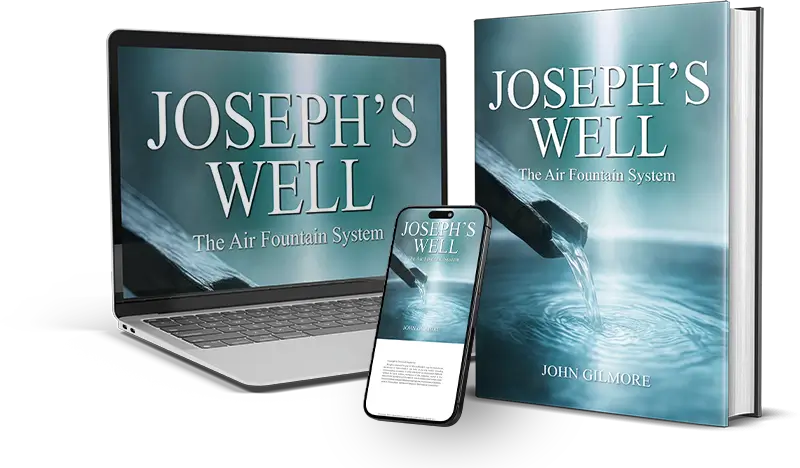
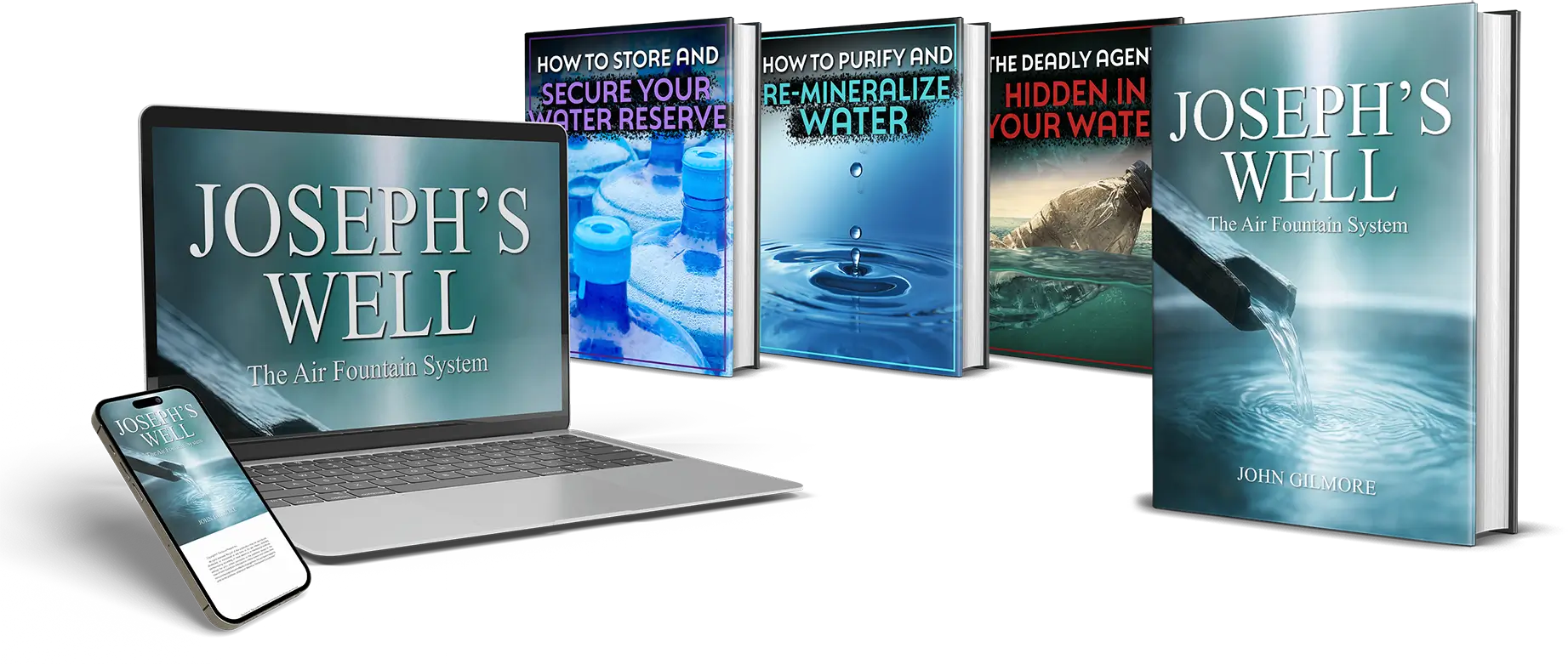
Joseph’s Well is marketed as a DIY guide for building a personal atmospheric water generator with step-by-step instructions, materials sourcing, and power options. The vendor also advertises water-preparedness bonuses.
Those are vendor claims, and performance will vary depending on humidity, temperature, build quality, power use, filter maintenance, and water testing. No DIY setup should be treated as a guaranteed source of potable water without verifying your own results.
If you want to understand what the guide claims to include before buying, you can read the Joseph’s Well review here.
How to Build a Better Household Water Backup Plan
A dehumidifier water generator can be a useful non-potable water-recovery tool. But it should not be the center of your emergency drinking-water plan.
The strongest backup plan has layers. Stored water first. Then a way to filter or disinfect water. Then other local and legal backup sources, such as rainwater collection, a well, hauled water, or a properly designed atmospheric-water system.
The CDC recommends storing at least one gallon of water per person per day for at least three days. Families in hot climates, households with pets, and people with health needs may need more.
- Store emergency drinking water in clean food-grade containers.
- Keep a water filter and a verified treatment method on hand.
- Label non-potable water containers clearly.
- Learn your local emergency-water and boil-water notice procedures.
- Check local rules before installing rainwater or water-storage systems.
- Inspect household leaks, shutoff valves, and existing water equipment.
If you are interested in a DIY water-from-air setup, start by checking your local humidity and dew point. A condensation-based water generator will not perform the same in dry desert air as it does in a humid coastal environment.
For those who prefer a structured DIY route, you can view the Joseph’s Well water-system details. Treat the guide as one possible supplemental preparedness tool, not a replacement for stored water and proper safety practices.
When Should You Avoid Collecting Dehumidifier Water?
There are situations where even non-potable reuse is not worth the risk. If the unit smells musty, has visible mold, has been sitting dirty for months, or drains through questionable plumbing, dump the water and clean the machine first.
You should also be extra cautious if the dehumidifier is operating in a space with smoke, chemical fumes, pest-control products, paint vapors, sewage odors, or heavy mold growth. In those situations, the collected condensate could carry pollutants you do not want around your home or garden.
- Avoid collecting water from a moldy or poorly maintained dehumidifier.
- Avoid reuse if the unit is in a smoking area or chemical-storage space.
- Do not use condensate from a dehumidifier with damaged coils, rusty parts, or unknown leaks.
- Do not store condensate for long periods in warm, open containers.
- Do not use dehumidifier water as a substitute for emergency drinking-water storage.
Sometimes the best move is to keep it simple. If the water source feels questionable, don’t try to outsmart it with wishful thinking.
Use your dehumidifier for what it is good at: reducing indoor moisture. Let your emergency water plan handle drinking water.
Conclusion: Treat Dehumidifier Water as Non-Potable
A dehumidifier water generator can collect a surprising amount of condensate, especially in warm and humid weather. But a normal household dehumidifier is not designed as a drinking-water appliance, and its collected water can become contaminated inside the unit.
The safest default is to treat dehumidifier water as non-potable. Use it for cleaning, toilet flushing, or other tasks where drinking-water quality is not required.
For actual emergency preparedness, begin with stored water, reliable filtration, proper disinfection, and tested backup sources. If you explore an atmospheric water generator, check local humidity, use food-safe materials, maintain the system carefully, and test the output before drinking it.
Water independence is not about finding one magic machine. It is about building smart layers, one practical step at a time.
Sources and Further Reading
- U.S. Environmental Protection Agency: Atmospheric Water Generation Technical Brief
- U.S. Environmental Protection Agency: Private Well Water Guidance
- Centers for Disease Control and Prevention: Making Water Safe in an Emergency
- Centers for Disease Control and Prevention: Emergency Water Storage
- Centers for Disease Control and Prevention: Safe Water Storage
- Joseph’s Well Review