
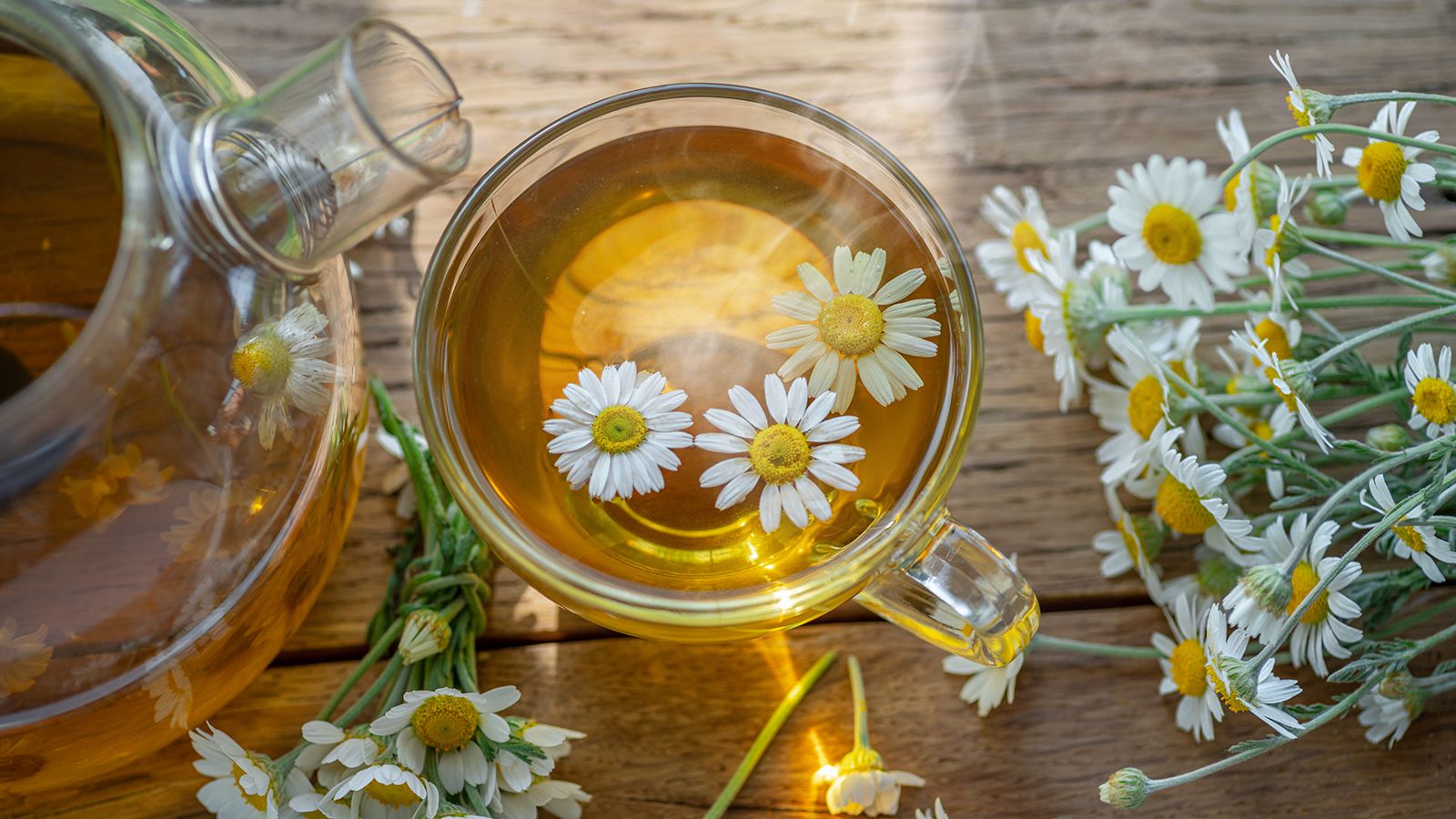
The gentle, apple-like scent of chamomile flowers can turn a small garden corner into a calming herbal apothecary.
One well-tended chamomile patch can provide enough flowers for months of tea, tinctures, and simple home remedies.
Chamomile (primarily Matricaria chamomilla for German chamomile and Chamaemelum nobile for Roman chamomile) is a versatile herb for home herbal medicine gardens.
In this guide, you’ll learn how to grow chamomile for a medicinal garden, including choosing varieties, site selection, planting, care, harvesting, drying, and basic home uses.
Homemade herbal preparations are intended for general wellness and self-care, not as a replacement for medical diagnosis or treatment.
Gardeners who want to build a broader home herb garden may explore the Medicinal Garden Kit, which includes chamomile among its 10 medicinal herb seed varieties.
Why Grow Chamomile in a Medicinal Garden?

Chamomile is a cornerstone herb for home herbal medicine and tea gardens because the flowers are easy to work with and very forgiving.
The plant’s appeal goes beyond herbal preparation. You get delicate, daisy-like flowers with a soothing aroma, a long flowering period when harvested regularly, and suitability for raised beds, borders, containers, and lawn alternatives.
It’s also a friendly option for beginner gardeners. I’ve seen people kill succulents but keep chamomile alive without trying.
Growing your own chamomile gives you greater control over how it is grown. You get fresh access to flowers during the season and the ability to harvest and dry flowers in small batches.
There’s also a more meaningful connection between garden and daily wellness routine. It feels good to turn something you grew into a simple cup of tea.
German chamomile (Matricaria chamomilla) is an annual, taller, and often grown for tea and medicinal flower harvests. Roman chamomile (Chamaemelum nobile) is a low-growing perennial, often used as a ground cover or “chamomile lawn.”
Chamomile is included in the Medicinal Garden Kit, alongside herbs such as calendula, lavender, lemon balm, echinacea, yarrow, feverfew, chicory, marshmallow, California poppy, and evening primrose.
For a closer look at the seed collection, guide, and included herbs, read our full Medicinal Garden Kit review.
Choose the Right Chamomile Variety and Growing Space

Select German chamomile for a traditional medicinal tea garden, or Roman chamomile for a low-growing perennial ground cover. Open-pollinated or non-GMO seeds are a good choice if that matters to your garden philosophy.
Ideal site conditions include full sun to light partial shade. Loose, moderately fertile, well-draining soil is best.
A location with good airflow reduces moisture-related plant issues. I learned this after my first patch got powdery mildew from being too crowded.
For container growing, use a pot with drainage holes. Choose a container roughly 8–12 inches deep for German chamomile; shallower containers can work for Roman chamomile. Use quality potting mix rather than dense garden soil.
Give each plant enough room to branch and receive airflow. Space German chamomile plants around 8–12 inches apart. Allow Roman chamomile to spread as a ground cover, but keep it contained if desired.
Plant chamomile along raised-bed edges or in dedicated herb beds. Add it near other calming herbs like lemon balm, lavender, and mint. Grow a dedicated “tea and remedy” bed with chamomile, calendula, and lemon balm.
The Medicinal Garden Kit provides seeds for a multi-herb “backyard pharmacy” concept and includes a guide with planting, harvesting, and remedy-making information.
- Choose German chamomile for tea gardens or Roman chamomile for ground cover.
- Plant in full sun to light partial shade with well-draining, fertile soil.
- Use containers 8–12 inches deep with quality potting mix for best results.
- Space German chamomile 8–12 inches apart; allow Roman chamomile to spread.
- Plan a dedicated tea and remedy bed with complementary herbs like lemon balm and calendula.
How to Plant Chamomile Seeds or Starts Successfully

Sow seeds directly outdoors after major frost risk has passed for German chamomile. Start seeds indoors several weeks before the last frost for an earlier display. Roman chamomile can be planted as divisions or starts in spring or early fall.
For direct-sowing German chamomile, loosen and level the soil. Sow seeds on the surface or barely cover them, as they need light to germinate. [1] Water gently after planting. Keep the soil lightly moist until seedlings emerge.
For indoor seed-starting, use seed-starting mix and small pots or cell trays. Place seeds in a bright window or under grow lights. Harden seedlings off before transplanting outdoors.
For transplanting nursery starts or divisions, dig a hole slightly larger than the root ball. Place the plant at the same soil level as in its pot. Water in well and mulch lightly.
Once seedlings are established, thin them to prevent crowding. Healthy spacing leads to stronger plants and easier harvesting.
Avoid overwatering. Do not bury seeds too deeply. Plant in loose soil rather than compacted ground. Label varieties and planting dates.
Burying chamomile seeds too deeply can reduce germination rates. I learned that the hard way when my first batch barely sprouted.
Gardeners beginning a larger medicinal herb bed can find chamomile seed packets within the Medicinal Garden Kit’s 10-herb assortment.
- Sow after frost risk has passed or start indoors 4–6 weeks early.
- Plant seeds on surface or barely cover; they need light to germinate.
- Keep soil lightly moist until germination, then thin seedlings.
- Space German chamomile 8–12 inches apart for good airflow and healthy growth.
- Label varieties and planting dates to track what works best.
Chamomile Plant Care: Watering, Feeding, and Maintenance

Chamomile is relatively low-maintenance once established. Water deeply when the top layer of soil begins to dry. Keep young plants consistently moist but not soggy.
Water at the soil line rather than constantly wetting foliage. This helps reduce issues like powdery mildew.
Avoid excessive nitrogen, which may encourage leafy growth over flowers. Use compost or a light balanced organic fertilizer if soil is poor. Do not overfeed plants grown specifically for abundant flowers.
Deadheading and trimming are key tasks. Deadhead spent flowers to encourage continued blooming (especially for German chamomile). Trim Roman chamomile lightly after flowering to maintain a tidy ground cover.
Remove any diseased or damaged foliage promptly. I wish I’d done this sooner; my plants got pretty wild.
Chamomile often performs best in mild spring and fall weather. It may slow down in intense summer heat. Mulch lightly to help retain soil moisture and moderate temperature.
Watch for aphids, powdery mildew, slugs, and crowded growth. Improve airflow and remove damaged foliage promptly. Use gentle, garden-appropriate pest management methods rather than applying harsh chemicals to flowers intended for tea and remedies.
Chamomile can add fragrance and pollinator appeal to a diverse herb garden, while the Medicinal Garden Kit also features pollinator-friendly herbs such as yarrow, lavender, lemon balm, and echinacea.
- Water deeply when top soil is dry; keep young plants evenly moist.
- Avoid heavy nitrogen feeds; use compost or light organic fertilizer if needed.
- Deadhead spent flowers to encourage continued blooming.
- Provide good airflow and remove damaged leaves to prevent mildew.
- Use gentle pest control methods on flowers meant for tea and remedies.
When and How to Harvest Chamomile Flowers for Remedies

Chamomile flower heads are commonly harvested for tea, infusions, and simple home remedies. Pick flowers when fully open but before petals start to drop. Harvest after morning dew has dried.
Choose a dry day whenever possible. Avoid collecting flowers that are browning, damaged, or affected by pests.
Snip or pinch off individual flower heads with a small amount of stem. Use clean scissors, pruners, or fingers. Place flowers in a clean basket, tray, or paper bag.
Regular picking encourages more blooms. Small, frequent harvests are easier to dry and process.
Clean harvesting matters for remedies. Dirt, moisture, and damaged plant material can reduce the quality of the final dried herb. Dry plant material is generally preferred for tea and tinctures because water can contribute to spoilage.
Gather fully open, healthy flowers. Remove insects and visibly damaged material. Do not wash flowers unless absolutely necessary. Dry thoroughly before storing or using in remedies.
Readers wanting an overview of the kit’s chamomile and companion herbs can visit the Medicinal Garden Kit review.
- Harvest fully open flowers on dry days after dew has dried.
- Use clean scissors to snip individual flower heads with a bit of stem.
- Pick regularly to encourage more blooms and easier drying.
- Remove insects and damaged material; avoid washing unless necessary.
- Dry flowers thoroughly before storing or using in remedies.
How to Dry Chamomile Flowers for Tea and Home Remedies

Drying chamomile is a crucial step for tea and home remedies. It helps reduce excess moisture. It allows gardeners to preserve a seasonal harvest. It makes it easier to prepare tea and simple remedies year-round.
For air-drying, spread flower heads in a single layer on a clean screen, rack, or paper-lined tray. Keep them in a warm, dry, shaded area with good airflow. Turn flowers occasionally for even drying.
For dehydrator use, set the lowest suitable setting for herbs and flowers. Check frequently to avoid overheating or browning delicate petals.
Flower heads are dry enough when they feel crisp and papery. The base is dry rather than soft or flexible. There is no sign of trapped moisture.
Store dried chamomile in an airtight glass jar. Keep it away from heat, humidity, and direct sunlight. Label the jar with the herb name and harvest date.
If flowers smell musty, look discolored, or show mold, discard them. A well-planned medicinal herb garden lets gardeners rotate through harvests of chamomile, lemon balm, lavender, yarrow, and other herbs across the growing season.
- Air-dry flowers in a single layer in a warm, dry, shaded spot.
- Turn flowers occasionally for even drying and good airflow.
- Use lowest dehydrator setting; check often to avoid overheating.
- Store dried flowers in airtight glass jars away from heat and light.
- Discard any flowers that smell musty or show signs of mold.
Simple Chamomile Preparations for a Home Apothecary

Chamomile is a versatile herb for simple home preparations like tea, infusions, and tinctures. You’ll need fresh or dried chamomile flowers, a clean teapot, mug, or infuser, and hot (not boiling) water for best flavor.
For the basic tea-making method, use 1–2 teaspoons of dried flowers or a small handful of fresh flowers per cup. Pour hot water over the flowers.
Steep for 5–10 minutes, depending on desired strength. Strain and enjoy plain or with a touch of honey. I like mine with a bit of honey in the evening.
For simple infusion and tincture ideas, try stronger infusions for use as a hair rinse or skin soothing wash. Alcohol-based tinctures work for long-term storage (following safe, standard ratios).
Use only dry flowers for storage and blends. Make small batches initially. Smell and inspect dried flowers before use.
Discard flowers that smell musty or show signs of contamination. Patch-test new ingredients if using in skin-care projects.
Avoid using herbs if you have known plant allergies (especially to Asteraceae family plants); consult a qualified healthcare professional for health concerns. Keep dried herbs away from moisture to help preserve quality.
The product’s included Herbal Medicinal Guide is promoted as covering methods for turning its 10 herbs into preparations such as teas, infusions, tinctures, oils, salves, and poultices.
- Use 1–2 teaspoons dried flowers or a small handful of fresh flowers per cup.
- Pour hot (not boiling) water over flowers and steep for 5–10 minutes.
- Strain and enjoy plain or with honey to taste.
- Try stronger infusions for hair rinses or skin soothing washes.
- Store dried flowers in airtight containers away from moisture and light.
Build a Backyard Herbal Medicine Garden with Chamomile

Expand from chamomile to a broader herbal-garden strategy for readers interested in long-term DIY wellness projects. Consider complementary herbs for a medicine-focused garden.
Chamomile for calming teas and simple remedies. Lemon balm for citrusy, soothing infusions. Lavender for aromatic blends and relaxation. Calendula for infused oils and skin-care projects. Yarrow and echinacea for traditional herbal preparations.
Start with one or two easy plants. Add new herbs as confidence grows. Track planting, harvest, drying, and preparation dates in a garden journal.
Use windowsill pots for small starts. Try patio containers for renters. Raised beds work well for easier maintenance. Border planting creates a decorative but productive garden.
The garden becomes a renewable source of flowers and leaves. Harvesting can become part of a calming outdoor routine. Excess dried herbs can be stored for later projects or homemade gifts.
The Medicinal Garden Kit includes chamomile and nine other medicinal-herb seed types, plus a guide presented as covering cultivation and home preparations.
See whether the collection suits your garden goals in this detailed Medicinal Garden Kit review.
- Start with easy herbs like chamomile, lemon balm, and lavender.
- Track planting and harvest dates in a simple garden journal.
- Use containers, raised beds, or border plantings to fit your space.
- Store excess dried herbs for future teas and homemade gifts.
- Consider curated seed kits for a diverse medicinal herb garden.
Conclusion
Learning how to grow chamomile for a medicinal garden begins with simple gardening fundamentals: good soil, sun, moderate watering, regular harvesting, and proper drying.
Choose the right chamomile variety, plant seeds or starts correctly, encourage flowers through proper care and deadheading, harvest clean healthy blooms, dry flowers thoroughly, and brew simple teas and prepare basic home remedies.
You do not need a huge homestead or years of gardening experience. A sunny windowsill, a small pot, and a few fragrant flowers can be enough to begin.
Readers ready to create a larger medicinal herb garden can explore the Medicinal Garden Kit and read the complete Medicinal Garden Kit review before choosing their seeds.
Sources and Further Reading
- Medicinal Garden Kit – Product page with seed varieties and guide details.
- Medicinal Garden Kit Review – In-depth review of the kit’s contents and features.
- Matricaria chamomilla – Wikipedia – Botanical information and traditional uses.
- Mount Sinai Health Library – Chamomile – Overview of chamomile’s traditional herbal uses.
- University of Minnesota Extension – Growing Chamomile – Practical growing tips for home gardeners.