
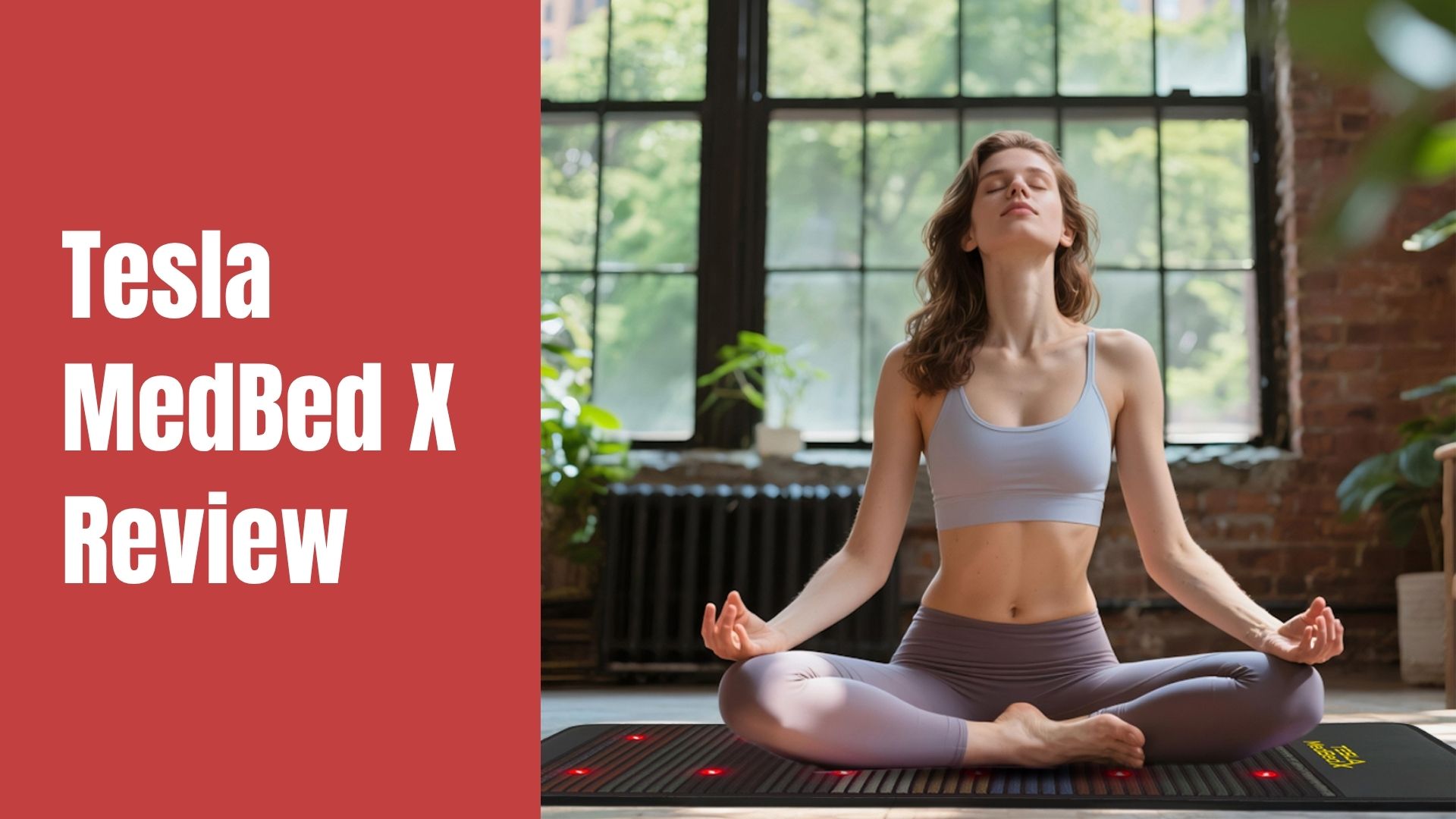
There is nothing quite like being tired all day, then suddenly wide awake the minute your head touches the pillow. I have had nights where my body felt exhausted but my brain was basically hosting a loud little meeting at 1 a.m.
That is why PEMF therapy for sleep gets so much attention. A pulsed electromagnetic field (PEMF) mat may feel calming as part of a screen-free bedtime routine, but it is not a proven cure for insomnia—and the research on sleep is still early. A 2026 randomized, sham-controlled trial found modest improvements in sleep satisfaction and restfulness, while global sleep-quality and sleep-continuity results did not significantly differ between active and sham treatment. [Study summary]
This guide explains what PEMF may and may not do before bed, how to use a mat cautiously, and when a sleep clinician is the better next step.
What Is PEMF Therapy for Sleep?

PEMF stands for pulsed electromagnetic field. A PEMF device produces controlled, changing magnetic fields; consumer mats are often marketed for relaxation, recovery, and general wellness rather than for diagnosing or treating a sleep disorder.
Here is the distinction I wish more product pages made clear: using a mat to create a quieter, more deliberate wind-down routine is one thing. Claiming it will fix chronic insomnia, sleep apnea, anxiety, depression, or any medical condition is another thing entirely.
A 2026 review of physical-factor therapies for insomnia describes PEMF research as promising but part of an emerging evidence base; reported studies showed improvements in sleep or insomnia questionnaires and were generally well tolerated, yet study designs and devices differ substantially. [PMC narrative review]
So, can PEMF therapy help you relax at night? Maybe. Some people experience the mat as a cue to lie down, breathe, stop scrolling, and take 15 quiet minutes. Those routine changes alone can matter a lot, which is why it is smart not to credit every better night exclusively to the device.
- PEMF uses pulsed magnetic fields; it is not the same as a heating pad or a medical sleep test.
- Consumer PEMF mats are wellness tools, not approved treatments for insomnia or sleep apnea.
- Research on sleep is preliminary and relies heavily on self-reported outcomes.
- A calming routine may be part of any benefit a user notices.
My practical takeaway is simple: think of PEMF as an optional relaxation tool, not a replacement for evidence-based sleep care. That framing keeps expectations realistic and prevents a pricey mat from becoming another thing you feel bad about at 2 a.m.
What Research Says About Sleep Quality
The most honest answer is that the results are interesting, but not final. In a 2026 remote, randomized, double-blind, placebo-controlled trial, 217 adults with sleep complaints used active pulsed magnetic therapy or a sham application for three weeks. Both groups improved over time, and the active group had greater gains in subjective sleep satisfaction and restfulness, especially among people with more severe baseline symptoms. [Randomized trial]
However, the same trial did not find a statistically significant between-group difference in the global Pittsburgh Sleep Quality Index score, and sleep-continuity measures improved similarly in both groups. That matters. It suggests a modest subjective benefit may exist, but it does not prove that PEMF reliably improves every aspect of sleep or works for everyone.
A separate evidence appraisal of a 153-person, four-week sham-controlled insomnia study rated the evidence “C,” noting promising patient-reported results but limitations including manufacturer funding, a relatively short duration, and no objective treatment-effect measurement such as actigraphy or polysomnography. [Independent evidence appraisal]
This is where I had to adjust my own expectations. I love a good wellness experiment, but “I fell asleep faster twice this week” is not the same thing as proving a device has treated insomnia. Both things can be true: a routine can feel helpful, and the science can still be developing.
- A 2026 trial found modest improvements in restfulness and sleep satisfaction beyond sham.
- Global sleep quality and sleep continuity were not significantly better than sham in that trial.
- Many studies use self-reported sleep scales rather than objective sleep-lab measures.
- Evidence is not strong enough to present a PEMF mat as a treatment for chronic insomnia.
For people with occasional restless nights, a mat may be worth considering as one low-effort part of a broader bedtime plan. For persistent insomnia, loud snoring, breathing pauses, severe daytime sleepiness, or sleep problems that affect work and safety, skip the guesswork and speak with a qualified clinician.
How PEMF May Support a Wind-Down Routine
Most plausible “PEMF for sleep” benefits are not about knocking you out like a sedative. They are about giving your nervous system a predictable, low-stimulation transition between the busy part of your day and bedtime.
Picture the difference between ending the night by doom-scrolling under bright light versus lying quietly for 15 minutes with your phone in another room. The first option keeps your attention switched on. The second gives your body a chance to downshift, even if you do not feel instantly sleepy.
Sleep experts consistently recommend a regular schedule, a cool and quiet bedroom, limiting late-day caffeine, and winding down before bed. The U.S. National Heart, Lung, and Blood Institute recommends keeping a consistent sleep schedule, avoiding stimulants near bedtime, and creating a sleep-friendly environment. [Healthy sleep habits]
If a PEMF mat helps you follow those basics, great. I would build the habit around the things with the strongest evidence first, then make the mat a pleasant add-on rather than the star of the show.
- Use the session as a phone-free transition, not as another screen-time activity.
- Pair it with low-stimulation habits such as gentle breathing, reading, or a short journal entry.
- Keep the bedroom dark, quiet, and comfortably cool after the session.
- Do not use a wellness device to postpone getting help for ongoing insomnia symptoms.
For example, my simple version would be: finish the kitchen cleanup, set tomorrow’s coffee stuff out, put the phone on charge outside the bedroom, then use a low-intensity session while reading a few pages of something boring-ish. Nothing fancy. But it is repeatable, and repeatable beats perfect.
If you are exploring a combined wellness mat, you can read my Tesla MedBed X review for a product-focused discussion of its features, use considerations, and limitations. Treat any claimed wellness benefit as a claim to evaluate—not a guarantee.
How to Use a PEMF Mat at Night
Start conservatively. I made the classic mistake with wellness tools: I assumed more time and more intensity would equal more relaxation. Nope. For a bedtime experiment, gentle and boring is usually the goal.
Use the manufacturer’s instructions as your first reference, particularly for session length, intensity, placement, and safety warnings. Try a short session earlier in the evening for several nights before deciding whether the routine feels relaxing, neutral, or too stimulating for you.
Keep a tiny sleep note for one or two weeks: session time, duration, caffeine after lunch, alcohol, exercise, bedtime, and how rested you felt the next day. This is not a clinical study, obviously, but it prevents you from confusing coincidence with a true pattern.
Do not sleep overnight on a PEMF mat unless the manufacturer specifically states that your model is designed and cleared for that use. A longer session is not automatically a better session, and adding heat can make hydration, comfort, and overheating more relevant.
- Begin with the lowest practical setting and a short manufacturer-recommended session.
- Use it before bed rather than treating it as an all-night sleep device unless the manufacturer explicitly permits overnight use.
- Keep a simple log so you can notice patterns without relying on memory.
- Stop if you feel dizzy, uncomfortable, overheated, wired, or unwell.
A practical starter routine might be 10 to 20 quiet minutes, followed by dim lights and your normal bedtime routine. If the mat includes infrared heat, choose a comfortable temperature, drink water as needed, and leave enough time to cool down before getting into bed.
If you want to compare the product specifications, pricing, and seller information before making a decision, you can review Tesla MedBed X availability here. This is an affiliate link, which means the publisher may earn a commission at no extra cost to you.
Safety, Contraindications, and Better Next Steps
This part is not optional: PEMF is not appropriate for everyone. People with pacemakers, implantable cardioverter-defibrillators (ICDs), cochlear implants, insulin pumps, neurostimulators, or other implanted electronic medical devices should not use PEMF unless their treating specialist and the device manufacturer explicitly say it is safe.
Medtronic’s electromagnetic compatibility guidance lists PEMF therapy products and magnetic mattress pads or pillows among products not recommended for people with its implantable cardiac devices. [Medtronic electromagnetic compatibility guidance] Pregnancy is also a situation where safety data are insufficient, so avoid PEMF unless your obstetric clinician specifically directs otherwise.
Talk with a clinician before using a PEMF device if you have a serious heart condition, unexplained symptoms, seizure concerns, recent surgery, or take medications that affect alertness or blood pressure. And if you are dealing with possible sleep apnea, the priority is an evaluation—not a relaxation device.
The U.S. Food and Drug Administration explains that devices are regulated according to their intended use and risk. A wellness product’s marketing should not be confused with FDA approval to diagnose, treat, cure, or prevent a disease. [FDA device marketing overview]
- Do not use PEMF with a pacemaker, ICD, or another implanted electronic medical device without explicit specialist clearance.
- Avoid use during pregnancy unless your obstetric clinician specifically approves it.
- Seek clinical evaluation for persistent insomnia, breathing pauses, chest symptoms, or severe daytime fatigue.
- Use wellness products for relaxation, not as a substitute for diagnosis or medical treatment.
If you do not have contraindications and simply want a comfortable at-home wellness tool, examine product instructions, the seller’s return policy, the warranty, and any claims with a skeptical eye. You can also check the Tesla MedBed X product page after reviewing its safety information and deciding whether a mat fits your routine.
Final Thoughts on PEMF Therapy for Sleep
PEMF therapy for sleep may help some people feel more relaxed or satisfied with their rest, especially when it replaces late-night screen time with a steady wind-down ritual. But current evidence does not show that a consumer PEMF mat reliably treats insomnia or transforms sleep for everyone.
Start with the fundamentals: a consistent schedule, a dark and cool bedroom, less late caffeine, and a device-free buffer before bed. If you add PEMF, start low, follow the instructions, track how you respond, and stop if it does not feel right.
Most importantly, do not use PEMF if you have an implanted electronic device, and get medical advice for ongoing sleep trouble. A good wellness routine should make your evenings calmer—not make your health decisions more complicated.
Sources and Further Reading
- Efficacy and Safety of Pulsed Magnetic Therapy in Sleep-Related Disorders: A Remote, Randomized, Double-Blind, Placebo-Controlled Trial
- Physical Factor Therapies for Insomnia: A Narrative Review — PubMed Central
- Healthy Sleep Habits — National Heart, Lung, and Blood Institute
- Electromagnetic Compatibility Guide — Medtronic
- How to Study and Market Your Device — U.S. Food and Drug Administration