
Ever dreamed of walking outside, clipping a few fragrant leaves or flowers, and making a simple cup of herbal tea from something you grew yourself?
That is the charm of a backyard pharmacy. It does not have to be huge, fancy, or packed with dozens of plants either.
The best medicinal herb seed kits make the first step easier by giving you a small collection of herbs instead of sending you down a rabbit hole of individual seed packets. Trust me, I’ve done the “buy 19 packets, plant none of them” thing. Not ideal.
This guide compares what matters when choosing a medicinal herb garden starter kit, including organic, non-GMO, heirloom, and container-friendly options. It focuses on gardening and seed selection, not medical treatment advice.
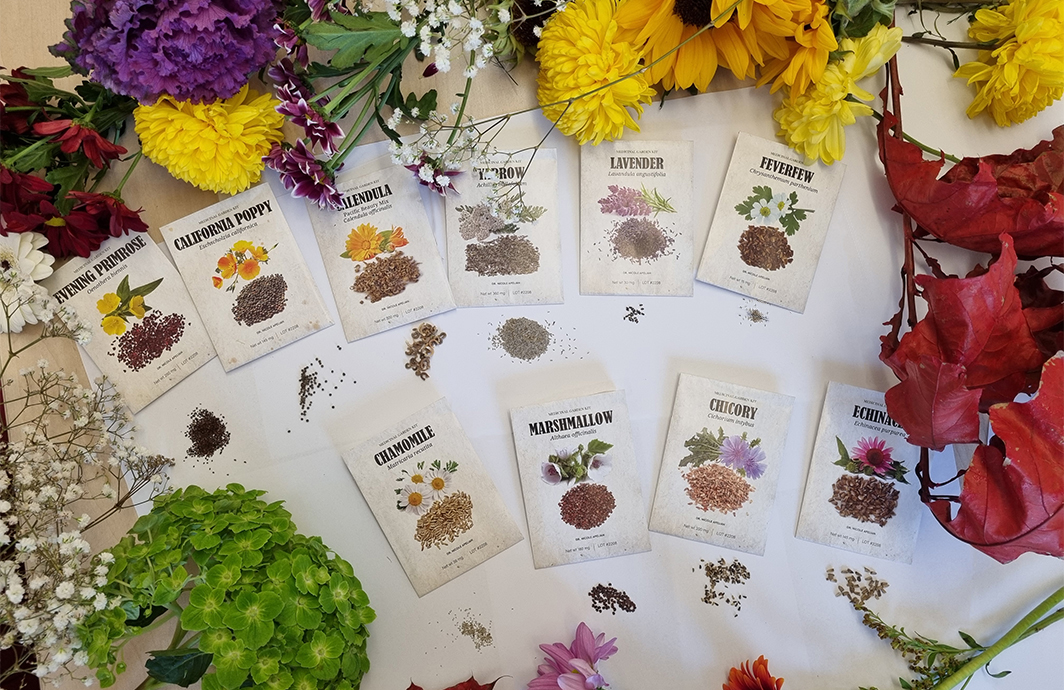
One popular choice is the Medicinal Garden Kit, which includes 10 medicinal herb varieties and describes the seeds as non-GMO.
Why Choose a Medicinal Herb Seed Kit Instead of Buying Seeds Separately?
A medicinal herb seed kit is basically a shortcut through the confusing part of starting an herb garden. Instead of comparing 10 different seed companies, plant habits, germination notes, and shipping costs, you get a curated bundle in one box.
That convenience matters more than people think. A beginner can lose a whole season simply by choosing herbs that need very different conditions, then trying to grow them all in the same tiny pot. Been there, and yep, the plants looked annoyed.
Most good herb seed kits include a blend of flowers, leafy herbs, and deeper-rooted plants. That gives you options for tea gardens, aromatic bundles, dried herbs, simple infused oils, and decorative pollinator-friendly beds.
There can be a cost benefit too. Buying 10 individual seed packets sometimes makes sense if you know exactly what you want, but a kit is often easier for gardeners who need a starting point.
The catch is that kits are less customizable. You may receive one or two herbs that are not perfect for your climate, your amount of sun, or your interest in growing only culinary herbs.
Still, the best medicinal herb seed kits take the guesswork out of building a balanced backyard pharmacy. The Medicinal Garden Kit, for example, is presented as a collection of 10 herb varieties with cultivation and home-preparation guidance.
- Seed kits save time compared with ordering many separate packets.
- Curated herb selections can be easier for beginner gardeners.
- Most kits include a mix of flowers, leaves, and roots for diverse harvests.
- Kits may offer better overall value than purchasing many packets separately.
- Always check whether the included herbs fit your climate, space, and goals.
What Makes a High-Quality Medicinal Herb Seed Kit?

A pretty package is nice, but it should not be the reason you buy a seed kit. The useful details are usually found in the fine print: seed type, species names, seed count, grow instructions, planting depth, and the company’s information about sourcing.
First, look at the actual herbs included. A useful medicinal herb garden starter kit should have plants that you can realistically grow, not just impressive-sounding names.
For many home gardeners, a balanced kit includes familiar choices such as calendula, chamomile, lavender, lemon balm, echinacea, yarrow, feverfew, chicory, marshmallow, evening primrose, or California poppy. Some are annuals, some are perennials, and each has different space needs.
Second, check labeling. You want common names and botanical names, planting instructions, and ideally a packed-for date or lot information.
Third, consider seed quality claims. Organic, non-GMO, open-pollinated, heirloom, hybrid, and untreated all mean different things. They are not interchangeable, which tripped me up when I first started buying seeds.
Finally, look for helpful extras. A planting guide, seasonal calendar, seed-saving notes, or a clear harvest guide can make a huge difference during the first growing season.
The Medicinal Garden Kit is marketed as non-GMO and includes a guide intended to explain growing, harvesting, and preparing the included herbs. That kind of support can be helpful if you are building your first home herbal garden.
- Check the exact herbs included before purchasing any seed kit.
- Look for botanical names, planting depth, spacing, and germination information.
- Compare seed type claims such as organic, non-GMO, heirloom, and open-pollinated.
- Choose kits with clear labels and fresh seed information.
- Guides, calendars, and harvesting instructions add real beginner value.
Organic Medicinal Herb Seed Kits: What to Know Before You Buy

Organic seed kits appeal to gardeners who want their seed choices to match an organic growing style. In the United States, seeds sold as certified organic are produced under the rules of the USDA National Organic Program. USDA organic standards cover production and handling requirements, though standards and certification systems differ by country.
For a backyard pharmacy, organic seeds can feel like a natural fit. You may be planning to use compost, avoid synthetic pesticides, and keep your growing space as simple as possible.
But here is an important reality check: organic does not automatically mean better germination, bigger plants, or more “potent” herbs. Seed freshness, variety choice, weather, soil drainage, and harvesting habits can matter just as much—sometimes more.
Organic also does not mean completely pesticide-free. Certified growers may use certain approved inputs, so the term is about a regulated production system rather than a promise that nothing was ever used.
When comparing organic medicinal herb seed kits, look for clear certification language. “Organic-style,” “naturally grown,” and “chemical-free” can sound nice but are not the same as certified organic.
Also check whether every packet is organic or whether only part of the collection is. Some mixed kits use organic seeds for common herbs but conventional seeds for harder-to-source varieties.
If certified organic seed is your top priority, it may be worth paying a bit more or building a custom kit from a reputable organic seed supplier. For gardeners who mainly want traditionally bred varieties and a simple bundle, a clear non-GMO kit can still be a sensible option.
- Certified organic seeds are produced under organic farming standards.
- Organic does not automatically mean stronger plants or better germination.
- Check whether all seeds in a kit are certified organic or only selected varieties.
- Read certification wording carefully instead of relying on marketing terms.
- Match the seed type to your own gardening values and budget.
Best Non-GMO Medicinal Herb Seed Kits for Traditional Gardeners

Non-GMO means that a seed was not created through modern genetic engineering. It does not mean the seed was necessarily grown under organic conditions, and it does not automatically mean it is an heirloom.
That distinction is worth remembering. I used to treat “non-GMO” like a catch-all gold star label. It’s not bad, it’s just more specific than that.
Traditional crossing, selection, and hybrid breeding are not the same as genetic engineering. A non-GMO seed can still be a modern hybrid developed for flower size, disease resistance, uniform growth, or earlier harvests.
For most common medicinal herbs, GMO versions are not typically what home gardeners encounter. Calendula, chamomile, lemon balm, lavender, yarrow, and echinacea are generally sold through normal garden seed channels as conventionally bred, organic, open-pollinated, heirloom, or hybrid varieties.
So why choose non-GMO herb seed kits? For many gardeners, it comes down to values, supply-chain transparency, and a preference for traditionally bred plants.
The best non-GMO medicinal herb seed kits clearly state the claim, identify each herb, and provide growing guidance. A company should not make you dig around for basic information like planting depth, days to germination, or light requirements.
The Medicinal Garden Kit seed collection is positioned as a non-GMO kit with 10 medicinal herb varieties. The product page also promotes an included guide for planting, harvesting, and making home preparations from the herbs.
- Non-GMO means seeds are not made using modern genetic engineering.
- Non-GMO seeds can still be conventional, organic, hybrid, or open-pollinated.
- Most common medicinal garden herbs are not typical GMO home-garden crops.
- Look for transparent sourcing and clear growing instructions.
- Choose non-GMO kits if traditional breeding matters to you.
Heirloom and Open-Pollinated Herb Kits for Seed Saving

If saving seeds is part of your dream, look for heirloom or open-pollinated varieties. Open-pollinated plants are pollinated naturally by wind, insects, or other natural means, and they can grow reasonably true to type when they are properly isolated.
Heirloom is usually used for an open-pollinated variety with a long history of cultivation. There is not one universal definition for the exact age of an heirloom, though many gardeners use 50 years or more as a rough rule.
For a medicinal herb garden, seed saving can be deeply satisfying. Calendula, chamomile, yarrow, and some other herbs can produce seeds you collect, dry, label, and sow next season.
But it takes a little planning. You need to know whether a plant cross-pollinates with nearby varieties, when its seed heads are ready, and how long the saved seeds stay viable.
One easy beginner win is calendula. Let a few flower heads dry on the plant, collect the curved seeds once they are dry, and store them in a labeled envelope somewhere cool and dry.
Do not assume every seed from every kit will be perfect for saving. F1 hybrids may produce seeds, but those offspring can vary from the parent plant. That is not a failure; it is just how hybrid genetics work.
Heirloom and open-pollinated kits are a strong choice for gardeners who want a more self-sustaining home apothecary garden. Still, heirloom does not guarantee better medicinal quality. Plant health, correct identification, harvesting stage, and storage are more important than a label alone.
- Open-pollinated plants can grow true to type when properly isolated.
- Heirloom seeds are generally older, stable, open-pollinated varieties.
- Calendula and chamomile are approachable herbs for beginner seed saving.
- F1 hybrid seeds may not produce plants identical to the parent.
- Use labels and harvest dates when storing saved seeds.
Medicinal Herb Seed Kits for Small Spaces and Containers

You do not need a huge rural garden to grow useful herbs. A bright balcony, patio, front step, or sunny windowsill can support a surprisingly good tea garden.
For small spaces, start with herbs that do well in containers: lemon balm, chamomile, calendula, lavender, thyme, and mint. Mint is especially happy in a pot—which is good, because it can spread like it owns the place when planted in open ground.
Choose containers with drainage holes. A pot 8 to 12 inches deep works for many compact herbs, while larger perennials such as echinacea need a deeper container or a permanent place in a garden bed.
Container gardens do need more attention. Pots dry out faster than in-ground beds, especially on warm, breezy patios.
I like the “lift test.” If a container feels unusually light when you lift one side, it probably needs water. Simple, not fancy, but it works.
When using a broad medicinal herb seed kit in a small space, do not feel pressured to plant every packet at once. Pick three or four herbs that match your sunlight and grow the remaining seeds later, or share them with a garden friend.
The Medicinal Garden Kit can be adapted for container gardening by prioritizing smaller herbs like chamomile, lemon balm, lavender, and calendula. Larger or deep-rooted varieties may do better in a raised bed or in-ground plot.
- Balconies, patios, and windowsills can support small medicinal herb gardens.
- Choose drainage-friendly containers for every herb.
- Try lemon balm, chamomile, calendula, lavender, and mint in pots.
- Plant only a few varieties at first instead of overcrowding containers.
- Save remaining seeds for another season or share them with friends.
How to Compare Price, Seed Count, and Real Value

Price alone does not tell you whether a herb seed kit is a good deal. A cheap kit can be disappointing if it has tiny quantities, vague labels, old seed, or no usable planting information.
Start with price per variety. Divide the kit price by the number of herb types, then compare the seed quantity per herb if that information is available.
Next, check the included extras. A detailed growing guide, planting calendar, harvest notes, or a clear seed packet system may save a beginner plenty of money in wasted seeds.
Read reviews carefully, but do it with a little skepticism. A complaint about poor germination may be caused by old seed, but it can also happen because the seeds were planted too deeply, left dry, or started at the wrong temperature.
Look for patterns instead. If many reviewers mention unclear directions, damaged packaging, mislabeled varieties, or consistently low germination, that is useful information.
Do not forget hidden costs. You may still need potting mix, cell trays, labels, a watering can, containers, compost, and a small storage box for unused seed packets.
The Medicinal Garden Kit’s product page describes 4,818 non-GMO seeds across 10 medicinal herb varieties, plus an Herbal Medicinal Guide. Compare those details with other kits, along with your actual garden space and the herbs you expect to use.
- Calculate price per herb variety, not only the total kit cost.
- Compare seed counts when companies provide them.
- Detailed guides and clear packets can improve real value.
- Read reviews for patterns, not just one bad or glowing comment.
- Include soil, containers, labels, and tools in your total budget.
What Is Included in the Medicinal Garden Kit?

Among the best medicinal herb seed kits for gardeners who want a wide variety in one package, the Medicinal Garden Kit stands out because it is designed around a full “backyard pharmacy” concept rather than just a basic tea garden.
According to the product page, the kit contains 4,818 non-GMO seeds across 10 medicinal herbs: calendula, chamomile, lavender, lemon balm, echinacea, yarrow, feverfew, chicory, marshmallow, California poppy, and evening primrose.
That is a diverse list. It includes flowering annuals, longer-lived perennials, aromatic leaves, and roots—so this is not a “plant everything in one weekend” kit. It needs a bit of planning, honestly.
For beginners, I would start with the easiest few: calendula, chamomile, lemon balm, and yarrow. They are approachable, visually rewarding, and give you practice with harvesting leaves and flowers.
Echinacea, marshmallow, chicory, and evening primrose may need more patience, space, or longer-term planning. That does not make them bad choices; it just means they are better treated as part of a multi-season garden.
The product page also promotes an included Herbal Medicinal Guide with information on growing, harvesting, and creating teas, infusions, tinctures, oils, salves, and poultices. Remember to use home herbal preparations responsibly and talk with a qualified clinician about health concerns, medications, pregnancy, or known allergies.
For a deeper breakdown of the collection, the seed types, and practical pros and cons, see this detailed Medicinal Garden Kit review.
- The kit includes 10 medicinal herb varieties and 4,818 non-GMO seeds.
- It combines flowers, leafy herbs, roots, annuals, and perennials.
- Calendula, chamomile, lemon balm, and yarrow are approachable beginner picks.
- Deep-rooted and perennial herbs require more long-term planning.
- The included guide covers growing, harvesting, and basic herbal preparations.
How to Start Your Backyard Pharmacy Without Getting Overwhelmed

A backyard pharmacy does not mean you need to use every herb as medicine. Think of it as a garden that gives you flowers, scents, pollinators, tea ingredients, and a chance to learn plant care at your own pace.
Start with a small plan. Choose one sunny area, such as a 4-by-4-foot raised bed, or three medium-size containers.
Pick three herbs that match your goals. For example, grow calendula for bright flowers and infused oil projects, chamomile for tea, and lemon balm for fragrant leafy harvests.
Read each packet before planting. Note seed depth, direct-sow versus indoor-start instructions, sunlight, mature height, and spacing.
One big mistake is treating every seed alike. Chamomile seeds are tiny and may need light or only a very thin covering, while calendula seeds are larger and can be planted deeper. Echinacea often needs patience and sometimes cold stratification, so it should not be judged after a few days.
Keep a garden journal. Write down the sowing date, first sprout date, weather notes, and whether the plant got too much sun or too little water.
Those notes sound boring until next year, when you cannot remember why your lavender failed or why your lemon balm went wild. Then they are gold.
- Begin with one bed or a few containers instead of a huge garden.
- Choose three easy herbs that match your goals and sunlight.
- Read individual planting instructions before sowing.
- Do not treat tiny seeds and large seeds the same way.
- Keep simple notes on sowing, germination, weather, and harvests.
Common Mistakes When Buying Medicinal Herb Seed Kits

The first mistake is buying a giant kit without checking whether your garden has enough sun. Many medicinal herbs do best in full sun, while a few, like lemon balm, tolerate partial shade.
The second mistake is starting every packet at the same time. That sounds organized, but it is usually chaos in a seed tray.
Some herbs want to be started indoors weeks before the last frost. Others do better direct sown. Some are annuals that bloom quickly, and others are perennials that put more energy into roots during their first year.
Another common problem is planting seeds too deep. Small seeds have limited stored energy, so they may not reach the surface if they are buried too far down.
Do not assume every “medicinal” plant is appropriate for every person or every use. Research the exact plant, use correct identification, and get qualified medical advice for health issues or possible herb-drug interactions.
Finally, avoid storing leftover seeds in a hot shed, humid kitchen, or sunny windowsill. Keep them in a labeled airtight container in a cool, dry place.
A well-written kit guide can reduce frustration, but no kit replaces observing your own growing conditions. Garden success is part instructions and part detective work. It gets easier, promise.
- Do not buy a kit before checking your light, climate, and available space.
- Start seeds according to their individual timing needs.
- Avoid burying tiny seeds too deeply.
- Research herb safety and potential interactions before using plants internally.
- Store extra seeds cool, dry, dark, and clearly labeled.
Conclusion
The best medicinal herb seed kits make it easier to build a beautiful, practical backyard pharmacy without having to choose every plant from scratch.
Look beyond the packaging: compare seed types, herb variety, seed count, growing instructions, climate fit, and the resources included. Organic kits suit gardeners focused on certified growing practices, while non-GMO and open-pollinated kits may fit gardeners who value traditionally bred plants or seed saving.
If you want a broad non-GMO collection with calendula, chamomile, lavender, lemon balm, echinacea, yarrow, and other classic garden herbs, the Medicinal Garden Kit is worth considering. Read the full Medicinal Garden Kit review before you decide whether it fits your climate, space, and plans.
Start small. Grow a few plants well. The rest tends to come together one season at a time.
Sources and Further Reading
- Medicinal Garden Kit – Product information, included seed varieties, and growing guide details.
- Medicinal Garden Kit Review – Detailed overview of the kit’s contents and suitability for home gardeners.
- USDA Organic Standards – Official information on U.S. organic production and handling standards.
- Non-GMO Project – Information on non-GMO verification and labeling.
- University of Minnesota Extension: Growing Herbs – Practical tips for starting and maintaining a home herb garden.